
Specialist LCD/OLED Supplier
|
|






What are the Common Sizes of Sharp Memory LCDs?
Sharp Memory LCDs come in a range of sizes from under 1 inch to over 4 inches, suited for low-power devices like wearables and handheld electronics. Typical sizes include small 1-inch variants for smartwatches and larger 2.7 to 4.4-inch displays for handhelds, all noted for low power consumption an
What Is a Memory LCD Breakout and How Does It Work?
A Memory LCD breakout is a circuit board that features a Sharp Memory LCD display with integrated support components, making it easy for makers to use. It offers ultra-low power consumption, excellent sunlight readability, and fast refresh rates, ideal for battery-powered projects needing an always
What Are the Key Differences Between TFT Display and LCD?
TFT displays are advanced active-matrix LCDs that offer sharper images, faster response times, and wider viewing angles compared to standard passive-matrix LCDs. While all TFTs are LCDs, not all LCDs are TFTs, making TFT technology the superior choice for high-quality displays in modern devices.&nb
What Are the Key Differences Between Memory LCD and E-Ink Displays?
Memory LCD and E-Ink are two popular low-power, sunlight-readable display technologies that serve distinct purposes depending on the needs for refresh rate, power efficiency, and readability. Which display is right for your device depends on use cases such as wearables versus e-readers or static si
What Is a TFT Display and How Does It Work?
TFT stands for Thin Film Transistor, a display technology that uses an individual transistor for every pixel to create sharper, faster, and more colorful images in LCD screens. TFT displays offer enhanced image quality, faster response times, and wider viewing angles, making them a staple in modern
How Does Sharp Memory LCD Technology Work?
Sharp memory LCD technology is a reflective display that integrates memory directly into each pixel, significantly reducing power consumption and enabling always-on high-contrast displays ideal for wearable and IoT devices. Also check: Micro OLED What Is Sharp Memory LCD and How Is It D
What Is a Memory LCD Display and How Does It Work?
Memory LCD displays are ultra-low-power, reflective screens that incorporate memory within each pixel to maintain images with minimal power consumption, making them ideal for portable, outdoor, and battery-operated devices. Also check: Micro OLED How Does a Memory LCD Display Work?
What Is a Color Memory LCD and How Does It Work?
Color Memory LCD is a display technology combining fast refresh rates with ultra-low power use by embedding 1-bit memory in each pixel, enabling image retention without constant refreshing. Designed for vivid color presentation, it is ideal for outdoor and battery-powered devices due to its reflect
What Makes Samsung TFT LCD Displays Unique?
Samsung TFT LCD displays utilize Thin-Film Transistor technology to control pixels individually, providing sharp image quality and reliable performance in various devices. While largely replaced by OLED in premium products, Samsung’s TFT LCDs remain popular in monitors, tablets, and affordabl
Panox Display

Browse Articles by Category
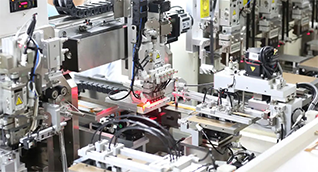
OEM SERVICE
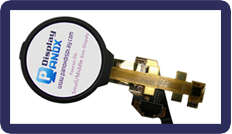
Customized Touch Panel
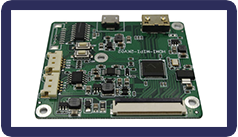
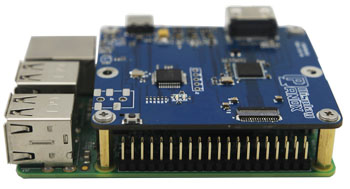
HDMI/Type-C Controller/Driver Board
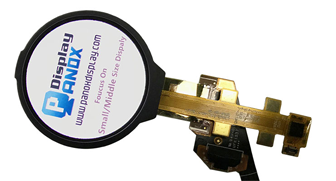
Custmized LCD/OLED
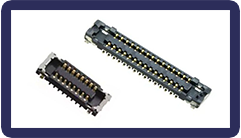
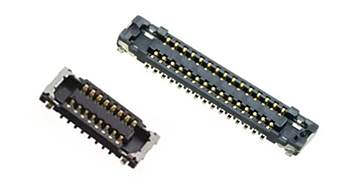
Free Connectors
Find a Display to Fit Your Application
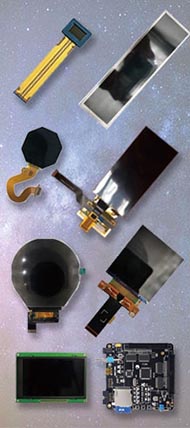
For More OLED/LCD Panels
If our display fit your application, subscrlbe for monthly Insights
Panox Display Professional OLED/LCD Supplier and Manufacturer
- 📍 Shenzhen
- 📞 Phone: 86 755 3396 6409
- 📠 Skype: panoxwesley

If it`s urgent, try to contact
Whatsapp: +86 18665870665
Skype: panoxwesley
QQ: 407417798