
Specialist LCD/OLED Supplier
|
|






What Are the Differences Between FPC, FFC, and Elastomer Strips?
FPC, FFC, and elastomer strips are distinct flexible interconnect technologies used in electronics. FPCs are flexible printed circuit boards with complex circuitry, FFCs are simpler flat flexible cables mainly for basic signal transmission, and elastomer strips are compression connectors used for t
What Is a Folding Monitor and How Does It Work?
A folding monitor is a portable display that can bend or fold along a hinge, allowing for easy transport and flexible usage. This innovation combines OLED or LCD screen technology with a foldable design, enabling users to switch between compact and expanded viewing modes for productivity or enterta
What Defines Leading FocusLCDs Manufacturers and Solutions Today?
FocusLCDs are specialized liquid crystal displays designed with precise optical performance for applications requiring high clarity, color accuracy, and custom functionality. Manufacturers like Panox Display provide tailored solutions combining advanced LCD technologies, quality control, and custom
What Is the Difference Between FFC and FPC Flexible Cable Technologies?
FFC (Flexible Flat Cable) and FPC (Flexible Printed Circuit) are both flexible cable technologies used for electrical connections. FFC consists of simple flat cables with parallel conductors laminated between insulating layers, ideal for basic, cost-effective connections. FPC, however, is a flexibl
What Are Flex Cables and Their Role in the Appliances Industry?
Flex cables, or flexible printed circuits (FPC), are thin, bendable copper circuits laminated on flexible substrates, enabling durable, compact connections in appliances where space constraints and movement occur. They are essential in modern home appliances for connecting control units to displays
What Are the Advantages and Applications of OLED Displays?
OLED displays offer superior image quality, flexibility, and energy efficiency compared to traditional screens. Their thin, lightweight structure and vibrant colors enable diverse applications from smartphones to wearables and automotive displays. Panox Display provides advanced OLED solutions tail
What Is the RGB Interface and How Does It Work?
he RGB interface is a common display interface that transmits red, green, and blue pixel data from a graphic controller to a display panel. It uses separate signal lines for each color channel alongside synchronization and clock signals to render each pixel’s color precisely in real time. Thi
What Are the Essential Insights About E-Paper Display Module and Panel Manufacturers?
E-paper display module and panel manufacturers specialize in producing low-power, high-visibility electronic ink (E-Ink) displays that mimic traditional paper. They combine advanced electrophoretic ink technology, thin-film transistor (TFT) circuits, and protective layering to deliver flexible, dur
What Are the Best E-Paper Display Module Manufacturers for Arduino?
The best e-paper display module manufacturers offer high-quality, customizable, and low-power E-Ink displays compatible with Arduino. Panox Display stands out as a reliable OEM supplier providing a range of standard and custom e-paper modules, controller boards, and kits designed for easy Arduino i
Panox Display

Browse Articles by Category
OEM SERVICE
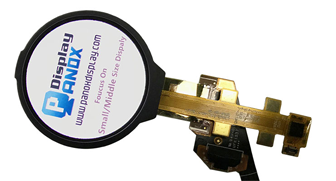
Customized Touch Panel
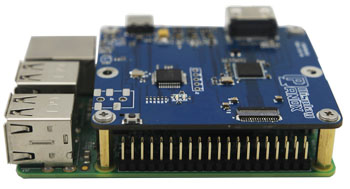
HDMI/Type-C Controller/Driver Board
Custmized LCD/OLED
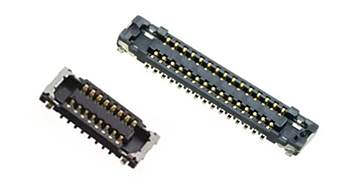
Free Connectors
Find a Display to Fit Your Application
For More OLED/LCD Panels
If our display fit your application, subscrlbe for monthly Insights
Panox Display Professional OLED/LCD Supplier and Manufacturer
- 📍 Shenzhen
- 📞 Phone: 86 755 3396 6409
- 📠 Skype: panoxwesley

If it`s urgent, try to contact
Whatsapp: +86 18665870665
Skype: panoxwesley
QQ: 407417798