
Specialist LCD/OLED Supplier
|
|






What Are Mini OLED Displays and Why Are They Important?
Mini OLED displays are compact, high-resolution screens using Organic Light-Emitting Diode technology, vital for wearables, AR devices, and precision optics. Their superior color, contrast, and low power consumption make them essential components for modern consumer and industrial electronics.
What Should You Know About a 4GB Micro Memory Card?
A 4GB micro memory card is typically a microSDHC card designed for basic storage needs, with speeds often classified as Class 4, offering around 4MB/s write speed. It works well for older devices or simple file storage, but isn’t suited for high-demand tasks like HD video recording. Compatibi
Where Can You Find Reliable 4GB Micro SD Memory Cards Today?
4GB microSD cards remain available primarily for older devices and specific projects, purchasable from online retailers and marketplaces, despite being less common than larger capacity cards. Also check: LCD/OLED Display Panel Manufacturers What Is a 4GB Micro SD Card and What Are
What Makes Sony’s 0.55'' Micro-OLED Display Stand Out?
Sony’s 0.55-inch Micro-OLED, the ECX348E, offers an ultra-high-resolution Full HD image in a compact form with exceptional brightness of up to 5,000 nits, deep contrast, and fast response times, making it ideal for AR/VR devices and near-eye displays requiring immersive, high-quality visuals.
What Is a Transparent Micro OLED Display and How Does It Work?
A transparent micro OLED display is a cutting-edge screen technology combining self-emissive OLED pixels with a transparent substrate, allowing users to see high-resolution images overlaid on a clear background. This innovative display enables dynamic, see-through visuals ideal for near-eye applica
What Is the Price Range for Micro OLED Displays?
Micro OLED display prices vary widely—from as low as $41 to nearly $3,000—depending on size, resolution, brightness, and included hardware. These cutting-edge displays are primarily used in AR/VR devices and electronic viewfinders, with high-end models costing more due to silicon-based
Why Does Apple Use OLED Instead of AMOLED?
Apple uses AMOLED displays but brands them as "OLED" or proprietary names like "Super Retina XDR." The difference is primarily marketing; AMOLED is a subset of OLED technology featuring active-matrix control. Apple prefers the term OLED to emphasize its customized display tuning
What Are the Best 4K OLED Microdisplays for AR and VR Devices?
4K OLED microdisplays deliver ultra-high resolution, brightness, and contrast critical for immersive AR/VR experiences, with leading manufacturers like Sony and BOE offering advanced silicon wafer-based panels. Also check: Micro OLED What Is a 4K OLED Microdisplay and How Does It Work?
What Makes the Sony ECX335S Microdisplay Stand Out?
The Sony ECX335S is a high-resolution 0.71-inch Full HD OLED microdisplay delivering exceptional brightness, contrast, and color accuracy, ideal for AR/VR devices and professional viewfinders. Its compact design integrates driver logic for ease of use, making it one of the best microdisplays for im
Panox Display

Browse Articles by Category
OEM SERVICE
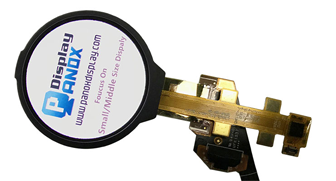
Customized Touch Panel
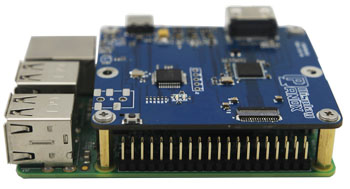
HDMI/Type-C Controller/Driver Board
Custmized LCD/OLED
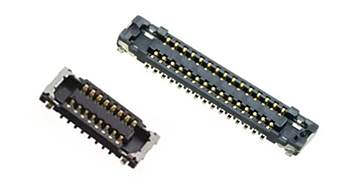
Free Connectors
Find a Display to Fit Your Application
For More OLED/LCD Panels
If our display fit your application, subscrlbe for monthly Insights
Panox Display Professional OLED/LCD Supplier and Manufacturer
- 📍 Shenzhen
- 📞 Phone: 86 755 3396 6409
- 📠 Skype: panoxwesley

If it`s urgent, try to contact
Whatsapp: +86 18665870665
Skype: panoxwesley
QQ: 407417798