
Specialist LCD/OLED Supplier
|
|






What Makes Flexible Display Screens Essential for B2B Manufacturers and Suppliers?
Flexible display screens have revolutionized the manufacturing and supply landscape, offering versatility, durability, and innovative design possibilities for various industries worldwide. Also check: Flexible Display Screen How Are Flexible Display Screens Manufactured in China? F
What Are the Key Benefits of Bendable OLED Displays for Manufacturers?
Bendable OLED displays offer incredible flexibility, ultra-thin profiles, and high image quality, making them ideal for next-gen devices. For manufacturers and suppliers in China, these displays unlock innovative product designs and provide OEMs with customizable options suited for various industri

What Should You Know About Bendable LCD Displays for Manufacturing?
7.8 inch Flexible Full Color OLED 1920x1440 MIPI Bendable LCD displays are revolutionary screens that offer flexibility for innovative applications. They combine advanced technology with durable materials, ideal for manufacturers and OEMs in China aiming to suppl
What Makes AMOLED Displays Essential for Modern Electronics?
AMOLED displays offer vibrant colors, deep blacks, and energy efficiency, making them essential for smartphones, wearables, and IoT devices. Chinese manufacturers like Panox Display lead the market by supplying high-quality AMOLED panel solutions with scalable OEM and wholesale production that meet
What Are OLED Screens and How Are They Manufactured by China Suppliers?
OLED screens are advanced display panels offering vibrant color, high contrast, and energy efficiency. Chinese manufacturers like Panox Display specialize in producing and customizing OLED screens for B2B clients worldwide, providing reliable OEM and wholesale solutions with competitive pricing and
What Does OLED Stand For?
OLED stands for Organic Light Emitting Diode . It is a cutting-edge display technology widely used in screens for smartphones, televisions, wearables, and automotive panels. As a leading China-based manufacturer, Panox Display specializes in supplying premium OLED screens, supporting global B
What Are OLED Displays and Why Are They Essential for Manufacturers?
OLED displays are advanced screen panels known for their vibrant colors and thin, flexible designs. They are crucial for manufacturers seeking high-quality, customizable display solutions, especially in B2B partnerships with trusted Chinese OEM factories like Panox Display. Also check: OLED
What Does OLED Mean and Why Is It Vital for Display Technology?
OLED stands for Organic Light Emitting Diode, a display technology known for its vibrant colors, thin profile, and energy efficiency. It is widely used in smartphones, TVs, wearables, and industrial displays, with many manufacturers in China, like Panox Display, leading OEM and wholesale production
IPS vs OLED: Which Display Technology Is Best for Your Needs?
IPS vs OLED displays offer distinct advantages and drawbacks depending on application, quality demands, and budget. Understanding these differences is crucial for manufacturers, suppliers, and OEMs in China to provide optimal screen solutions for clients worldwide. Also check: OLED What
Panox Display

Browse Articles by Category
OEM SERVICE
Customized Touch Panel
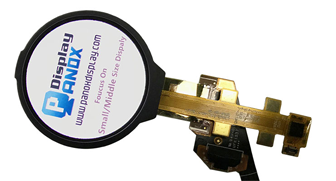
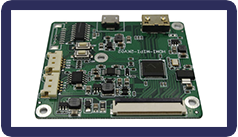
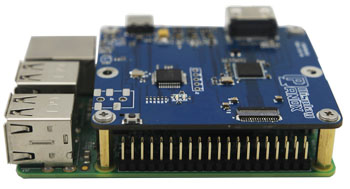
HDMI/Type-C Controller/Driver Board
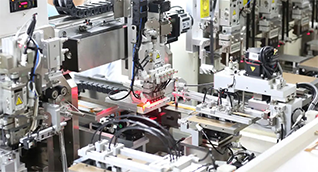
Custmized LCD/OLED
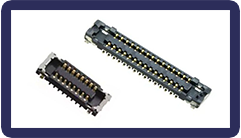
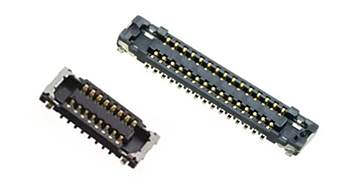
Free Connectors
Find a Display to Fit Your Application
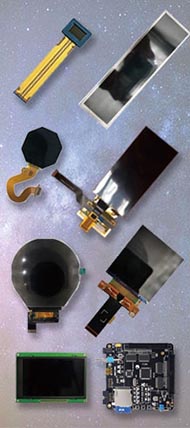
For More OLED/LCD Panels
If our display fit your application, subscrlbe for monthly Insights
Panox Display Professional OLED/LCD Supplier and Manufacturer
- 📍 Shenzhen
- 📞 Phone: 86 755 3396 6409
- 📠 Skype: panoxwesley

If it`s urgent, try to contact
Whatsapp: +86 18665870665
Skype: panoxwesley
QQ: 407417798