
Specialist LCD/OLED Supplier
|
|







How Many MIPI DSI Data Lanes Does a Display Need?
A conventional MIPI DSI display using a forwarded-clock D-PHY interface needs at least one clock lane and one data lane. Because every lane is a differential pair, the minimum physical connection consists of two differential pairs: One clock pair: CLK+ and CLK&m

MIPI CSI vs DSI: CSI-2, DSI and D-PHY Explained
MIPI interfaces are widely used in smartphones, tablets, industrial terminals, embedded computers, automotive electronics, cameras and compact display systems. However, “MIPI” is often treated as the name of one connector or one display interface. In reality, MIP
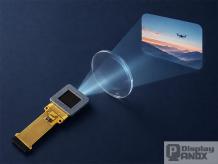
What Is a View Finder?
0.5 inch micro OLED For AR A viewfinder is the viewing system on a camera that shows the scene being framed before a photograph or video is recorded. It helps the photographer judge composition, focus, timing, and—in an electronic viewfinder—e
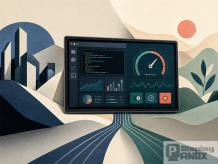
Which LCD display module would you recommend for a Raspberry Pi or microcontroller project?
For a Raspberry Pi computer, the most useful recommendation is not one fixed screen size or one “Raspberry Pi compatible” model. Almost any well-documented TFT LCD panel can be connected to a Raspberry Pi when it is paired with the correct controller board. The pan
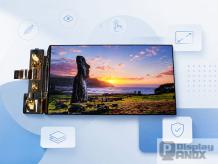
Where Can I Buy Reliable 7-Inch Display Modules with Good Warranties and Shipping Options?
7 inch AMOLED OLED 1920X1080 Mipi A reliable 7-inch display module should be purchased by exact model, interface, resolution, touch configuration, and integration level. The term “7-inch display” covers everything from raw MIPI panels
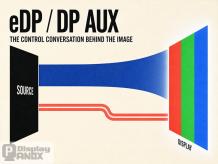
eDP and DisplayPort AUX Channel Design Guide: Electrical Specs, PCB Layout and Troubleshooting
A DisplayPort Main Link can be routed correctly and a display can still remain black. In many bring-up cases, the missing piece is not the high-speed video lane but the DisplayPort AUX channel. The Main Link carries video and audio data in one direction, from the Source to the
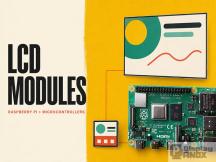
Which LCD Display Module Is Best for a Raspberry Pi or Microcontroller Project?
For a Linux-based Raspberry Pi , the most practical starting point is a 7-inch HDMI TFT LCD with touch support. For an Arduino, Raspberry Pi Pico, ESP32, or STM32 project, a 2.4- to 3.5-inch SPI TFT with an integrated display controller is usually the safer choice.
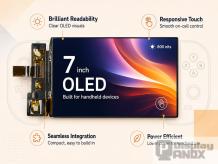
Which 7-Inch OLED Touch Screens Are Best for Portable Devices?
7 inch AMOLED OLED 1920X1080 Mipi Seven-inch OLED touch screens have become increasingly relevant to handheld game consoles, portable navigation systems, compact control terminals, and other battery-powered devices. The size provides substantially more usable interface
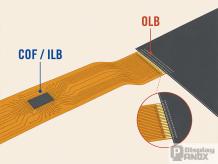
COF Bonding vs. OLB Bonding: What Is the Difference in LCD Modules?
COF bonding and OLB bonding often appear together in LCD module drawings, production records, and factory discussions. The two terms are closely related, but they do not describe the same stage of manufacturing. COF, or chip-on-film, refers to a packaging structure in which a d
Panox Display

Browse Articles by Category
OEM SERVICE
Customized Touch Panel
HDMI/Type-C Controller/Driver Board
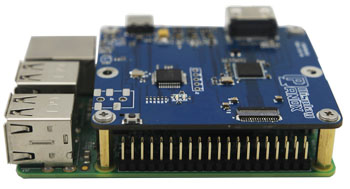
Custmized LCD/OLED
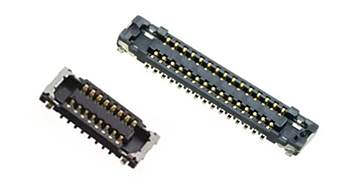
Free Connectors
Find a Display to Fit Your Application
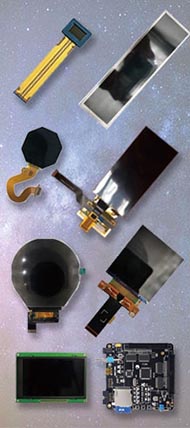
For More OLED/LCD Panels
If our display fit your application, subscrlbe for monthly Insights
Panox Display Professional OLED/LCD Supplier and Manufacturer
- 📍 Shenzhen
- 📞 Phone: 86 755 3396 6409
- 📠 Skype: panoxwesley

If it`s urgent, try to contact
Whatsapp: +86 18665870665
Skype: panoxwesley
QQ: 407417798