
Specialist LCD/OLED Supplier
|
|






What are the Key Advantages of Mini OLED Displays for B2B Manufacturers?
Mini OLED displays are compact, high-resolution screens ideal for varied applications. These displays offer superior color accuracy, energy efficiency, and flexibility, making them highly sought-after by manufacturers, wholesalers, and OEM suppliers, especially in China’s competitive factory
What Makes a Micro Memory Card 4GB Ideal for Wholesale and OEM Manufacturing?
A micro memory card 4GB offers compact storage with reliable performance, perfect for mass manufacturing and wholesale distribution. Its balance of size, capacity, and affordability suits diverse applications, especially when sourced from trusted China-based OEM factories like Panox Display, known
What Makes Microoled Grenoble Crucial for Manufacturers and OEMs?
Microoled Grenoble technology represents a leading edge in micro-display solutions, significantly impacting manufacturers, OEMs, and global suppliers. This article explores its relevance, applications, and why China-based factories like Panox Display are pivotal in this sector. Also che
What Are Mini LCD Displays and How Are They Used in Industry?
Mini LCD displays are compact liquid crystal displays widely used in industrial, wearable, and electronic applications due to their high resolution and low power consumption. As a leading supplier and OEM manufacturer in China, Panox Display specializes in providing these displays with customizatio
What Are Micro Displays and How Are They Revolutionizing Visual Technology?
Micro displays are miniature screens offering high-resolution visuals for compact devices, transforming sectors like VR, automotive, and optoelectronics with their superior image quality and efficiency. Also check: Micro OLED What Is a Micro Display and How Does It Work? A mi
What Should You Know About Memory Card Micro SD 4GB for B2B Manufacturing?
Memory card micro SD 4GB is a compact, versatile storage solution widely used in consumer electronics and industrial devices. For B2B buyers and manufacturers, sourcing from a reliable China-based OEM factory like Panox Display ensures quality, customization, and competitive wholesale pricing suita
What Is LG Bendable Display and How Does It Impact Display Innovation?
LG bendable display refers to the flexible OLED technology developed by LG, enabling screens to bend or fold without compromising image quality. This breakthrough drives innovation in wearable devices, smartphones, automotive displays, and is supported globally by OEM suppliers and manufacturers li
What Are Bendable LED Displays and How Are They Made in China?
Bendable LED displays are flexible screens that can curve and fold, enabling innovative applications in signage, wearables, and design. Manufactured by specialized Chinese factories like Panox Display, these displays combine advanced LED technology with flexible substrates to deliver durable, custo
What Are the Advantages of Bendable Display Screens for B2B Manufacturers?
Bendable display screens offer revolutionary design flexibility, enhanced durability, and space-saving benefits for various industries. Chinese manufacturers like Panox Display provide OEM and wholesale solutions, combining cutting-edge technology with flexible production capacity to meet evolving
Panox Display

Browse Articles by Category
OEM SERVICE
Customized Touch Panel
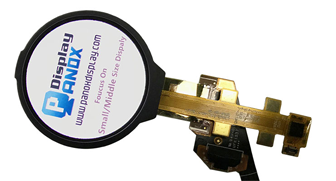
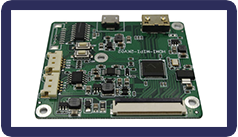
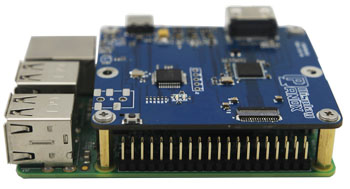
HDMI/Type-C Controller/Driver Board
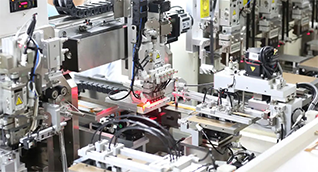
Custmized LCD/OLED
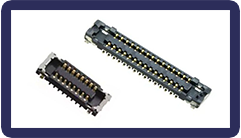
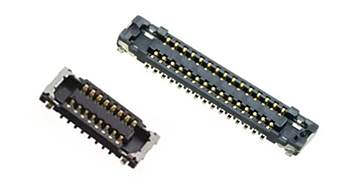
Free Connectors
Find a Display to Fit Your Application
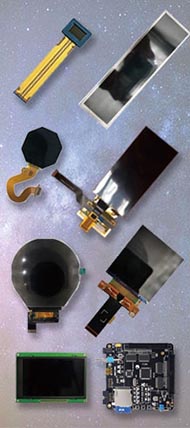
For More OLED/LCD Panels
If our display fit your application, subscrlbe for monthly Insights
Panox Display Professional OLED/LCD Supplier and Manufacturer
- 📍 Shenzhen
- 📞 Phone: 86 755 3396 6409
- 📠 Skype: panoxwesley

If it`s urgent, try to contact
Whatsapp: +86 18665870665
Skype: panoxwesley
QQ: 407417798