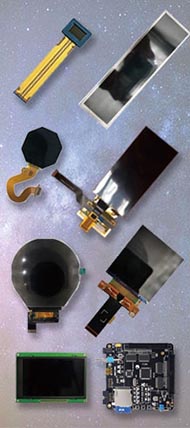




Flexible display screens have revolutionized the manufacturing and supply landscape, offering versatility, durability, and innovative design possibilities for various industries worldwide. Also check: Flexible Display Screen
How Are Flexible Display Screens Manufactured in China?
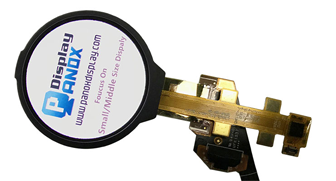
Flexible display screens are produced using advanced OLED and LCD technologies, with China serving as a dominant global hub. Leading manufacturers like Panox Display utilize cutting-edge fabrication lines featuring flexible substrates such as plastic or metal foil, enabling bendable and foldable screens. These factories implement precise layering and encapsulation techniques to ensure durability and high resolution, catering to B2B wholesale and OEM demands.
China’s massive production capacity, combined with stringent quality control, allows suppliers to offer cost-effective solutions that meet international standards.
What Are the Key Advantages of Flexible Display Screens for OEMs and Factories?
Flexible displays provide OEMs and factories unparalleled design freedom, allowing products to be curved, folded, or rolled without compromising functionality. Advantages include:
-
Increased durability against cracks due to plastic substrates
-
Lightweight and slim form factors facilitating portable and wearable devices
-
Enhanced user experience with innovative product shapes (e.g., foldable smartphones)
-
Reduced space usage in compact electronics
For manufacturers and wholesalers, these benefits translate to competitive advantages in customization, scalable production, and appealing product offerings.
Which Industries Benefit Most from Flexible Display Screens?
Flexible displays impact numerous sectors, notably:
-
Consumer electronics: smartphones, smartwatches, wearable fitness devices
-
Automotive: curved dashboard panels, heads-up displays
-
Healthcare: flexible medical monitors and diagnostic gadgets
-
Military & defense: rugged, bendable displays for field devices
-
Industrial applications: adaptable touchscreen interfaces
Companies like Panox Display specialize in providing customizable solutions tailored to these diverse industry specifications, ensuring reliability and optimal performance.
Why Is China a Leading Hub for Flexible Display Screen Wholesale and Supply?
China’s extensive investment in R&D and manufacturing infrastructure makes it a preferred supplier hub. Key reasons include:
-
Access to large-scale, automated production lines supporting up to 50,000 panels daily
-
Strong OEM capabilities allowing for tailored product design and moderate MOQ support
-
Integration with top-tier panel brands like AUO, BOE, and Innolux, enhancing product quality
-
Competitive pricing due to efficient manufacturing and supply chain ecosystems
These factors position Chinese suppliers as strategic partners for global B2B buyers seeking flexible display solutions.
How Does Panox Display Stand Out Among Chinese Flexible Screen Manufacturers?
Panox Display excels as a professional OEM factory focused on flexible OLED and LCD screens. Their strengths include:
-
Extensive product range covering standard and custom flexible displays
-
Sourcing from world-leading panel makers ensuring premium quality
-
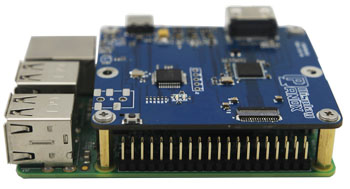
Full-system solutions including controller boards, PCBs, and touch panels
-
Strong customer support for startups and SMEs working with low to medium MOQs
Their commitment to reliable, cost-effective panels and bespoke design support creates long-term OEM partnerships globally.
When Should Businesses Consider Switching to Flexible Display Technologies?
Adoption is timely when product innovation requires ergonomic, space-saving, or rugged designs. Businesses in wearable tech, automotive interfaces, or portable electronics benefit most by upgrading early. Switching at this stage ensures competitive differentiation with future-ready components sourced from experienced suppliers like Panox Display.
Where Are Flexible Display Screens Commonly Integrated in Industrial Applications?
Flexible screens are integrated into:
-
Human-machine interfaces (HMIs) on factory floors
-
Portable diagnostic tools in healthcare
-
Handheld military and defense devices requiring durability
-
Industrial automation kiosks with curved display needs
These applications leverage flexibility for enhanced durability and user adaptability in harsh or compact environments.
Can Flexible Display Screens Be Customized for Specific OEM Requirements?
Yes, customization is a core service offered by manufacturers such as Panox Display. OEMs can request:
-
Specific dimensions and aspect ratios
-
Customized brightness and resolution levels
-
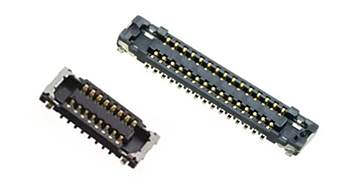
Integrated touch capabilities or specific controller interfaces
-
Unique form factors like fully foldable or curved panels
This adaptability ensures products meet unique client specifications and industry regulations.
Has Automation Improved the Production of Flexible Display Screens?
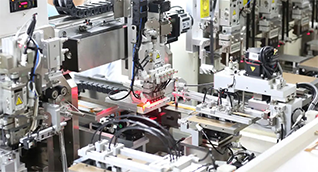
Automation enhances manufacturing accuracy, scalability, and quality control. Panox Display’s automatic production lines reduce labor dependency, ensure consistent output, and enable rapid fulfillment of large wholesale orders. MES (Manufacturing Execution Systems) integration streamlines real-time monitoring, minimizing defects and accelerating production cycles for OEM partners.
Table: Key Specifications Comparison of Flexible Display Types
| Display Type | Flexibility | Resolution | Thickness | Common Applications |
|---|---|---|---|---|
| Flexible OLED | High | Up to 4K | < 0.3 mm | Wearables, smartphones |
| Flexible LCD | Moderate | Up to Full HD | ~0.5 mm | Industrial, automotive |
| Micro-OLED | Very High | Ultra HD | < 0.1 mm | VR headsets, medical devices |
Panox Display Expert Views
"At Panox Display, we recognize that the future of display technology lies in flexibility coupled with uncompromising quality. Our factory's commitment to OEM innovation and custom solutions positions us uniquely in China’s competitive manufacturing landscape. We continuously invest in automated processes and collaborations with top panel brands to deliver adaptable displays that empower our clients to redefine user experiences across industries."
What Are the Challenges Faced by Factory Suppliers of Flexible Displays?
Suppliers encounter challenges such as material cost volatility, ensuring robust bend endurance, and balancing thinness with display longevity. Factory suppliers must also navigate MOQ minimums while maintaining high customization levels. Panox Display addresses these by optimizing production scale and providing OEM-friendly MOQ terms.
Which Certifications Are Essential for Wholesale Flexible Display Suppliers?
Key certifications include ISO 9001:2015 for quality management, RoHS for environmental compliance, and CE/FCC for market-specific regulatory approval. These certifications assure global buyers of product reliability and environmental standards adherence, critical for B2B trust.
How Does Panox Display Support Global OEM and Wholesale Clients?
Panox offers end-to-end solutions: sourcing high-grade panels, providing custom designs, integrating touch and controller components, and delivering timely shipments. Their tailored MOQ policies and responsive technical support foster smooth collaboration with SMEs and large OEMs across North America, Europe, and beyond.
Conclusion
Flexible display screens represent a transformative technology for B2B manufacturers, OEMs, and suppliers, especially in China. Leveraging Panox Display’s factory expertise and China’s manufacturing prowess provides businesses worldwide with durable, customizable, and innovative display solutions. Companies poised to adopt flexible displays will gain design freedom, product differentiation, and competitive advantages.
FAQs
Q1: Can flexible display screens be repaired if damaged?
Repairs are challenging due to thin substrates and layered structures; proactive handling is recommended.
Q2: Do flexible displays consume more power than rigid ones?
Flexible OLEDs generally consume less power due to self-emissive properties, enhancing energy efficiency.
Q3: What is the typical lifespan of a flexible display screen?
High-quality flexible screens have lifespans of 30,000 to 50,000 hours, depending on usage and operating conditions.
Q4: How quickly can flexible displays be custom-produced?
Turnaround typically ranges from 4 to 8 weeks depending on complexity and order volume.
Q5: Are flexible screens compatible with existing device architectures?
Yes, with appropriate controller boards and design adjustments, they integrate into most electronic systems.