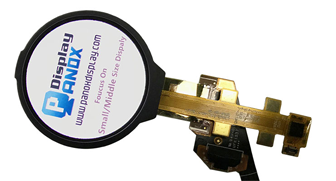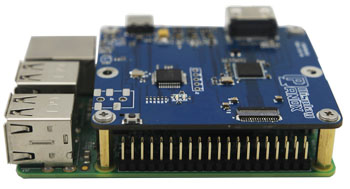




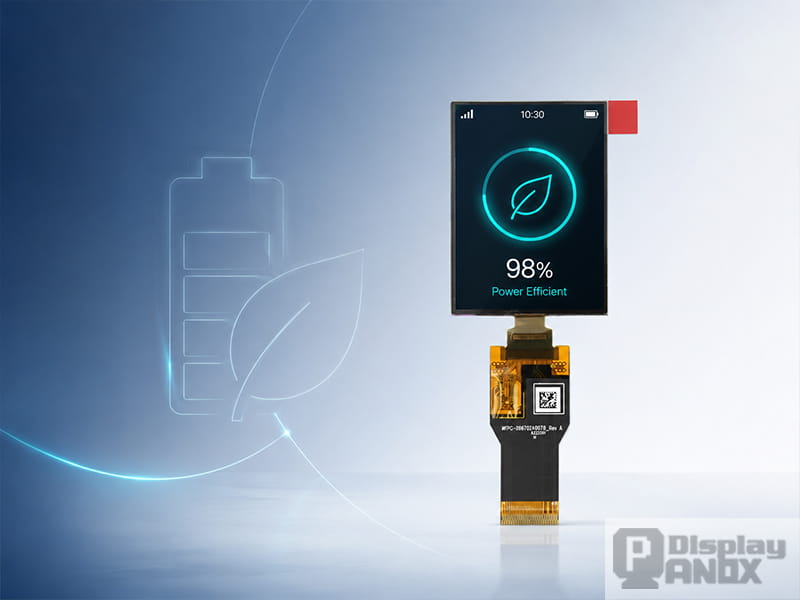
2.4 inch Color OLED 450x600 MIPI SPI MCU
For battery-powered products, the display is often one of the most visible parts of power consumption. A screen does more than show information. It affects battery life, heat, product thickness, user experience, and even the way the interface should be designed.
This is why low consumption display technology has become important for smartwatches, medical wearables, handheld terminals, diving computers, IoT devices, and compact industrial equipment. In many of these products, users do not simply want a bright screen. They want a screen that stays readable for a long time without draining the battery too quickly.
Among display technologies used in compact electronics, AMOLED and Memory LCD are two of the most practical choices for low consumption applications. They save power in different ways, suit different product designs, and should be selected according to how the device is actually used.
What Does “Low Consumption Display” Mean?
A low consumption display is a display solution designed to reduce power use during real operation. It is not defined by one simple number. In a real product, display power is affected by several factors:
-
Screen size and resolution
-
Brightness level
-
Display content
-
Refresh rate
-
Backlight or self-emission structure
-
Driver IC and power management design
-
Interface type and signal activity
-
Standby mode, sleep mode, and always-on behavior
-
Firmware and UI design
For example, a display that performs well during active use may consume more power in always-on mode. Another display may be extremely efficient for static information, yet less suitable for smooth full-color animation.
A good low consumption display choice starts with one question: What does the screen need to show most of the time?
If the product mainly shows icons, time, health data, simple menus, or outdoor-readable information, Memory LCD may be highly efficient. If the product needs vivid colors, premium contrast, smooth interaction, and a modern visual experience, AMOLED may be the better direction.
What Is Low Consumption OLED?
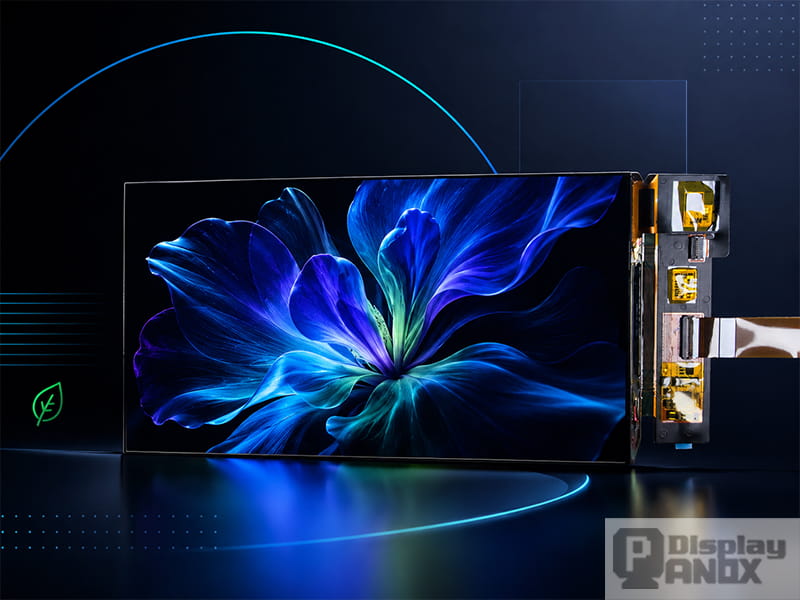
7 inch AMOLED OLED 1920X1080 Mipi
In practical product selection, “low consumption OLED” usually refers to AMOLED displays optimized for battery-powered devices. AMOLED stands for Active Matrix Organic Light Emitting Diode. Each pixel emits its own light, and each pixel can be controlled individually.
This self-emissive structure gives AMOLED an important power advantage: dark pixels require very little energy, and black pixels can be turned off. When the interface uses dark backgrounds, simple graphics, clock screens, or always-on display layouts, AMOLED can reduce unnecessary light output.
That is why AMOLED is widely used in smartwatches, fitness bands, compact handheld devices, premium wearables, and portable electronics where both image quality and battery life matter.
Why AMOLED Can Be Power Efficient
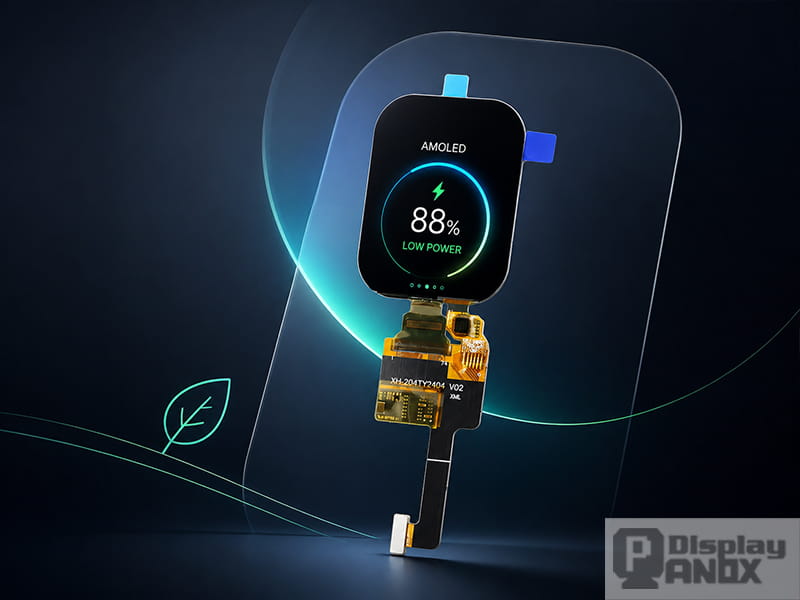
AMOLED saves power mainly through pixel-level light control. Unlike a conventional backlit LCD, an AMOLED panel does not need a full backlight shining behind the whole screen. The display only produces light where the image needs it.
This makes AMOLED especially useful for:
-
Dark mode user interfaces
-
Watch faces with black backgrounds
-
Small icons and text on a dark screen
-
Always-on display modes
-
High-contrast wearable interfaces
-
Compact products that require thin display modules
A smartwatch is a typical example. The display may spend much of its time showing a dark watch face with white text, simple indicators, or small color elements. In this type of interface, AMOLED can deliver a premium visual effect while keeping average display power under control.
AMOLED also supports high contrast, wide viewing angles, fast response time, thin structure, and flexible display designs. For products where appearance and interaction quality are important, these advantages make AMOLED more attractive than many traditional display options.
When AMOLED Power Consumption Increases
AMOLED power consumption is strongly related to what appears on the screen. A black interface can be efficient. A bright white page, full-screen map, high-brightness outdoor UI, or colorful video can require much more power.
In AMOLED design, engineers often pay attention to APL, or Average Picture Level. A high-APL image means a large part of the screen is bright. The higher the brightness and the larger the bright area, the more energy the panel needs.
For this reason, AMOLED is a strong low consumption choice when the product interface is designed carefully. A dark, concise, glanceable UI can make a real difference. A full-white interface may reduce the advantage.
For AMOLED products, display power can often be improved through:
-
Dark background UI design
-
Reduced full-screen white areas
-
Adaptive brightness control
-
Lower refresh rate during static screens
-
Always-on display optimization
-
Clear icon and text layout with less unnecessary bright area
-
Proper driver IC and power sequencing design
What Is Memory LCD?
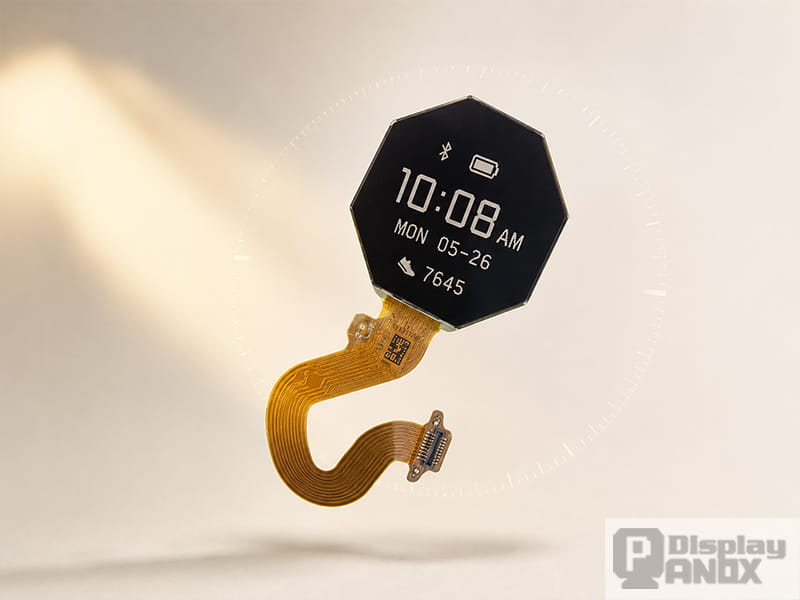
Memory LCD is another important low consumption display technology, especially for always-on and outdoor-readable devices. It is often described as Memory-in-Pixel display technology because each pixel includes a small memory function that helps retain image data.
This means a static image does not need continuous full refresh in the same way as many traditional displays. The display can keep showing information with very low power, making it suitable for devices that need to remain visible for long periods.
Memory LCD is commonly used in:
-
Smartwatches
-
Fitness trackers
-
Diving computers
-
Medical monitoring devices
-
Outdoor instruments
-
Handheld meters
-
Industrial inspection equipment
-
IoT terminals
-
Compact battery-powered products
Its reflective display structure is also valuable outdoors. Since it uses ambient light for visibility, it can remain readable under sunlight without relying heavily on a backlight.
Why Memory LCD Is So Efficient for Static Information
Memory LCD is efficient because it is designed around image retention and low refresh demand. When the screen content changes only occasionally, the display does not need constant high-frequency updates to maintain the image.
This makes Memory LCD very different from display technologies built mainly for video, animation, or rich color interfaces. It is strongest when the product shows stable information such as time, step count, heart rate, sensor values, navigation data, measurement readings, or simple menus.
For products that need an always-visible screen, Memory LCD can be a very practical solution. A user can glance at the screen without waking the whole device or turning on a bright display. This helps extend battery life and improves usability in outdoor or professional scenarios.
AMOLED vs Memory LCD: Which One Should You Choose?
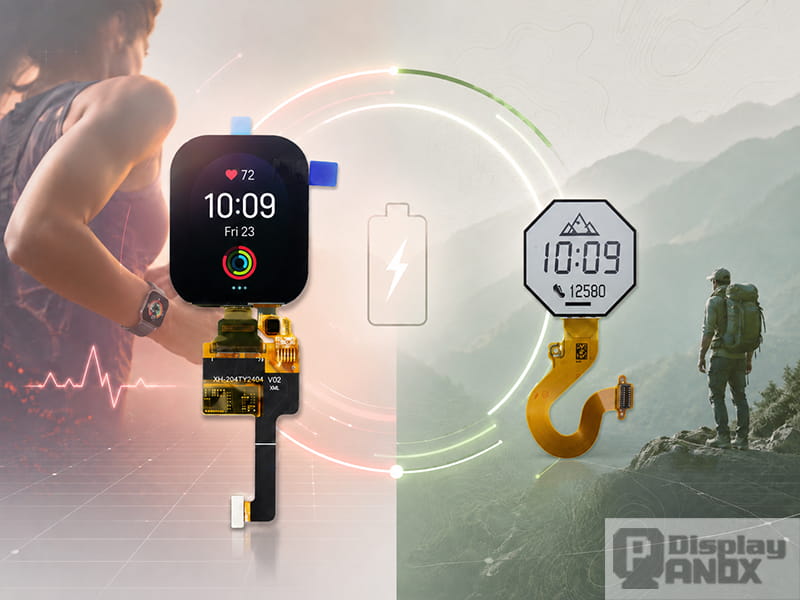
Both AMOLED and Memory LCD can support low consumption product design, but they serve different needs.
| Selection Factor | AMOLED | Memory LCD |
|---|---|---|
| Main power-saving principle | Self-emissive pixels; dark pixels use less power | Pixel memory and reflective display reduce refresh and backlight demand |
| Best content type | Color UI, watch faces, icons, animation, premium graphics | Static data, simple UI, outdoor-readable information |
| Visual performance | High contrast, vivid color, smooth response | Clear, practical, highly readable in bright environments |
| Always-on display | Good with dark UI and optimized AOD design | Excellent for static always-on information |
| Outdoor readability | Good with sufficient brightness | Very strong under ambient light |
| Power risk | High brightness and white UI increase power | Backlight use in dark environments increases power |
| Typical applications | Smartwatches, premium wearables, compact smart devices, handheld electronics | Diving computers, medical wearables, outdoor instruments, meters, IoT devices |
| Design style | Modern, colorful, high-end | Functional, efficient, information-focused |
| Best choice when | The product needs both low power and strong visual quality | The product needs long battery life with always-visible static content |
A simple way to choose:
If the product needs a premium full-color interface, AMOLED is usually the stronger choice.
If the product needs an always-on screen for static information and long battery life, Memory LCD is often more suitable.
Low Consumption Is Also a System Design Problem
The display panel matters, but it is only one part of the full power design. A low consumption panel can still waste energy if the system keeps refreshing the whole screen, drives the interface at an unnecessary speed, or leaves the display controller active when the product is idle.
This is where display power connects with system-level and VLSI-level low-power design. Power can be improved at different layers, including panel structure, driver IC, timing controller, firmware, interface, power rails, and UI behavior.
For battery-powered products, engineers should evaluate:
-
Active display power
-
Standby power
-
Sleep and wake-up behavior
-
Refresh strategy
-
Partial update support
-
Display interface power
-
Touch panel and controller power
-
MCU or processor load
-
Memory and frame buffer requirements
-
Backlight or emission brightness
-
Operating temperature
-
Product usage cycle
For example, a wearable device may only need full refresh during user interaction. During idle time, it can switch to a simplified watch face, lower refresh rate, darker UI, or static display mode. This type of power strategy is often more effective than looking at the panel alone.
Low Consumption Display Design Tips
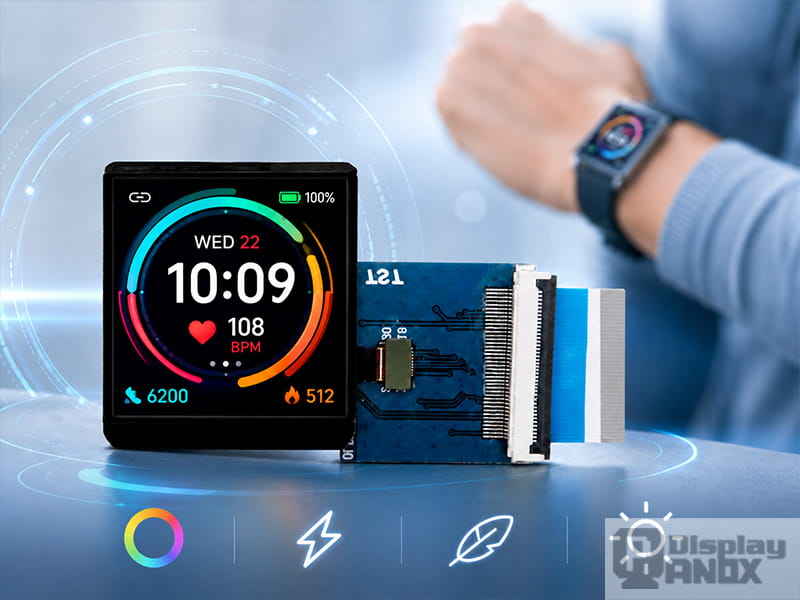
To get better battery performance from AMOLED or Memory LCD, the display should be selected together with the product interface and driving method.
For AMOLED
Use dark backgrounds wherever possible. Keep bright areas controlled. Avoid large full-white pages for long viewing periods. Reduce refresh rate when the content is static. Use adaptive brightness instead of forcing high brightness all the time. For wearable products, design the watch face around short-glance viewing and small bright elements.
For Memory LCD
Use it for information that stays visible for long periods. Take advantage of static display retention. Update only the areas or lines that need to change when possible. Avoid unnecessary animation. Consider whether a backlight is needed for low-light environments, because backlight use changes the real power budget.
For Both Technologies
Define the real operating scenario before choosing the panel. A display for a medical wearable, a diving computer, and a smart ring accessory may all be called low consumption, but their screen behavior can be completely different.
Where Panox Display Fits In
Panox Display supplies display panels for compact electronic products where low consumption, readability, and reliable integration are important. For the Low Consumption category, AMOLED and Memory LCD are two key directions.
AMOLED products are suitable for customers developing premium wearables, smart devices, compact handheld products, and applications that need vivid color, high contrast, touch options, and a modern display experience.
Memory LCD products are suitable for devices that need long battery life, static information display, outdoor readability, and always-on visibility. This makes them useful for smartwatches, PDA devices, Holter monitors, diving computers, inspection equipment, meters, and other battery-powered systems.
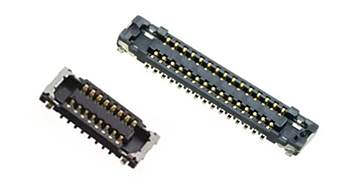
Panox Display can also support display selection, connectors, touch panels, driver board requirements, and customized display solutions according to project needs.
Explore Panox Display’s AMOLED display options for premium low-power visual interfaces.
Explore Panox Display’s Memory LCD options for always-on, sunlight-readable, battery-powered products.
Recommended Display Choices by Application
| Application | Recommended Display Direction | Reason |
|---|---|---|
| Smartwatch with colorful UI | AMOLED | Strong contrast, rich color, modern watch-face design |
| Fitness tracker with long standby time | Memory LCD or AMOLED | Choose Memory LCD for static data; choose AMOLED for premium color UI |
| Diving computer | Memory LCD | Outdoor readability, simple data display, long battery life |
| Holter monitor | Memory LCD | Stable static information and low-power operation |
| Handheld industrial terminal | AMOLED or Memory LCD | AMOLED for rich UI; Memory LCD for simple data and outdoor use |
| Outdoor meter | Memory LCD | Sunlight readability and low refresh demand |
| Premium wearable device | AMOLED | Thin module, color performance, touch integration, high contrast |
| IoT status display | Memory LCD | Always-visible static information with low power demand |
Conclusion
Low consumption display design works best when the panel, interface, power management, and product use case are planned together.
AMOLED is ideal for products that need rich visuals, high contrast, smooth interaction, and efficient dark-interface operation. Memory LCD is ideal for products that need static information, sunlight readability, always-on visibility, and very long battery life.
For battery-powered devices, the right display choice can improve more than battery runtime. It can shape the whole product experience.
Explore more Low consumption display solutions from Panox Display to find suitable AMOLED and Memory LCD panels for your next project.
FAQs
Is AMOLED always low power?
AMOLED can be very efficient with dark interfaces, black backgrounds, and optimized always-on display modes. Power consumption rises when the screen shows bright full-screen content, high brightness, or high-APL images.
Is Memory LCD better than AMOLED for battery life?
For static always-on information, Memory LCD is often more efficient. For colorful, interactive, premium interfaces, AMOLED usually offers a better balance of visual quality and power efficiency.
Does dark mode save power on AMOLED?
Yes, especially when brightness is high. Dark mode is more useful on OLED and AMOLED displays because dark pixels need less light output. The actual saving depends on brightness, UI design, and how much of the screen is dark.
Can Memory LCD show color?
Some Memory LCD products support limited color, but many Memory LCD panels are monochrome or limited-color displays. If the product needs vivid full-color graphics, AMOLED is usually more suitable.
Which low consumption display is best for wearables?
For premium smartwatches and colorful wearable interfaces, AMOLED is a strong choice. For long-battery outdoor wearables, medical monitors, and simple always-on data screens, Memory LCD can be the better option.
Can Panox Display help choose a low consumption display?
Yes. Panox Display supplies AMOLED and Memory LCD products and can help customers evaluate display size, resolution, interface, touch panel, brightness, connector, and driver board requirements for battery-powered applications.