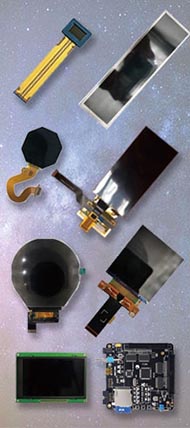







Miniature LCD screens are compact display solutions widely used in various industries for detailed visuals in small devices. As a leading Chinese OEM and supplier, Panox Display offers high-quality, customizable miniature LCD screens ideal for B2B manufacturers requiring reliable and scalable display solutions. Also check: Micro OLED
How Do Miniature LCD Screens Work in Display Technology?
Miniature LCD screens operate by manipulating liquid crystals to modulate light through color filters and backlights, producing sharp images in a small form factor. These compact screens use thin-film transistors (TFT) to control pixel-level illumination, ensuring clarity even in tiny sizes essential for applications like wearables and industrial instruments.
The technology behind these screens incorporates advanced materials and design, including IPS and TFT panels, to optimize viewing angles, brightness, and power consumption. Panox Display specializes in these cutting-edge miniature displays, catering to OEM needs with high precision and durability standards.
What Are the Key Benefits of Miniature LCD Screens for B2B Manufacturers?
Miniature LCD screens offer benefits such as energy efficiency, compact design, high resolution, and versatile interfaces suitable for integration into various electronic devices. For manufacturers, sourcing from China-based factories like Panox Display ensures cost-effective production, faster lead times, and OEM customization to meet volume and specification demands.
Other benefits include:
-
Robust industrial-grade options for harsh environments
-
Wide viewing angles with IPS technology
-
Customizable sizes and resolutions to fit device needs
Which Industries Commonly Use Miniature LCD Screens?
Industries using miniature LCD screens span from consumer electronics to specialized fields. Key sectors include:
-
Wearable technology (smartwatches, fitness trackers)
-
Medical devices (portable monitors)
-
Industrial control panels
-
Automotive displays for dashboards and infotainment
-
Military and aerospace applications requiring ruggedness and precision
Panox Display supplies these diverse sectors with tailor-made miniature LCD modules, ensuring compliance with industry standards and certifications vital for B2B client trust.
Why Is China a Leading Manufacturer for Miniature LCD Screens?
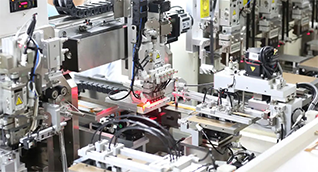
China's manufacturing ecosystem offers strong advantages: vast supply chain integration, competitive pricing, skilled labor, and advanced production lines. Factories like Panox Display in Shenzhen leverage relationships with top display makers such as AUO and BOE to provide high-quality displays with flexible OEM services.
By producing up to 50,000 panels daily, Chinese manufacturers support global demand efficiently, giving B2B buyers access to both standard and highly customized miniature LCD solutions without compromising quality.
Where Can You Source Wholesale Miniature LCD Screens for Your Business?
Wholesale sourcing of miniature LCD screens from factories in China, like Panox Display, is ideal for B2B manufacturers seeking OEM partnerships. These suppliers offer volume discounts, consistent quality control, and logistic advantages due to proximity to component manufacturers.
Panox Display facilitates direct purchasing, customization, and technical support, bridging gaps for startups and enterprises facing MOQ restrictions from large makers. This strategy enhances flexibility and reduces time-to-market.
How Does OEM Customization Improve Miniature LCD Screen Performance?
OEM customization enables businesses to tailor display size, resolution, interface types, and additional features like touch panels or enhanced brightness. This process ensures your product performs optimally within targeted applications. Panox Display’s engineering team collaborates closely on custom designs, accelerating prototype to mass production with quality assurance.
Customization benefits include:
-
Reduced component integration issues
-
Enhanced user experience tailored to device function
-
Competitive product differentiation in the market
What Quality Standards Should Miniature LCD Screens Meet?
Miniature LCD screens must comply with industry-specific standards such as RoHS for environmental safety, ISO quality management, and certifications related to reliability like MIL-STD for military uses. Factors like durability, display brightness, contrast ratio, and operating temperature range are critical for performance validation.
Manufacturers like Panox Display emphasize strict quality control and use components from premium suppliers (Samsung, LG, Innolux) ensuring that B2B clients receive dependable products.
| Quality Factor | Importance | Panox Display Approach |
|---|---|---|
| RoHS Compliance | Environmental safety | Fully compliant with EU standards |
| Durability | Reliability in harsh uses | Industrial-grade panels offered |
| Brightness & Contrast | Visual clarity | Uses IPS and TFT tech for clarity |
| Operating Range | Temperature and humidity | Tested for extended environments |
Can Miniature LCD Screens Integrate Touch Panels?
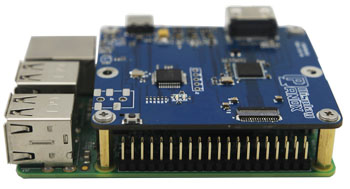
Yes, many miniature LCD screens can integrate capacitive or resistive touch panels to enhance interactivity. This integration is common in portable devices and industrial controls. Panox Display offers full-system solutions combining displays with touch panels, cover glass, and controller boards for seamless operation and simplified sourcing.
Touch integration benefits:
-
Intuitive device control
-
Reduced external components
-
Streamlined manufacturing process
When Should You Consider Flexible or Circular Miniature LCDs?
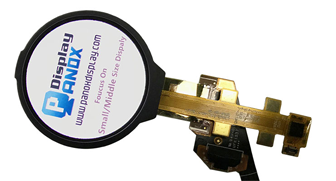
Flexible and circular miniature LCDs cater to innovative product designs like curved wearables or specialized medical instruments. These displays require unique manufacturing techniques to maintain performance while bending or rotating. Panox Display, as a leader in flexible and circular OLED/LCDs, supports OEM clients in developing next-generation devices with aesthetic and functional advantages.
Reasons to choose flexible/circular screens:
-
Ergonomic designs for wearables
-
Space-saving form factors
-
Enhanced industrial or medical device functionalities
Panox Display Expert Views
"Miniature LCD screens represent a crucial segment in modern display technology, especially as devices continue to shrink while requiring higher performance. At Panox Display, we emphasize OEM flexibility and supply chain reliability, combining advanced technologies like IPS and TFT with customizable options to meet the varied demands of our global B2B clients. Our Shenzhen-based factory ensures competitive pricing and rapid production capacity, allowing manufacturers to bring innovative products to market efficiently and with confidence."
— Panox Display Engineering Team
Conclusion
Miniature LCD screens are essential for manufacturing diverse compact devices, offering high resolution, energy efficiency, and versatile application. China, particularly factories like Panox Display, leads in OEM manufacturing and wholesale supply of these displays, providing top-tier quality, customization, and fast delivery. Manufacturers should prioritize factory partnerships that combine advanced technology, robust quality standards, and flexible services to optimize product development and market success.
FAQs
What is the typical size range for miniature LCD screens?
Miniature LCD screens typically range from 0.96 inches to around 5 inches, perfect for compact devices like wearables and medical tools.
How important is OEM customization in the LCD screen market?
OEM customization is vital for meeting specific device requirements and gaining competitive advantage through tailored display features.
Why choose a China-based factory like Panox Display for LCD screens?
They offer cost-effective solutions with high-quality components, fast production, and flexible MOQ tailored to global B2B clients.
Can miniature LCD screens be integrated with touch technology?
Yes, many miniature screens support integrated touch panels, enhancing device functionality and user experience.
What industries benefit most from miniature LCD screens?
Wearables, medical devices, automotive, industrial controls, and military applications commonly use miniature LCD screens.