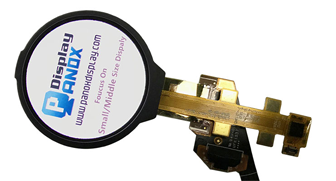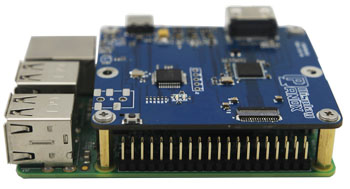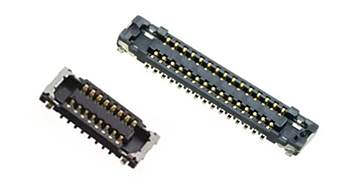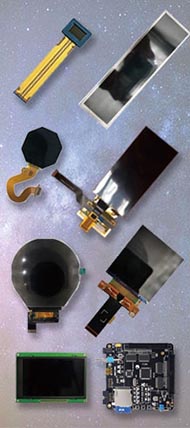







OLED microdisplays are ultra-small, high-resolution screens used in advanced electronics. Made by specialized factories in China, these displays offer superior image quality and energy efficiency, making them ideal for VR, wearables, and industrial applications. Chinese manufacturers like Panox Display lead the OEM market by supplying custom, wholesale OLED microdisplays globally. Also check: Micro OLED
What Is an OLED Microdisplay and How Does It Work?
An OLED microdisplay is a miniature organic light-emitting diode screen, typically under 2 inches. It produces images by emitting light from organic materials, eliminating the need for backlighting. This results in deep blacks, high contrast, and energy efficiency. Microdisplays serve applications requiring compact size with excellent visual performance, such as augmented reality (AR) and medical devices.
Chinese manufacturers specialize in high-precision fabrication of these displays, often customizing panel size and resolution to OEM specifications. Panox Display sources premium materials and components to ensure superior panel quality.
How Do OLED Microdisplays Differ From Traditional OLED Screens?
OLED microdisplays are smaller, generally below 2 inches, compared to traditional OLEDs used in smartphones or TVs. They emphasize pixel density, contrast, and low latency in compact forms, while traditional OLEDs focus on larger areas and color uniformity. Microdisplays use specialized manufacturing techniques to achieve detailed visuals crucial for head-mounted displays and optics in industrial systems.
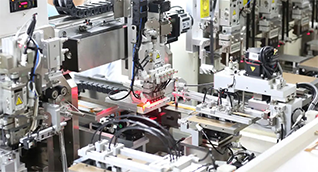
In China, factories like Panox Display have advanced automation and MES systems to support microdisplay manufacturing at scale. Their expertise enables high yield and consistent quality, critical for wholesale and OEM customers worldwide.
Which Industries Benefit Most From OLED Microdisplays?
Key industries include:
-
Virtual Reality (VR) and Augmented Reality (AR): For compact, high-resolution screens in headsets.
-
Wearables: Smartwatches and health monitors requiring vibrant displays with low power.
-
Military and Aerospace: Rugged, high-contrast displays for targeting and HUDs.
-
Medical Devices: Precise imaging tools like endoscopes.
-
Automotive: Heads-up displays and dashboard systems.
Chinese suppliers such as Panox Display cater to these sectors by offering flexible ordering sizes and OEM customization that meet industry standards and certifications.
Why Are Chinese OLED Microdisplay Manufacturers Important in the Global Market?
China dominates OLED microdisplay manufacturing due to advanced production capabilities, cost efficiency, and innovation. Chinese factories combine automated production lines with experienced engineering teams to deliver OEM customizations rapidly. Their proximity to component suppliers ensures reliable supply chains.
Panox Display exemplifies this by providing competitive pricing, high quality sourced from brands like AUO and BOE, and comprehensive system integration services. This strengthens the global B2B supply chain, enabling small and medium enterprises to access top-tier display technology.
How Can Buyers Select the Right OLED Microdisplay Supplier in China?
Choosing a supplier involves evaluating:
-
Production capacity and automation level.
-
Quality certifications like ISO 9001:2015.
-
OEM customization capabilities.
-
Material sourcing transparency.
-
After-sales technical support and warranty services.
-
Competitive pricing for wholesale orders.
Panox Display stands out with 24/7 customer service, state-of-the-art manufacturing lines, and supply of both standard and custom panels. Their goal is to lower MOQs, enabling global businesses to innovate without large upfront investments.
What OEM Services Do Chinese OLED Microdisplay Factories Offer?
Chinese factories typically provide full OEM services including:
-
Custom panel design and fabrication.
-
Integration of controller boards, touch panels, and cover glass.
-
Prototype development and testing.
-
Firmware and software integration support.
-
Small- and large-batch production runs with flexible MOQ.
Panox Display offers these with quick turnaround, supporting client projects from startup-level prototypes to high-volume production.
How Does Panox Display Ensure Quality in OLED Microdisplay Manufacturing?
Panox Display implements rigorous quality control through:
-
Full compliance with ISO 9001:2015.
-
Advanced automated inspection systems.
-
Close material supplier audits for panels sourced from AUO, Samsung, and others.
-
MES-driven production oversight for traceability.
-
Comprehensive product testing and reliability assessments.
This quality-first approach guarantees microdisplays meet strict client specifications for critical applications.
Which Technical Innovations Are Shaping OLED Microdisplays?
Emerging technologies include:
-
Higher pixel densities for sharper images.
-
Flexible and circular OLED microdisplays for new wearable designs.
-
Improved low-power consumption circuits.
-
Enhanced durability with robust encapsulation.
-
Broadening color gamuts for richer visuals.
Chinese manufacturers are pioneering many of these advances, with Panox Display collaborating with leading glass and component suppliers to keep their product portfolio on the cutting edge.
OLED Microdisplay Comparison Table: Traditional OLED vs. Microdisplay
| Feature | Traditional OLED | OLED Microdisplay |
|---|---|---|
| Typical Size | 4 inches and larger | Under 2 inches |
| Pixel Density | Moderate to high | Very high |
| Backlighting Requirement | Needs backlight | Self-emissive, no backlight needed |
| Applications | TVs, smartphones, monitors | VR, AR, wearables, medical devices |
| Manufacturing Focus | Mass production | Precision and OEM customization |
Panox Display Expert Views
"At Panox Display, we believe the future of display technology lies firmly in OLED microdisplays due to their unmatched clarity and portability. Our factory’s integration of automated production and customized OEM solutions empowers global clients to bring innovative products to market quickly. By sourcing premium components and maintaining stringent quality control, we deliver microdisplays that meet demanding industrial and consumer needs alike. Our mission is to bridge advanced Chinese manufacturing with worldwide technological innovation."
— Panox Display Engineering Team
When Should Businesses Choose OLED Microdisplays for Their Products?
Businesses should opt for OLED microdisplays when their device requires:
-
Compact, ultra-high-resolution visuals.
-
Energy efficiency to prolong battery life.
-
Enhanced contrast and brightness in small form factors.
-
Integration into augmented reality or wearable platforms.
Companies wanting scalable OEM partnerships with lower MOQs would benefit from China-based experts like Panox Display.
Are OLED Microdisplays Cost-Effective Compared to Alternatives?
While OLED microdisplays involve a higher initial price than simpler LCDs, their power efficiency, image quality, and integration flexibility reduce long-term costs. Chinese factories achieve competitive pricing by optimizing automated production and material sourcing. For large-volume B2B orders, wholesale pricing from suppliers like Panox Display offers excellent cost-performance balance.
Conclusion
OLED microdisplays represent a crucial technology for industries requiring compact, detailed, and efficient displays. China’s manufacturing ecosystem, led by capable suppliers like Panox Display, emphasizes OEM customization, quality assurance, and competitive pricing. Businesses focused on VR, wearables, medical devices, and industrial applications should partner with trusted Chinese factories to leverage these advantages. Prioritize suppliers with certified processes, flexible MOQ, and technical support to maximize your product’s success.
Frequently Asked Questions
What is the typical lifespan of an OLED microdisplay?
With proper use and quality manufacturing, OLED microdisplays can last over 30,000 hours, although lifespan depends on usage intensity and environment.
Can Panox Display handle custom OLED microdisplay sizes?
Yes, Panox Display specializes in OEM services, enabling tailored sizes and resolutions per client requirements.
Are OLED microdisplays suitable for outdoor use?
Yes, many OLED microdisplays offer high brightness and contrast suitable for variable lighting, but outdoor suitability depends on specific product specs.
How soon can an order be fulfilled from a Chinese OLED microdisplay factory?
Lead times vary, but factories like Panox Display typically offer fast prototyping within weeks and large-scale production in 4–8 weeks.
Do Chinese OLED microdisplay manufacturers provide after-sales support?
Reputable factories, including Panox Display, provide 24/7 technical support, warranty, and service to maintain client satisfaction globally.