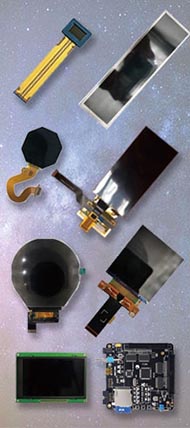







OLED and LCD displays differ significantly in technology, performance, and application. Choosing the right display depends on factors like image quality, cost, manufacturing scale, and specific industrial requirements, especially for China-based manufacturers and OEM suppliers like Panox Display. Also check: OLED
What Are the Main Differences Between OLED and LCD Displays?
OLED (Organic Light Emitting Diode) displays use self-emitting pixels that produce light individually, leading to deeper blacks and higher contrast. LCD (Liquid Crystal Display) panels rely on a backlight shining through liquid crystals, resulting in generally lower contrast but higher brightness. OLED offers better color accuracy and thinner panels, while LCD excels in durability and cost efficiency for large-scale manufacturing.
OLED’s self-illumination grants superior image quality and thinner design; LCD’s backlight technology provides reliability and easier mass production suitable for factory environments.
How Do OLED and LCD Displays Compare in Terms of Manufacturing and Supply Chain?
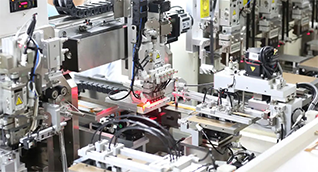
OLED manufacturing is complex, requiring precise organic layering, resulting in higher costs and lower yields. It demands controlled environments and advanced machinery, making it more suitable for specialized factories like Panox Display with automated production lines. LCD production is more mature, with extensive supply chains rooted in China, allowing large volume wholesale orders and lower pricing.
For OEMs and suppliers, LCD panels often represent cost-effective options with stable yields, while OLED offers high-end customization but with longer lead times.
Which Display Technology Offers Better Energy Efficiency and Durability?
OLED displays consume less power when showing darker images due to pixel-level light control, making them energy-efficient for devices with variable content. However, organic materials in OLED degrade over time, reducing lifespan under heavy use. LCD panels consume consistent power owing to constant backlighting, but they typically have longer lifespans and better resistance to burn-in, ideal for industrial and outdoor applications.
Panox Display supports custom solutions balancing energy efficiency with durability depending on client needs.
Why Is China a Key Hub for OLED and LCD Display Manufacturing?
China leads in global display manufacturing due to its vast industrial capacity, mature supply chains, and investment in advanced production lines. Shenzhen’s concentration of OEM factories such as Panox Display accelerates innovation in OLED/LCD technologies and enables competitive wholesale pricing. Many manufacturers source components from top Chinese and global panel producers like BOE, AUO, and Samsung, integrated into flexible supply frameworks.
China’s position enhances access for global companies seeking quality, scalable display panels tailored for wearables, automotive, and military sectors.
Who Are the Main OEM and Wholesale Suppliers for OLED and LCD Panels in China?
Leading Chinese suppliers include companies like Panox Display, which combine sourcing from top brands (LG, Innolux, Samsung) with in-house customization. Wholesale Alibaba and Made-in-China platforms list thousands of factories offering both OLED and LCD panels. Panox Display distinguishes itself by providing not only screens but full display system solutions, supporting smaller clients with lower MOQs and engineering support.
Customers benefit from standardized products or tailored services to meet specific OEM project demands.
How Does the Cost Factor Influence Choosing OLED vs LCD Displays for OEM Manufacturing?
OLED panels carry higher material and production costs due to organic material handling and stringent quality control, raising wholesale prices. Bulk LCD production benefits from economies of scale, making it more affordable for mass-market devices or cost-sensitive projects. Factories like Panox Display offer competitive pricing on both technologies by optimizing supply chains and combining orders.
Manufacturers should weigh initial investment, product positioning, and target markets, balancing cost-performance ratios effectively.
When Should Businesses Choose OLED Over LCD Displays?
Businesses should select OLED when image quality, slimness, and flexible form factors are priorities—such as in wearables, VR products, or premium consumer electronics. OLED’s contrast and color range enhance user experience but at a higher price and shorter panel life. Factories like Panox Display help OEMs incorporate OLED technology without prohibitive minimum order quantities, ideal for startups and mid-sized enterprises.
Choosing OLED involves foresight about product lifespan, branding, and display performance demands.
Where Is Customization More Accessible: OLED or LCD Panels in China?
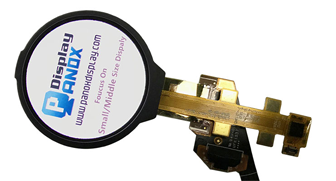
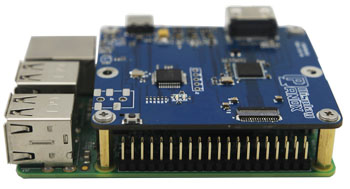
China’s manufacturing ecosystem, led by suppliers such as Panox Display, provides extensive customization options for both OLED and LCD. LCD customization includes resolution, size, and touch integration, while OLED offers flexibility in shape (flexible, circular), color types (monochrome, RGB), and specialized coatings. Panox Display’s expertise in custom Android and Arduino-compatible controller systems enables seamless integration across varied applications.
Customization accessibility depends on technical capabilities and the supplier's willingness to support OEM projects at various scales.
Can OLED and LCD Displays Be Integrated Into a Single Product?
Yes, hybrid display solutions combining LCD and OLED technologies are emerging, especially for multi-functional devices requiring different screen areas with varied functions. For example, primary screens might use OLED for rich graphics, while secondary displays use LCD for informational purposes to optimize power and cost. Companies like Panox Display support integrating such solutions by offering modular panel options and controller boards facilitating mixed technology products.
This integration strategy offers innovation potential for factory OEM providers and improves product differentiation.
What Are the Emerging Trends and Future Developments in OLED and LCD Displays?
Flexible, foldable OLEDs continue to expand with improved durability, enhancing wearable and mobile device designs. LCD technology evolves with IPS and mini-LED backlighting to boost brightness and color uniformity for industrial applications. Chinese manufacturers are increasingly investing in Micro-OLED and transparent LCD variants. Panox Display actively participates in these innovations by sourcing the latest panel types and customizing advanced display systems for their clients.
These trends promise higher performance, wider industrial use, and more tailored manufacturing options.
Panox Display Expert Views
"At Panox Display, we see the OLED and LCD landscape evolving rapidly, driven by innovation and market demands. Our strength lies in bridging high-quality panel technology from brands like AUO and BOE with flexible factory solutions tailored for OEMs and suppliers worldwide. Whether our clients seek cutting-edge OLED for wearables or reliable LCD for industrial devices, we ensure dependable supply, customization, and competitive wholesale pricing that suits businesses of all sizes."
Comparison Table: OLED vs LCD Displays for B2B Manufacturers
| Feature | OLED Displays | LCD Displays |
|---|---|---|
| Image Quality | Superior contrast, vibrant colors | Good color but limited contrast |
| Manufacturing Cost | Higher due to organic materials | Lower, mature production |
| Power Consumption | Efficient with dark content | Constant power for backlighting |
| Lifespan | Shorter, susceptible to burn-in | Longer, durable |
| Flexibility | Flexible and curved options available | Rigid, some flexible IPS models |
| Customization | High for shapes, colors | High for size, resolution, touch features |
| Scalability | Limited by yield rates | Highly scalable and cost-effective |
Conclusion
Choosing between OLED and LCD displays depends on business priorities—whether it's image excellence, cost efficiency, power use, or customization. China-based OEM factories like Panox Display excel in providing both technologies with competitive wholesale pricing and flexible manufacturing options. Companies should analyze use cases, volume demands, and technical needs carefully, leveraging expert suppliers to optimize innovations and supply chains in their products.
FAQs
Which display is better for industrial applications?
LCD displays are generally better due to their durability, longer lifespan, and resistance to environmental factors.
Can OLED displays be customized for small batch manufacturing?
Yes, companies like Panox Display specialize in supporting small- to mid-sized business orders with OEM OLED customization.
Do OLED displays consume less power than LCD?
Typically, OLEDs consume less power when displaying darker images because of pixel-level light control.
Is China a reliable source for high-quality OLED and LCD panels?
Absolutely, with manufacturers like Panox Display sourcing from top global brands, China is a leading hub for quality and cost-effective display panels.
How do I decide between OLED and LCD for a wearable device?
OLED is usually preferred for wearables due to its thinness, flexibility, and superior display quality.