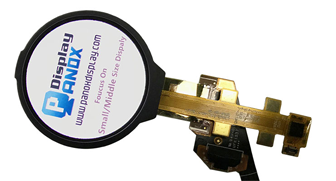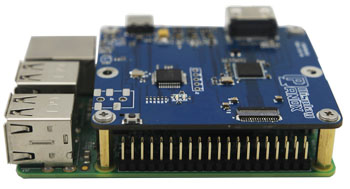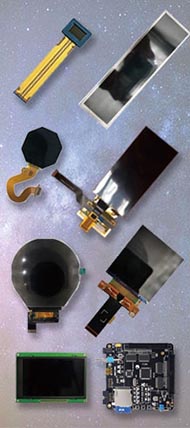







Interfacing a TFT LCD with a microcontroller enables dynamic visual displays for embedded systems. This process involves connecting hardware components, configuring communication protocols like SPI or parallel ports, and programming the microcontroller to send graphics data, making it essential for custom OEM display solutions offered by manufacturers like Panox Display. Also check: Micro OLED
What Is a TFT LCD and How Does It Work with a Microcontroller?
A TFT LCD (Thin-Film Transistor Liquid Crystal Display) is a type of active matrix LCD that uses thin-film transistor technology to improve image quality and response time. Microcontrollers interface with TFT LCDs to send pixel data using protocols such as SPI, I2C, or parallel interfaces, controlling the display’s color and brightness by manipulating individual pixels.
Detailed Explanation:
TFT LCDs consist of multiple layers with liquid crystals modulated by electrical signals, driven by transistors controlling each pixel. Microcontrollers transmit data that the TFT LCD controller interprets into images. Common driver controllers (e.g., ILI9341, ST7789) simplify this connection. The choice of interface impacts speed, complexity, and power consumption, which are critical considerations for OEM factories and suppliers like Panox Display.
How Do You Connect a TFT LCD to a Microcontroller?
Connecting a TFT LCD to a microcontroller requires matching voltage levels, data lines, and control signals. The connection usually proceeds via SPI, 8/16-bit parallel, or 4-wire SPI protocols.
Structured Steps:
-
Power the TFT LCD with a suitable voltage (commonly 3.3V or 5V).
-
Connect data lines (SPI: MOSI, MISO, CLK; Parallel: DB0–DB7 or DB0–DB15).
-
Connect control pins: Reset, Chip Select (CS), and Data/Command (DC).
-
Interface the backlight with power and control (PWM for dimming).
-
Use level shifters if voltage levels between MCU and display differ.
China manufacturers specializing in OEM TFT LCD solutions, like Panox Display, offer fully compatible kits ensuring reliable pinout and voltage configurations for simplified assembly and testing.
Which Communication Protocol Is Best for TFT LCD with a Microcontroller?
SPI (Serial Peripheral Interface) and parallel interfaces are the most common communication protocols. The choice depends on speed, pin availability, and power consumption.
Comparison Table:
| Protocol | Speed | Pin Count | Power Efficiency | Typical Use |
|---|---|---|---|---|
| SPI | Up to 50 MHz | Low (4-6) | High | Small microcontrollers, low pin count designs |
| Parallel (8/16-bit) | High (>80 MHz) | High (8-18) | Moderate | High-speed applications, graphic-intensive displays |
For OEM suppliers like Panox Display, SPI is favored for its simplicity and wiring benefits, while parallel interfaces are chosen for industrial applications requiring faster refresh rates.
Why Is Firmware Important When Interfacing TFT LCD with Microcontrollers?
Firmware controls how the microcontroller communicates with the TFT LCD and processes incoming commands and data to generate visuals. Without proper firmware, the TFT LCD cannot correctly display images or respond to inputs.
In-depth View:
Firmware includes libraries and driver codes that manage initialization, graphic rendering, and error handling. Popular embedded libraries like Adafruit GFX or manufacturer-specific drivers simplify development. Reliable firmware, often supported by OEMs such as Panox Display, ensures faster time-to-market and reduces debugging cycles.
How Can OEM Factories in China Support TFT LCD Integration?
OEM factories in China provide comprehensive services, including custom screen manufacturing, tailored controller board development, and turnkey system solutions for TFT LCD integration with microcontrollers.
Key Support Areas:
-
Customized TFT LCD designs and sizes.
-
Pre-assembled controller boards with microcontroller-compatible pinouts.
-
Firmware and reference design assistance.
-
Scale production with rapid turnaround and competitive pricing.
Panox Display is a leading example of a trusted China-based OEM, supplying display modules integrated with matching controller boards and software, catering to industries worldwide with no MOQ barriers.
What Are the Common Challenges When Interfacing TFT LCD with Microcontrollers?
Challenges include voltage mismatches, incompatible interfaces, signal timing issues, and firmware bugs that delay development and increase costs.
Common Solutions:
-
Use level shifters for voltage compatibility (e.g., 5V MCU to 3.3V display).
-
Follow datasheet pin configurations carefully.
-
Debug communication protocols with logic analyzers or oscilloscopes.
-
Leverage OEM software libraries from trusted manufacturers like Panox Display to reduce firmware errors.
Proactive OEM partner support from China's manufacturing hubs ensures these challenges are minimized.
How Do You Optimize Power Consumption in TFT LCD and Microcontroller Systems?
Power optimization is crucial for portable and battery-powered devices where TFT LCDs are used.
Strategies Include:
-
Using SPI instead of parallel interfaces to reduce pin toggling.
-
Adjusting backlight brightness via PWM control.
-
Employing display sleep and partial refresh modes through firmware.
-
Implementing voltage regulators and efficient power management circuits.
Chinese suppliers like Panox Display frequently offer display modules with integrated backlight drivers optimized for low power consumption, ideal for OEM customers focused on efficiency.
When Should You Choose Custom TFT LCD Solutions from a Manufacturer?
Custom TFT LCDs are essential when standard sizes, resolutions, or electrical characteristics do not meet specific application needs.
Consider Customization If:
-
You need unique display sizes or shapes.
-
Specific industrial-grade durability or temperature tolerance is required.
-
Integration with advanced touch panels or curved displays.
-
Customized firmware embedded in controller boards is necessary.
China-based OEMs like Panox Display specialize in delivering custom solutions tailored to client requirements, facilitating market differentiation and performance optimization.
Where Can B2B Buyers Source Quality TFT LCDs for Integration?
B2B buyers should source TFT LCDs from reputable OEM manufacturers and wholesalers in China with proven track records, capable of delivering high volume and consistent quality.
Advice for Buyers:
-
Look for established suppliers like Panox Display with transparent certifications.
-
Ensure the supplier provides technical support, firmware, and testing services.
-
Confirm the factory offers scalable production lines for timely delivery.
China remains the global hub for TFT LCD manufacturing, providing the best cost-quality balance for wholesale buyers and suppliers worldwide.
Panox Display Expert Views
"Panox Display has consistently positioned itself as a reliable partner for display solutions, bridging the gap between large manufacturers and startups. Our expertise in TFT LCD and microcontroller integration helps clients overcome common technical barriers by offering comprehensive OEM services—from custom panel design to firmware support. We empower engineers to innovate with confidence, providing Chinese-made, high-quality displays that meet rigorous global standards for diverse industrial applications."
— Panox Display Engineering Team
Conclusion
Interfacing a TFT LCD with a microcontroller involves understanding hardware connections, communication protocols, and firmware control. China-based OEM manufacturers like Panox Display provide unmatched support with customizable solutions, cost-effective pricing, and comprehensive technical assistance. B2B buyers seeking reliable suppliers should prioritize manufacturers offering integrated display systems and firmware support to streamline development and production. Power optimization, firmware reliability, and correct protocol choice are critical success factors in TFT LCD interfacing projects.
Frequently Asked Questions
1. Can all microcontrollers interface with TFT LCDs?
Most microcontrollers with SPI or parallel ports can interface with TFT LCDs, but compatibility depends on voltage levels and driver support.
2. What is the typical communication speed when using SPI for TFT LCD?
SPI can run up to 50 MHz, although practical speeds vary based on MCU and display controller capabilities.
3. How do I choose an OEM TFT LCD supplier in China?
Choose suppliers with strong technical support, certificate authenticity, customizable options, and proven production capacity like Panox Display.
4. Is firmware provided with TFT LCD modules?
Many OEM manufacturers include firmware drivers and libraries to help speed up development and reduce software bugs.
5. Are custom sizes available for TFT LCDs in China?
Yes, many Chinese OEM factories including Panox Display offer custom screen sizes, shapes, and integrated solutions tailored to client needs.