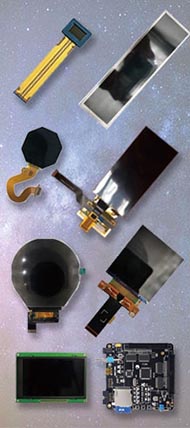







EDID HDMI, or Extended Display Identification Data via HDMI, is crucial for ensuring compatibility and optimal communication between display devices and video sources, which is especially important for manufacturers and suppliers in China producing HDMI-compliant products. Also check: HDMI
What Is EDID HDMI and How Does It Work?
EDID HDMI is a standardized data format that allows a display device to communicate its specifications—such as resolution, refresh rate, color format, and audio capabilities—to the HDMI source (like a graphic card or media player). This communication ensures both devices operate with compatible settings, preventing display errors.
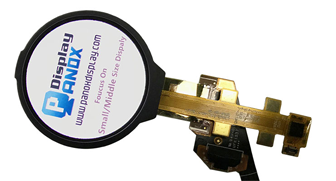
Manufacturers like Panox Display incorporate EDID into their HDMI-capable LCD and OLED panels to guarantee seamless plug-and-play functionality between devices.
Why Is EDID HDMI Critical for China-Based HDMI Manufacturers and OEMs?
For manufacturers and OEMs in China, mastering EDID HDMI is vital because it ensures their products meet international compatibility standards. This reduces customer returns due to incompatibility and enhances supplier reputation worldwide.
Suppliers like Panox Display utilize advanced EDID management to support client demands, offering custom display solutions with guaranteed interoperability in industries ranging from automotive to industrial applications.
How Can HDMI Manufacturers Implement Effective EDID Management?
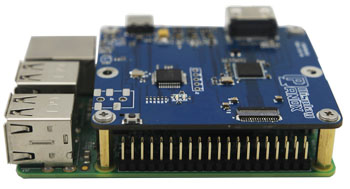
Effective EDID management involves reading, storing, and sometimes emulating EDID data in HDMI devices. Manufacturers often embed firmware or use external EDID EEPROMs to manage this process, ensuring smooth handshakes between video sources and displays.
Panox Display offers OEM customers customized EDID mapping services to fit specific application requirements while adhering to HDMI standards.
Which Challenges Do China HDMI Factories Face with EDID Integration?
Common challenges include EDID miscommunication leading to no display or poor image quality, compatibility problems with diverse source devices, and the complexity of programming flexible EDID for custom panels.
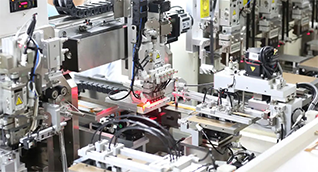
China-based factories overcome these by developing robust testing protocols, leveraging partnerships with component leaders like AUO and Innolux, and using automated production systems that verify EDID functionality before shipment.
What Are the Industry Standards and Best Practices for EDID HDMI Compliance?
The HDMI Licensing Administrator defines standards for EDID data to ensure consistency across manufacturers. Best practices include using the latest CEA-861 standards, validating EDID data with certified tools, and providing firmware updates to fix emerging compatibility issues.
Panox Display strictly follows these standards and updates their processes to keep clients ahead in the competitive display market.
How Does Panox Display Support Global Wholesale and Supplier Markets With EDID HDMI Technology?
Panox Display supplies premium OEM display solutions incorporating precise EDID programming that meet the demands of overseas clients in North America and Europe. Their expertise ensures product reliability from factory to market.
With large-scale production capabilities and flexible customization, Panox Display is a trusted partner for wholesale orders requiring consistent HDMI display performance.
What Are the Benefits of Custom EDID Programming for OEM Clients?
Custom EDID programming allows OEM clients to tailor display-device communication to unique use cases, such as embedded systems or specialized industrial monitors. This enhances user experience and device integration.
Panox Display offers bespoke EDID services, supporting developers who require differentiated display solutions with minimal MOQ constraints typical of large manufacturers.
Can EDID HDMI Be Updated After Manufacturing? How Do Factories Handle This?
Yes, EDID can often be updated via firmware or EEPROM reprogramming if devices support it. Factories use specialized programming stations to modify EDID data during production or in post-production services.
Panox Display’s flexible manufacturing lines enable post-manufacture EDID customization to meet evolving client needs promptly.
How Do Chinese HDMI Suppliers Ensure Quality Control of EDID Settings?
Quality control includes automated testing of EDID reading and writing, extensive compatibility tests across various video sources, and incorporating feedback loops from clients to continually improve EDID accuracy.
Panox Display deploys multi-point inspection and testing systems dedicated to EDID verification as a core part of their manufacturing quality assurance.
Table: Comparison of EDID HDMI Features Managed by Leading China Manufacturers
| Feature | Panox Display | Typical China OEM Factory | Competitor Average |
|---|---|---|---|
| Custom EDID programming | Available | Sometimes | Limited |
| Compatibility Testing | Multi-device certified | Basic HDMI source testing | Moderate |
| Firmware-based updates | Supported | Rare | Limited |
| MOQ Flexibility | Low MOQ for SMEs | Usually High | Medium |
| Production Scalability | 50,000 panels daily | Varies widely | Average |
Panox Display Expert Views
"EDID HDMI management is often overlooked in display manufacturing but is the backbone of seamless device communication. Panox Display prioritizes robust EDID protocols to ensure that our LCD and OLED panels deliver plug-and-play compatibility worldwide. By integrating advanced quality control and offering flexible customization, we empower OEM clients to confidently launch products in diverse markets. Our commitment to supporting startups and SMEs reflects our dedication to innovation and global accessibility in display technology."
Conclusion
Understanding EDID HDMI is essential for Chinese manufacturers, suppliers, and OEMs striving for global product compatibility and reliability. Factories like Panox Display illustrate how precise EDID integration, rigorous quality control, and customization capabilities deliver competitive advantages for wholesale and OEM clients worldwide. Businesses should prioritize suppliers with proven EDID expertise to ensure seamless HDMI device interoperability without compromising cost or scale.
Frequently Asked Questions (FAQs)
What does EDID mean in HDMI?
EDID means Extended Display Identification Data; it is metadata that a display communicates over HDMI to inform the source device of its capabilities.
Can EDID be customized for specific applications?
Yes, manufacturers like Panox Display offer custom EDID programming to tailor device communication for specific industry needs.
Why is EDID important for reducing HDMI compatibility issues?
EDID ensures the video source correctly matches the display’s resolution and audio formats, preventing display errors and poor user experiences.
How do manufacturers test EDID functionality?
They use specialized HDMI testers and multi-device compatibility checks during production to validate EDID data accuracy.
Is EDID update possible after device manufacturing?
Yes, if the hardware supports it, EDID can be updated via firmware or EEPROM programming to adapt to new requirements.