



For the past five years, the conversation around flexible display technology has been dominated by a single form factor: the foldable smartphone. While devices like the Galaxy Z Fold series normalized the idea of bending glass, 2026 marks a pivotal shift in the industry. We are moving beyond the simple "open and shut" mechanic of handheld devices into an era where display technology integrates seamlessly into our environment, our vehicles, and even our clothing.
The innovations showcased at CES 2026 have proven that Flexible OLED is no longer just about making phones smaller; it is about liberating screens from rigid rectangular frames entirely. This year, the most significant advancements are happening in automotive cockpits, transparent interfaces, and the breakthrough category of stretchable "digital skin."
1. The Automotive Revolution: Slidable and Pillar-to-Pillar Screens
The most immediate and commercially viable application of next-generation flexible OLEDs is currently happening inside electric vehicles (EVs). Automakers are moving away from the "tablet glued to the dashboard" aesthetic toward immersive, integrated display surfaces.
From Static to "Pillar-to-Pillar" (P2P)
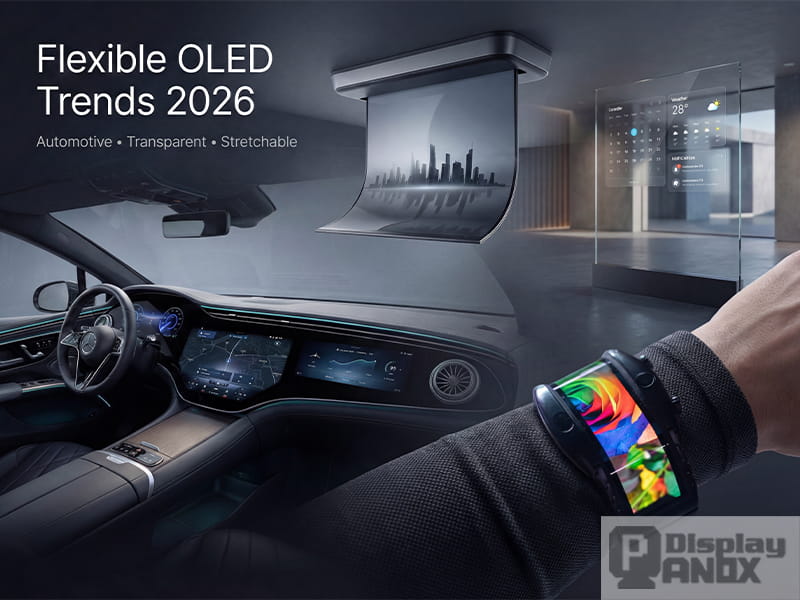
The defining trend for 2026 luxury vehicles is the Pillar-to-Pillar (P2P) display. These are massive, single-piece curved OLED panels that stretch across the entire width of the dashboard, combining the driver’s instrument cluster, the center infotainment system, and the passenger’s entertainment screen into one seamless unit. Unlike LCDs, flexible OLEDs can curve to match the interior contours of the vehicle, offering perfect blacks and high contrast without the need for a bulky backlight unit. This allows for thinner, lighter dashboards that improve vehicle range by reducing weight.
The "Hidden" Cinema: Slidable OLEDs
Perhaps the most futuristic development is the commercialization of Slidable OLEDs in the automotive space. Manufacturers like LG Display have introduced concepts where the screen is stored rolled up in the vehicle's ceiling or rear seat structure. When the vehicle is in autonomous mode or parked for charging, a 30+ inch OLED panel effectively "unrolls" downwards, transforming the cabin into a mobile theater. This solves a critical safety issue: it removes the distraction of a massive screen when the driver needs to focus on the road, deploying the display only when it is safe and necessary.
rowse our selection of industrial-grade Flexible OLEDs ready for immediate shipment.
2. The Physics Breakthrough: Stretchable Displays (The "Digital Skin")
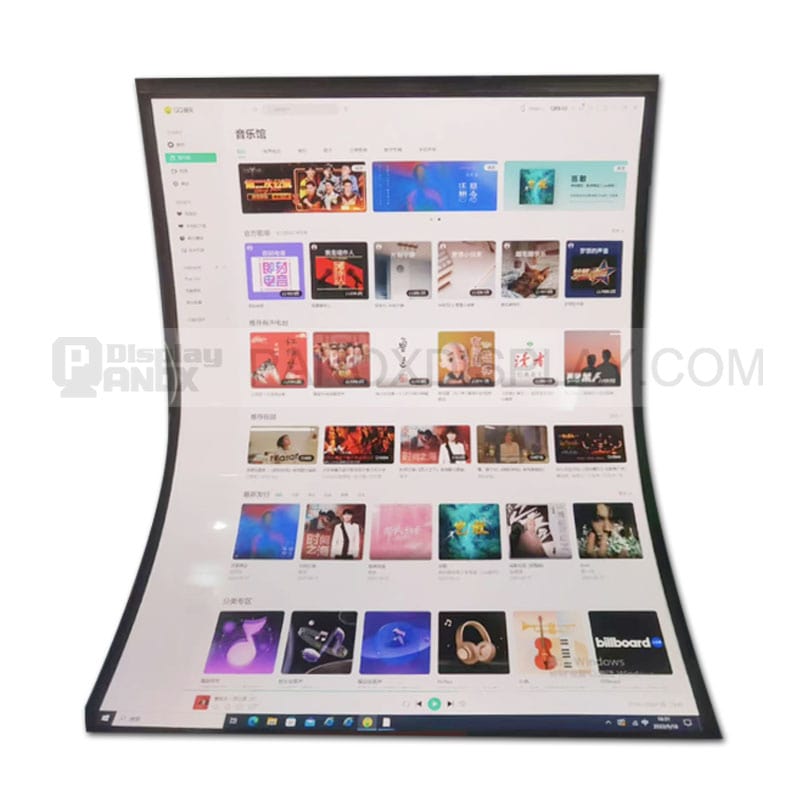
While flexible screens bend, Stretchable Displays can actually deform, twist, and elongate. This technology has historically been stuck in the "prototype" phase due to low resolution and durability issues, but 2026 has seen a massive leap in performance.
Breaking the 50% Elongation Barrier
The headline achievement this year is the development of panels capable of a 50% elongation rate. This means a 12-inch screen can be physically stretched to 18 inches without damaging the pixels or distorting the image quality. This is achieved by moving away from traditional plastic substrates to specialized silicon materials—similar to those used in contact lenses—combined with micro-LED or mini-LED light sources wired with spring-like structures.
Wearable Integration
This durability allows for true "Wearable IT." We are not talking about smartwatches, but smart textiles. Firefighters and industrial workers can now wear uniforms with integrated stretchable screens that display real-time oxygen levels or navigational data directly on the sleeve. Because the screen stretches with the fabric, it does not hinder movement or break under physical stress. This shifts the paradigm of a display from a "device you hold" to a "surface you wear."
3. The Aesthetic Shift: Transparent OLEDs in Retail and Home
Transparent OLED (TOLED) technology creates a bridge between the digital and physical worlds without the need for bulky AR headsets. By eliminating the opaque back layer found in traditional screens, these pixels emit light while allowing light to pass through the transparent intervals between them.
Spatial Computing Without Headsets
In 2026, we are seeing high-transparency panels (exceeding 45% transparency) moving into high-end retail and public transit. Luxury storefronts are utilizing these layers to overlay pricing, sizing, and promotional videos directly in front of physical mannequins. In the home, "Invisible TVs" are gaining traction; when turned off, the TV looks like a clear pane of glass or blends into a shelf unit, eliminating the "black void" that dominates most living rooms.
This technology relies heavily on Micro-Lens Array (MLA) advancements to boost brightness. Since transparent screens cannot rely on a reflective backplane to push light forward, newer models use microscopic lenses to direct more light toward the viewer, ensuring the image remains vibrant even in well-lit environments.
The Engineering Reality: Durability and Cost Challenges
Despite the excitement, the transition from rigid to free-form displays faces significant hurdles. The primary concern remains mechanical longevity. While a foldable phone is rated for 200,000 folds, a stretchable display on a piece of clothing faces multidirectional stress—twisting, pulling, and impact—which is far more chaotic and damaging than a simple hinge movement.
Furthermore, the manufacturing yield for these advanced forms remains lower than standard OLEDs. The process of depositing organic materials onto a silicon substrate that must endure 50% elongation requires extreme precision. Until production yields stabilize, these technologies will likely remain exclusive to premium EVs, high-end industrial gear, and luxury home installations. However, as the supply chain matures throughout 2026, we can expect the "flexible" revolution to finally move beyond the phone in your pocket and into the fabric of the world around you.
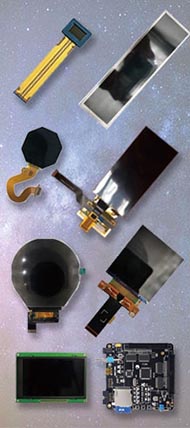
Check out our full catalog of high-performance Flexible OLED panels available for prototyping.
| Model | Size(inch) | Display Type | Resolution | Interface |
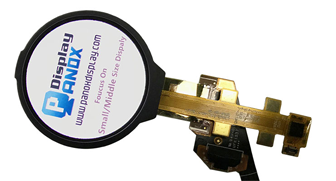
| 1.39 inch Round/Circular OLED Flexible For Wearable Smartwatch | 1.39 | AMOLED | 400(RGB)×400 | MIPI |
| 1.5 inch Flexible OLED For Wearable Smart Watch | 1.5 | AMOLED | 120(RGB)×240 180PPI | SPI, MIPI |
| 1.8 inch Flexible PMOLED For Wearable Bracelet | 1.8 | PMOLED | 160×32 | SPI |
| 5.1 inch Flexible OLED On-Cell PACP For Cellphone | 5.1 | AMOLED | 720(RGB)×1520 330PPI | MIPI |
| 5.99 inch Flexible OLED On-Cell PACP For Cellphone | 5.99 inch | AMOLED | 1080(RGB)×2160 329PPI | MIPI |
| 5.99-Inch 1440x2880 Flexible AMOLED Display | BOE OLED for Huawei Smartphone | 5.99 | AM-OLED, OLED | 1440 x 2880 | MIPI |
| 6.52 inch Flexible OLED 2520x840 Touch Panel | 6.52 | AM-OLED, OLED | 2520(RGB)×840 407 PPI | MIPI |
| 6.67inch Flexible AMOLED 2K for Smartphone | 6.67 | OLED, AM-OLED | 1080x 2400 | MIPI |
| 7.8 inch Flexible Full Color OLED 1920x1440 MIPI | 7.8 | AMOLED | 1440 x 1920 | MIPI |
| 8 inch Flexible/Foldable OLED | 8.01 | AMOLED | 2480x1860 | MIPI |
| 13.3 inch 1536 x 2048 Flexible OLED Touch Screen | 13.3 | AM-OLED, OLED | 1536 (H) × 2048 (V) | eDP |