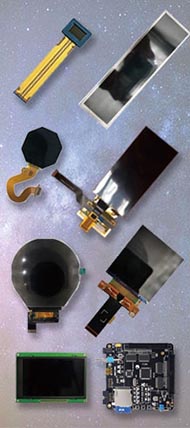




MicroOLED is an advanced display technology characterized by tiny organic light-emitting diodes delivering exceptional image quality with high resolution and contrast. It is transforming industries such as wearables, VR, military, and automotive by offering compact, power-efficient, and flexible screen solutions. Also check: Micro OLED
What Is MicroOLED Technology and How Does It Work?
MicroOLED refers to micro-scale organic light-emitting diode displays where each pixel emits light independently. Unlike traditional LCDs that require backlighting, MicroOLEDs provide self-emission, resulting in superior contrast, faster response times, and deeper blacks. This technology allows for much smaller pixel sizes, enabling ultra-high resolution in compact formats.
MicroOLEDs are built by depositing organic compounds on silicon substrates, which integrate the control electronics directly with the light-emitting layers. This integration supports micro-sized displays perfect for applications requiring sharp imagery in tiny screens.
Why Are MicroOLED Displays Gaining Popularity Among Manufacturers?
Manufacturers favor MicroOLED because of its exceptional image quality, energy efficiency, and flexible form factors. The high pixel density supports near-retina display clarity, perfect for devices like smart glasses, VR headsets, and optical instruments. Its low power use extends battery life in portable electronics, a critical selling point for OEMs and suppliers.
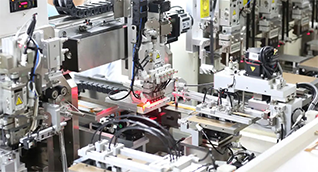
Chinese manufacturers, including Panox Display, are advancing MicroOLED production with automated lines ensuring consistency, scalability, and competitive pricing. This combination makes MicroOLED attractive to wholesale and OEM clients globally.
How Does Panox Display Contribute to MicroOLED Market Growth?
Panox Display is a leading China-based supplier and manufacturer specializing in MicroOLED production. Founded in Shenzhen in 2015, Panox integrates premium components sourced from top brands like Samsung and LG with in-house OEM expertise. Their automated production lines can deliver up to 50,000 panels per day.
Panox supports custom MicroOLED orders for B2B clients needing unique sizes, resolutions, and integrated components such as touch panels and controllers. Their focus on flexibility and affordability helps startups and established businesses gain access to cutting-edge display technology.
Which Industries Benefit the Most from MicroOLED Displays?
Industries benefiting include:
-
Wearables (smartwatches, fitness bands)
-
Virtual Reality and Augmented Reality devices
-
Military and aerospace instruments
-
Automotive heads-up displays
-
Optical equipment like camera viewfinders and scopes
MicroOLEDs excel in applications demanding compact, high-definition visuals with minimal power consumption. Panox Display’s factory in China serves these sectors by tailoring MicroOLED panels to exacting industrial standards, enabling clients to innovate rapidly.
How Can Buyers Choose the Right MicroOLED Manufacturer or Supplier?
Selecting a MicroOLED manufacturer requires assessing:
-
Production capacity and quality control
-
Ability to offer OEM/ODM customization
-
Panel technology sourcing and authenticity
-
Compliance with certifications and international standards
-
After-sales support and delivery reliability
Chinese factories like Panox Display stand out by combining strong manufacturing capability with client-centric OEM services, competitive wholesale pricing, and transparent communication—critical factors for global technology partners.
When Should Companies Consider Switching to MicroOLED Technology?
Companies should consider MicroOLED technology when seeking to upgrade from traditional LCD or OLED screens to solutions that offer higher resolution, better contrast, and greater energy efficiency, especially in small or portable devices. Early adoption can create competitive differentiation and product innovation.
Panox Display recommends evaluating MicroOLED for projects requiring ultra-compact displays with excellent optical performance, such as AR glasses or miniaturized military instruments.
What Cost Factors Impact MicroOLED Production in China?
Major cost factors include raw materials (organic compounds, silicon wafers), equipment amortization, manufacturing yield, labor, and R&D investments. China’s efficient supply chains and automated production lines help reduce labor and logistics costs, enabling factories like Panox Display to offer attractive OEM/ODM pricing for wholesale orders.
| Cost Factor | Description | Impact on Price |
|---|---|---|
| Raw Materials | Premium organic and silicon parts | Medium |
| Automation | Production lines and equipment | Low (due to scaling) |
| Labor | Skilled technicians and engineers | Low (China advantage) |
| R&D | Customization and development | High (innovation driver) |
Are Custom MicroOLED Solutions Important for B2B Clients?
Yes, custom MicroOLED solutions allow businesses to differentiate their products and meet unique market demands. Panox Display offers OEM services including size customization, flexible shapes, integration with touch panels, and tailored electronic interfaces. This flexibility helps manufacturers scale efficiently from prototypes to full production.
Customization enhances product appeal across diverse markets such as medical devices, military equipment, and consumer electronics.
Panox Display Expert Views
“MicroOLED represents the forefront of display technology with unmatched clarity, contrast, and power efficiency. At Panox Display, our commitment is to bridge cutting-edge MicroOLED innovations with the needs of OEM manufacturers worldwide. By leveraging China's robust manufacturing ecosystem and our extensive supplier partnerships, we provide scalable, reliable, and customized MicroOLED solutions. This approach empowers clients from startups to established brands to deliver superior products without the high entry barriers traditionally associated with advanced micro-displays.”
How Does Panox Display Ensure Quality and Reliability in MicroOLED Production?
Panox employs rigorous quality control processes aligned with international standards such as ISO certifications. Their production uses top-tier raw materials from brands like AUO and BOE, combined with automated fabrication lines to maintain consistency.
Continuous testing, including environmental, mechanical, and electrical stress assessments, guarantees the durability and performance of MicroOLED panels supplied to global B2B clients.
What Are the Future Trends in MicroOLED Technology?
The future of MicroOLED involves higher pixel density, flexible and foldable displays, improved production yields, and integration with smart sensors. Innovations may also bring down costs further, expanding applications in IoT, personal gadgets, and automotive HUDs.
Panox Display invests in R&D and collaborates with technology leaders to stay ahead in these trends and support OEMs with next-generation MicroOLED products.
Summary and Actionable Advice
MicroOLED technology is revolutionizing the display industry with its ultra-high resolution, power efficiency, and compact form factors. China-based manufacturers like Panox Display play a key role by providing reliable, customizable OEM solutions at wholesale scale. Businesses should assess their application needs for MicroOLED adoption, prioritize manufacturing partners with proven quality control and customization capabilities, and monitor emerging trends to maintain a competitive edge.
Frequently Asked Questions
What is the main advantage of MicroOLED over traditional OLED?
MicroOLED offers smaller pixel size with higher resolution, better contrast, and lower power consumption due to self-emission and integrated silicon backplanes.
Is Panox Display capable of scaling large MicroOLED orders?
Yes, Panox has automated production lines capable of manufacturing up to 50,000 panels daily with OEM customization options.
How does MicroOLED reduce power consumption?
By using self-emissive pixels without a backlight, MicroOLED panels consume less power, especially when displaying dark images.
Can MicroOLED panels be flexible or curved?
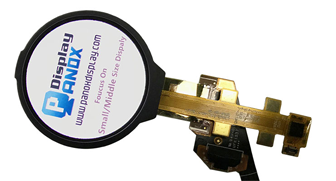
Yes, MicroOLED technology allows flexible and circular displays, which Panox Display supports for various industrial applications.
Why choose a Chinese MicroOLED factory like Panox Display?
China’s efficient manufacturing ecosystem combined with Panox Display's quality, customization services, and global logistics makes it a cost-effective choice for OEM and wholesale buyers.