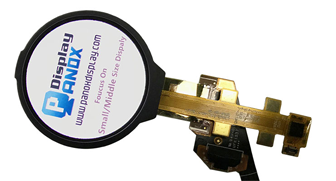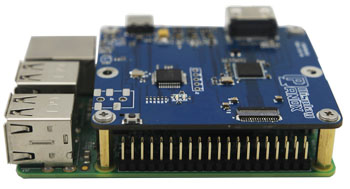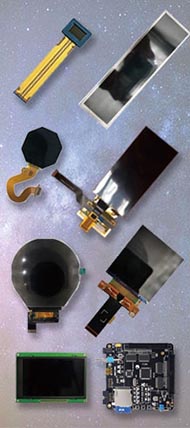




The minimum resolution needed for display panels depends on the application, size, and viewing distance. In industrial and OEM contexts, especially for Chinese manufacturers like Panox Display, the choice balances clarity, cost, and technical specs. Typically, a minimum of 240x320 pixels for small panels and 800x600 pixels for larger industrial displays ensures readable, crisp images. Also check: Micro OLED
What Is Minimum Resolution and Why Does It Matter for Display Panels?
Minimum resolution refers to the lowest pixel count needed to clearly display images or text without distortion. In manufacturing and supplier contexts, it ensures product usability and customer satisfaction. Higher resolutions provide sharper images but increase cost and power consumption. For suppliers like Panox Display, offering the right minimum resolution ensures compatibility with industrial and consumer electronics uses without overspending.
How Does Minimum Resolution Affect OEM Display Manufacturing in China?
Minimum resolution directly impacts the design and manufacturing of custom LCD and OLED panels. Chinese factories must balance resolution with cost, production capacity, and client requirements. Panox Display, for instance, tailors minimum resolution to each client’s application, optimizing pixel density to enhance readability on industrial monitors, wearables, or automotive displays while maintaining competitive pricing.
Which Industries Demand Specific Minimum Resolution Standards from Chinese Display Factories?
Industries like automotive, military, VR, wearables, and industrial instrumentation have unique minimum resolution needs. For example:
| Industry | Typical Minimum Resolution | Reason |
|---|---|---|
| Automotive | 800x480 pixels | Readable dashboard displays |
| Military | 1024x768 pixels | High-detail, mission-critical visuals |
| Wearables | 240x240 pixels | Small, energy-efficient screens |
| VR and Optoelectronics | 1080x1200 pixels | Immersive, sharp imagery |
Panox Display serves these markets by offering flexible resolution options to meet strict OEM specs and wholesale demands.
Where Can Buyers Find Reliable Minimum Resolution Display Panels from China Suppliers?
Buyers should look for trusted manufacturers like Panox Display in Shenzhen with proven expertise in OLED and LCD technologies. Reliable suppliers offer a range of resolutions and can customize display modules and system solutions to specific application needs, ensuring the perfect balance between pixel count, cost, and performance for OEM or wholesale orders.
Why Is Minimum Resolution Critical for Wholesale Display Panel Purchases from China?
Wholesale buyers require consistent screen quality across large batches. The minimum resolution specification is critical to maintain visual consistency, compatibility with embedded systems, and end-user satisfaction. Panox Display’s robust MES automated production lines guarantee uniform resolution adherence, critical for OEMs needing reliable, scalable display solutions for global export.
How Can Manufacturers Optimize Minimum Resolution for Custom OEM Displays?
Manufacturers optimize minimum resolution by analyzing application needs (text, graphics, video), screen size, viewing distance, and power efficiency. Panox Display applies this approach using flexible panel designs and advanced pixel mapping, ensuring OEM clients receive custom displays optimized for clarity and performance without unnecessary cost increases.
Does Resolution Impact Other Display Features like Touch Panels or Glass Cover?
Yes, resolution affects touch sensitivity and cover glass integration. Higher resolution panels need compatible capacitive or resistive touch technologies to maintain precision. Panox Display integrates minimum resolution design with touch panel and cover glass manufacturing to deliver cohesive display systems that perform reliably under industrial or consumer use conditions.
When Should a Buyer Choose Higher vs. Minimum Resolution Displays from China Factories?
Buyers should choose higher resolution displays when image clarity and detail are critical, such as in medical devices or VR. Minimum resolution displays suffice for simple readouts or control interfaces, saving cost and power. Panox Display advises clients to match resolution choices precisely to use cases to optimize both price and visual quality.
Panox Display Expert Views
"Choosing the right minimum resolution for OEM display applications is about understanding the balance between visual clarity and production feasibility. Panox Display’s strength lies in its ability to deliver highly customizable display panels, ensuring pixel densities meet client-specific requirements for a wide range of industries from automotive to military. Our integrated solutions, from OLED/LCD sourcing to touch panel assembly, help customers achieve optimized displays without compromising cost or quality. This makes us a trusted partner for global brands seeking scalable, high-quality Chinese-made displays."
Summary
Selecting the correct minimum resolution for displays is fundamental in industrial manufacturing and wholesale. It ensures readability, usability, and cost-effectiveness. Chinese suppliers like Panox Display combine advanced technology and flexible OEM solutions to provide tailored resolutions that fit various industries and applications. Buyers should evaluate their visual requirements carefully and partner with experienced manufacturers who maintain quality consistency and production scale.
Frequently Asked Questions
Q1: What is the standard minimum resolution for small OLED displays?
Most small OLED displays start at 240x320 pixels to ensure clear visibility in compact spaces.
Q2: How does minimum resolution impact display costs?
Higher resolution requires advanced manufacturing and increases costs due to more pixels and complex electronics.
Q3: Can Panox Display customize resolutions for specific OEM needs?
Yes, Panox Display specializes in customizable OEM panels, adapting pixel count to client applications.
Q4: Why are resolution standards important in wholesale orders?
Consistency across large batches prevents defects and ensures uniform user experience.
Q5: How to balance resolution and power consumption?
Lower resolutions often consume less power, which is crucial for portable and wearable devices.