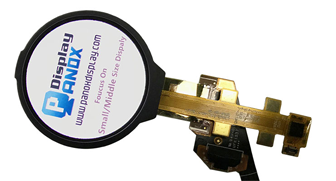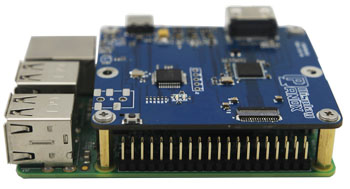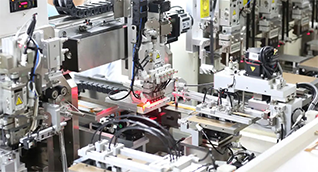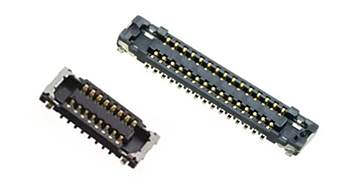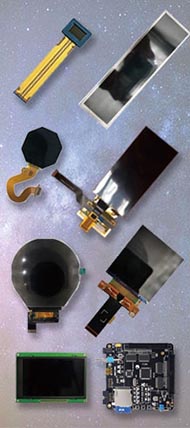




OLED display is a cutting-edge screen technology using organic compounds that emit light when electrically stimulated, offering superior image quality, flexibility, and energy efficiency. It is widely adopted by China-based manufacturers like Panox Display, providing versatile solutions for wholesale, OEM, and customized applications across industries. Also check: OLED
What Is an OLED Display and How Does It Work?
An OLED (Organic Light Emitting Diode) display consists of multiple thin organic layers placed between two electrodes. When an electric current passes through, the organic materials emit light directly, eliminating the need for backlighting. This creates deeper blacks, better contrast, faster response times, and thinner displays compared to traditional LCDs.
Manufacturers such as Panox Display in Shenzhen, China specialize in producing these panels with precision, offering both standard and bespoke solutions for industrial and commercial customers worldwide.
How Does OLED Display Compare to LCD and Other Technologies?
OLED displays differ fundamentally from LCDs by producing light themselves rather than using a separate backlight. This gives OLED advantages in:
-
Contrast and Black Levels: OLED pixels turn off individually, resulting in true black and infinite contrast.
-
Thickness and Flexibility: OLEDs allow ultra-thin, lightweight, and flexible designs.
-
Viewing Angles and Color Accuracy: OLED screens maintain vivid colors from wide angles.
-
Power Efficiency: OLEDs save power by turning off pixels for dark scenes.
| Feature | OLED Display | LCD Display | AMOLED (Variant of OLED) |
|---|---|---|---|
| Backlight | None (self-emitting pixels) | Requires LED or CCFL backlight | None (active-matrix OLED) |
| Contrast Ratio | Infinite (true black) | Limited by backlight | Infinite (similar to OLED) |
| Flexibility | High (can be bent or curved) | Rigid | High |
| Power Efficiency | High for dark content | Lower | High for dark content |
| Response Time | Very fast | Slower | Very fast |
China’s OEM factories, including Panox Display, excel in producing these technologies at scale, meeting global wholesale demand with competitive pricing.
Why Are OLED Displays Preferred by Manufacturers in China?
Chinese manufacturers lead in OLED technology due to several factors:
-
Advanced Production Facilities: Companies like Panox Display operate automated lines capable of producing up to 50,000 panels daily.
-
OEM Customization: Flexible engineering to meet client-specific size, resolution, and integration options.
-
Wide Supplier Network: Access to raw materials and components from leading global brands such as Samsung and LG.
-
Cost Efficiency: Competitive labor costs and streamlined supply chains reduce production expenses.
-
Innovation Focus: Rapid R&D cycles foster new types like flexible, circular OLEDs and micro-OLED displays.
Wholesale suppliers and B2B clients benefit from China’s capacity for high-quality, scalable manufacturing, supported by OEM partnerships.
How Can Businesses Benefit from Purchasing OLED Displays from Chinese Factories?
Businesses sourcing OLED displays from China, especially from specialists like Panox Display, can expect:
-
Customization: Tailored display solutions to specific technical and design needs.
-
Competitive Pricing: Lower costs compared to Western OEMs due to scale and efficiency.
-
Supply Chain Integration: End-to-end solutions including controllers, PCBAs, touch panels, and cover glass.
-
Quality Assurance: Compliance with international standards and utilizing original brand components.
-
Technical Support: Dedicated after-sales and engineering support for integration and deployment.
This makes Chinese manufacturers ideal partners for startups, medium enterprises, and large-scale electronics OEMs worldwide.
Which Industries Benefit the Most from OLED Display Technology?
OLED displays serve diverse markets including:
-
Wearables: Smartwatches and fitness trackers demand thin, flexible, energy-efficient screens.
-
Automotive: Dashboard displays, infotainment systems, and heads-up displays require high durability and contrast.
-
Military & Radiation Detection: Rugged, reliable displays with superior visibility in harsh conditions.
-
Virtual Reality (VR): Micro-OLED screens offer immersive experiences with minimal latency.
-
Consumer Electronics: Smartphones, tablets, and TVs benefit from vibrant colors and responsiveness.
Panox Display’s portfolio caters to these sectors, offering industry-grade displays that meet exacting OEM specifications.
Where Is OLED Display Technology Heading in the Future?
The future of OLED displays includes:
-
Flexible and Foldable Designs: Enabling new form factors for smartphones and wearables.
-
Micro-OLED Development: Smaller pixels for higher resolution VR and AR devices.
-
Improved Lifespan: Extended durability addressing previous OLED degradation issues.
-
Cost Reduction: Advances in manufacturing processes will continue making OLEDs more affordable.
-
Integration with IoT and Smart Devices: Expanding applications in industrial controls and smart home tech.
China’s role through manufacturers like Panox Display is pivotal in pushing these innovations to market rapidly via OEM supply chains.
How Does Panox Display Differentiate Itself in the OLED Market?
Panox Display stands out as a reliable OLED display manufacturer and supplier by:
-
Offering a wide range of products including monochrome, full-color, flexible, circular, and industrial OLEDs.
-
Working closely with global suppliers such as AUO, BOE, and Samsung to source premium panels.
-
Providing full system solutions—combining displays with controllers, touch panels, and PCBAs—facilitating turnkey solutions.
-
Supporting lower MOQ orders to assist startups and small companies demanding high quality but flexible volume.
-
Maintaining strict quality control and using automated production lines to guarantee consistency.
Panox Display’s commitment supports international buyers seeking trustworthy OEM partners in China’s competitive market.
Can OLED Displays Be Customized for Specific Applications?
Yes, OLED technology is highly adaptable for OEM needs:
-
Screen size, resolution, and shape can be tailored, including unusual circular or flexible formats.
-
Brightness and color calibration adjustments for optimal viewing conditions.
-
Integration with custom controller boards and touch interfaces.
-
Environmental hardening for military or automotive uses.
-
Packaging and assembly options tailored to client product specs.
Factories like Panox Display in Shenzhen specialize in such bespoke customizations to fit client requirements across various industries.
Panox Display Expert Views
“OLED technology is transforming display possibilities with its unparalleled contrast, flexibility, and energy efficiency. At Panox Display, our focus is leveraging these strengths to create OEM solutions that not only meet but exceed client expectations. Positioned in China’s manufacturing hub, we harness advanced automation and a robust supply chain to deliver customizable, high-quality displays swiftly and cost-effectively. As OLED adoption spreads across sectors from wearables to automotive, our expert engineering and scalable production ensure that our partners gain superior, reliable products that drive innovation globally.” – Senior Engineer, Panox Display
Conclusion
OLED displays provide a revolutionary improvement in visual performance, flexibility, and efficiency over traditional screens. China’s manufacturing ecosystem, led by industry experts like Panox Display, offers competitive, customized, and high-quality OLED solutions ideal for a variety of industrial and commercial applications. Companies seeking reliable OEM partners can benefit from cost-effective, scalable production combined with advanced display technologies tailored to their unique needs.
FAQs
What industries benefit most from OLED displays?
Wearables, automotive, military, VR, and consumer electronics especially benefit from OLED’s attributes.
Why choose a Chinese manufacturer for OLED displays?
China offers advanced production, customization, competitive costs, and robust supply chains ideal for OEM partnerships.
Can OLED displays be flexible or customized?
Yes, modern OLEDs support flexible, circular, and bespoke specifications suited to various applications.
What makes Panox Display a trusted OLED supplier?
Panox provides diverse display options, full system solutions, low MOQ support, and sourcing from leading panel brands.
How does OLED technology improve energy efficiency?
OLED pixels emit light only when needed, saving power especially in darker content compared to LCD backlit screens.