



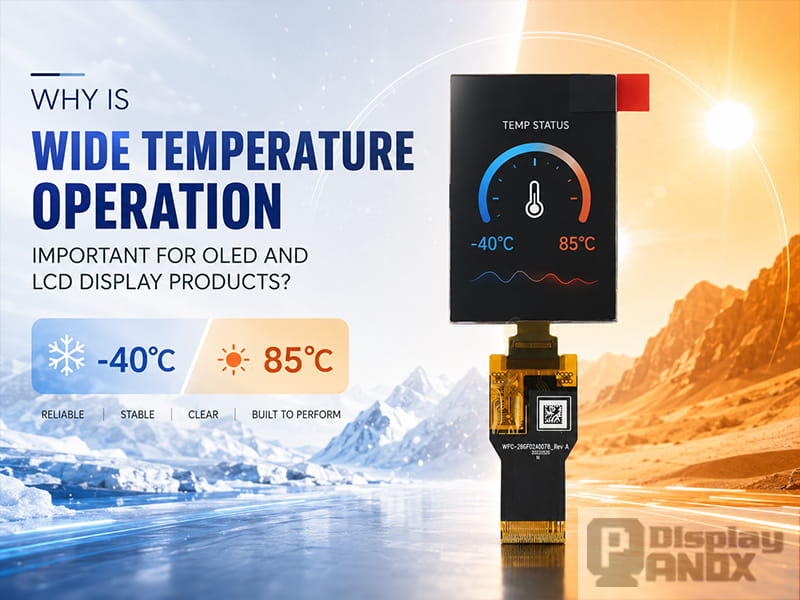
A display may look simple from the outside: a screen, a connector, a touch panel, and a few lines on a product specification sheet. In real applications, however, temperature can decide whether that display feels responsive, stays readable, and remains reliable after months or years of use.
This is why wide temperature operation has become an important selection factor for industrial OLED, LCD, Micro OLED, AMOLED, PMOLED and Memory LCD products. A screen used in a vehicle, a handheld terminal, an outdoor device or a wearable product cannot always stay inside a comfortable room. It may face freezing mornings, direct sunlight, sealed enclosures, body heat, vibration, fast power-on cycles and long service hours.
For engineers, wide temperature operation is not only a “nice-to-have” parameter. It is closely connected with user experience, product reliability, system design and long-term maintenance cost.
1. Temperature Directly Affects Display Performance
Every display technology reacts to temperature in its own way.
For TFT-LCD displays, low temperature can slow the movement of liquid crystal molecules. The screen may show delayed response, ghosting, reduced contrast or visible image lag, especially during cold start. This is a major concern for vehicle displays, outdoor instruments, industrial HMIs and handheld devices used in winter environments.
High temperature brings different risks. LED backlights, polarizers, optical films, adhesives, cover glass bonding layers and driver electronics all work under higher stress. A display installed inside a sealed enclosure or exposed to sunlight may experience a surface or internal temperature much higher than the surrounding air.
OLED and AMOLED displays do not rely on liquid crystal movement, so they often perform better in cold response. This makes them attractive for compact devices that need fast response, high contrast and strong visual clarity in low-temperature environments. Still, OLED products must be evaluated for high-temperature lifetime, image retention, brightness stability and driver reliability.
In short, temperature changes the way a display behaves. A product that looks fine in the office may perform very differently in a vehicle cabin, outdoor kiosk, smart wearable or industrial machine.
2. Wide Temperature Operation Improves Cold-Start Reliability
.jpg)
Cold start is one of the most practical reasons to choose a wide temperature display.
A display does not only need to survive low temperature. It needs to turn on, show useful information and respond properly when the device is powered up in the cold. This matters in applications such as:
-
vehicle dashboards and auxiliary displays
-
outdoor handheld terminals
-
industrial control panels
-
cold-chain logistics equipment
-
smart wearable devices
-
portable test instruments
A standard display may need time to recover before it becomes readable. In some LCD products, cold conditions may cause slow transitions and residual shadows. For safety-related or time-sensitive devices, that delay can affect the whole user experience.
OLED, AMOLED and PMOLED products can be useful in compact cold-start applications because of their self-emissive structure and fast visual response. For example, small OLED modules for handheld devices, wearable bracelets and instruments can provide clear contrast without waiting for a backlight system to warm up.
For larger industrial systems, wide temperature TFT-LCD modules may use optimized liquid crystal materials, suitable backlight structures, heater design or temperature compensation to improve low-temperature operation.
3. It Helps Displays Stay Stable in Hot Environments
Heat is just as important as cold, and sometimes more difficult to manage.
A display can become hot because of external sunlight, internal electronics, LED backlight power, charging systems, vehicle interiors or sealed product housing. In summer conditions, a device placed behind glass or inside a vehicle can quickly reach temperatures that are far beyond normal indoor use.
High temperature may affect:
-
backlight lifetime
-
OLED brightness degradation
-
adhesive and optical bonding stability
-
touch panel performance
-
driver IC reliability
-
connector and FPC durability
-
polarizer and optical film aging
-
color and contrast consistency
This is why wide temperature operation should be considered together with thermal design. A high-brightness LCD may be suitable for outdoor readability, but it also creates more heat. An OLED module may offer excellent contrast, but the designer still needs to manage lifetime and heat dissipation. A Micro OLED display used in an optical engine may be small, but heat can build up inside the optical structure.
The display is part of a system. When the system gets hot, the screen is often one of the first parts the user notices.
4. It Protects User Experience in Outdoor and Rugged Products
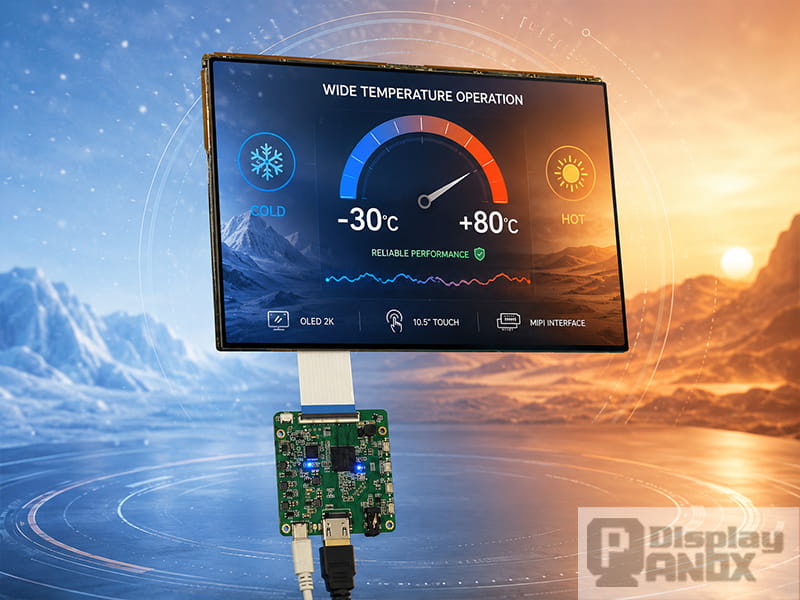
Outdoor products need more than a bright screen. They need stable visual performance across changing conditions.
A display used outdoors may move from morning cold to afternoon heat in the same day. It may face direct sunlight, humidity, dust, vibration and rapid temperature changes. In these products, wide temperature operation supports a more stable user experience.
For example, an outdoor handheld terminal needs the screen to remain readable when the operator checks data in cold storage, under sunlight or near a warm machine. A vehicle-mounted display needs to work after the vehicle has been parked in winter or under summer sun. A wearable display needs to stay clear when worn close to the body, used outside, or charged in a compact housing.
Wide temperature operation reduces the risk of image delay, screen abnormality, interface instability and premature failure. It helps the display feel dependable in the hands of the end user.
5. Different Display Products Need Different Temperature Strategies
Wide temperature operation does not mean every product should use the same display technology. The right choice depends on the product’s purpose.
AMOLED and OLED Displays
AMOLED and OLED displays are suitable for applications that need high contrast, fast response, compact structure and premium visual quality. They are commonly used in wearables, handheld devices, mobile products, instruments and some VR-related systems.
A product such as a small OLED module for wearable or handheld use benefits from fast response and strong black-level performance. For interfaces with icons, status data, watch-style UI or compact dashboards, OLED can deliver a clean and modern visual result.
PMOLED Displays
PMOLED is often used for smaller information displays, instruments and simple control interfaces. It is practical when the screen content is not too complex and the product needs good contrast in a compact module.
TFT-LCD and Industrial LCD
TFT-LCD remains a strong choice for industrial displays, outdoor HMIs, vehicle systems and equipment panels that need larger sizes, stable supply, interface flexibility and high-brightness options.
For industrial LCD projects, wide temperature design often involves the whole module: LCD panel, backlight, cover glass, touch panel, bonding material, driver board and enclosure. The key is not only the panel itself, but whether the complete module can perform reliably in the final environment.
Micro OLED Displays
Micro OLED is important for AR, VR, electronic viewfinders and compact optical engines. These products need high pixel density, fast response and small physical size. Temperature matters because near-eye systems often have limited space for heat dissipation, and even small thermal shifts can affect long-term stability.
For AR/VR applications, the display should be selected together with the optical structure, interface board and thermal path.
Memory LCD and Transflective Display Options
Memory LCD and transflective display technologies can be suitable for low-power outdoor devices, especially when the product shows mostly static content. They are useful for battery-powered meters, sensor terminals and simple information devices where sunlight readability and low power consumption are priorities.
6. Wide Temperature Operation Supports Better Product Design Decisions
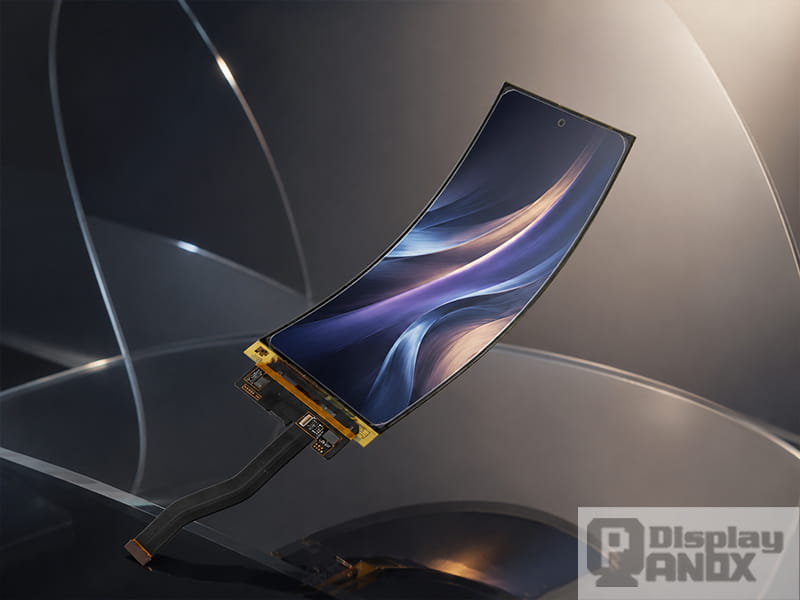
A wide temperature display helps engineers make better design choices early in the project.
Instead of selecting a screen only by size and resolution, product teams can evaluate the real operating environment first. This includes the lowest startup temperature, highest enclosure temperature, sunlight exposure, storage condition, touch requirement, interface, power budget and expected lifetime.
This approach avoids common problems later, such as:
-
choosing a display that looks good indoors but fails outdoors
-
using a backlight that is bright but thermally unstable
-
selecting a touch panel that works at room temperature but becomes unreliable in cold or heat
-
ignoring the adhesive, connector or FPC temperature tolerance
-
treating storage temperature as if it were operating temperature
-
underestimating solar heating in outdoor devices
A good wide temperature display solution considers the complete module from the beginning. This is especially important for custom products where the screen, touch panel, cover lens, driver board and housing must work together.
7. It Reduces Long-Term Maintenance Risk
A display failure can be expensive even when the display itself is small. In industrial or outdoor products, replacement may require field service, downtime, shipping cost and customer support. In vehicle or equipment applications, the cost of failure can be much higher than the cost difference between a standard display and a properly selected wide temperature module.
Wide temperature operation helps reduce these risks by improving stability under real use conditions. It also supports a more professional product image. When a display starts quickly, stays readable and remains stable after repeated temperature changes, the final product feels better built.
For B2B products, this matters. A reliable display can help reduce complaints, strengthen product quality perception and support longer product life cycles.
8. How Panox Display Supports Wide Temperature Display Projects
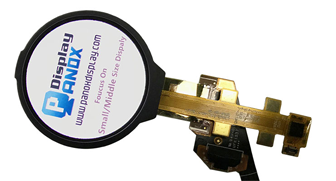
Panox Display provides wide temperature display options across several product categories, including AMOLED, PMOLED, TFT-LCD, Memory LCD, Flexible Display Screen, Micro OLED Display, Mobile Display and Industrial LCD.
This gives engineers more flexibility when choosing a display for different applications. A compact wearable product may need a small AMOLED or flexible OLED. A handheld instrument may need a 2.4 inch or 2.7 inch OLED module with SPI, RGB or MIPI interface. An AR/VR project may require a Micro OLED display with high resolution and compact size. An industrial control system may be better served by a TFT-LCD module with suitable brightness, touch panel and driver board support.
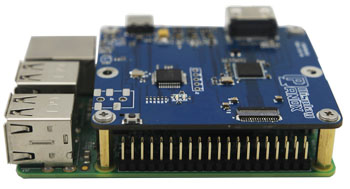
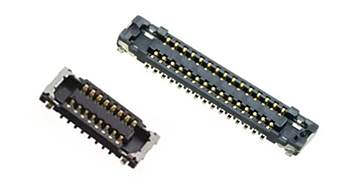
Panox Display can also support related customization services, including cover glass, touch panel, connectors and controller/driver boards. These services are important because wide temperature performance depends on the full display system, not only the display panel.
For example, a project may need:
-
a touch panel suitable for outdoor or industrial use
-
a cover glass with good optical performance
-
a customized FPC or connector solution
-
a controller board for HDMI, Type-C, MIPI, RGB, LVDS or eDP input
-
brightness adjustment for indoor and outdoor use
-
a display module selected for cold-start or high-temperature conditions
By matching the display technology, interface and module structure to the application, Panox Display can help customers build more reliable products for demanding environments.
Final Thoughts
Wide temperature operation is important because displays are often used in places where normal consumer screens are not enough. Cold environments can slow LCD response and affect startup performance. Hot environments can stress backlights, OLED materials, adhesives, touch panels and electronics. Outdoor and rugged applications add sunlight, vibration, enclosure heat and long operating hours.
For product teams, the best display is not always the highest-resolution panel or the brightest screen. The best choice is the display that remains clear, stable and reliable in the real environment where the final product will work.
OLED, AMOLED, PMOLED, Micro OLED, Memory LCD and TFT-LCD each have their own strengths. The right wide temperature solution depends on the application, size, interface, brightness requirement, power budget and reliability target.
If your product needs to work in cold, hot, outdoor, vehicle or industrial environments, choosing a suitable wide temperature display module from the beginning can make the entire system more dependable.
Learn more: What Is a Wide Temperature Display? A Practical Guide for Industrial LCD and OLED Selection
Suggested FAQ Section
Why is wide temperature operation important for displays?
Wide temperature operation helps a display work reliably in cold, hot, outdoor and industrial environments. It affects startup behavior, response time, brightness stability, touch performance, optical materials and long-term reliability.
Why do LCD displays become slow in cold temperatures?
LCD displays use liquid crystal materials to control light. At low temperatures, the liquid crystal movement becomes slower, which can lead to delayed response, ghosting or residual shadows.
Are OLED displays better for low-temperature applications?
OLED and AMOLED displays can perform well in cold environments because they are self-emissive and do not rely on liquid crystal movement. However, high-temperature lifetime, brightness stability and image retention should still be considered.
What products need wide temperature displays?
Common applications include industrial HMIs, vehicle displays, outdoor handheld terminals, smart watches, cold-chain equipment, instruments, AR/VR devices, medical equipment and rugged control panels.
Should I choose OLED or LCD for a wide temperature project?
It depends on the application. OLED is strong for compact, high-contrast, fast-response interfaces. TFT-LCD is suitable for larger displays, high-brightness options and industrial systems. Micro OLED is ideal for near-eye optical applications, while Memory LCD is useful for low-power outdoor devices.