



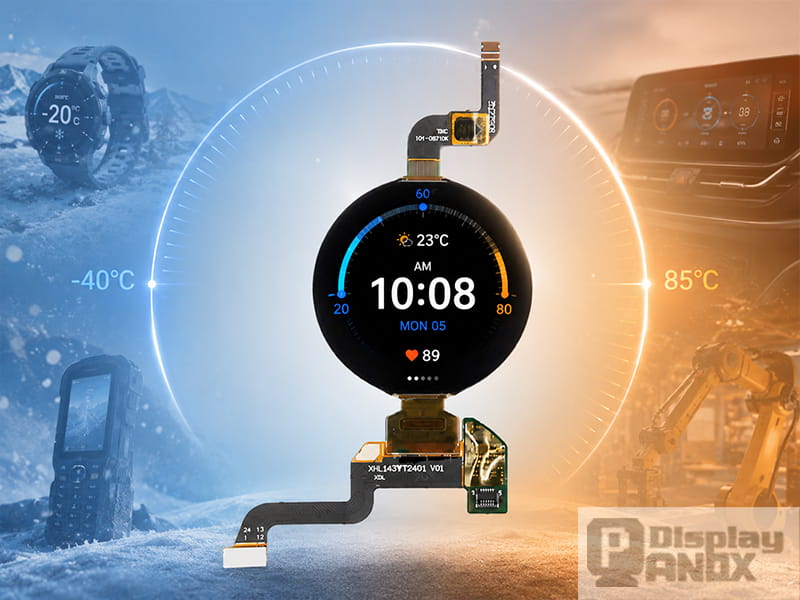
Wide temperature displays are used in products that cannot rely on comfortable indoor conditions. A screen may need to start in a cold warehouse, stay readable in a vehicle under summer sunlight, fit inside a compact wearable, or operate inside a sealed industrial device where heat slowly builds up over time.
For this reason, display selection should begin with the application environment. Size, resolution and interface are important, but they only tell part of the story. A good wide temperature display must also match the way the final product is used: how often it wakes up, how much power it can consume, whether it needs touch, whether the user reads it outdoors, and how much mechanical stress the module may face.
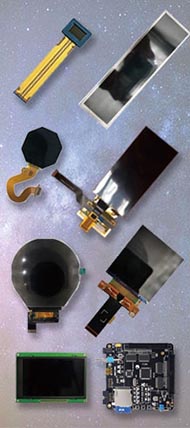
Panox Display offers wide temperature display options across Micro OLED, AMOLED, PMOLED, Memory LCD, TFT-LCD, flexible OLED and industrial LCD categories. The key is to match each technology and each display size to the right product scenario.
Near-Eye and AR Devices: Compact Micro OLED Displays
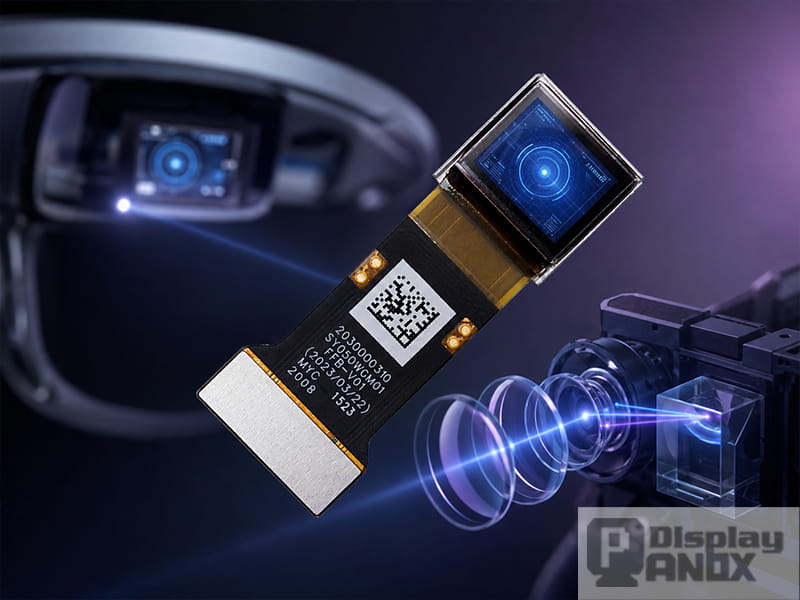
Near-eye products need extremely small displays with high pixel density, fast response and stable image quality. In AR glasses, electronic viewfinders, head-mounted systems and compact optical modules, the screen is placed very close to the eye. Small defects, low resolution or slow response can become very noticeable.
A product such as the 0.5 inch 1600x1200 Micro OLED 1000 cd luminance 120 Hz is a strong fit for this type of application. Its small size makes it suitable for optical engines, while the high resolution supports detailed images in a compact form factor. The 60Hz to 120Hz frame rate range also makes it useful for applications where motion smoothness matters.
For AR and viewfinder systems, wide temperature performance matters because the display is often installed inside a small optical structure. Heat dissipation space is limited, and outdoor use can create sudden temperature changes. A Micro OLED module used in an optical engine should be evaluated together with the lens structure, driver board, enclosure and thermal path.
Typical applications include AR glasses, VR modules, electronic viewfinders, thermal imaging viewers, camera systems and compact inspection devices.
Wearables and Smart Devices: Small Flexible OLED and Memory LCD
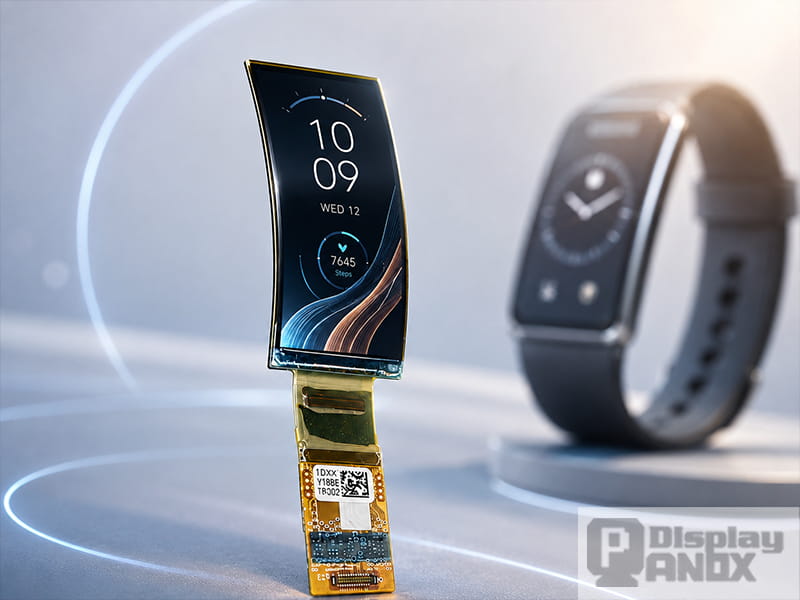
Wearable products have a different set of challenges. The display must be thin, light and power-efficient, while still being readable during outdoor use. It may be exposed to body heat, winter air, sweat, sunlight and repeated charging cycles.
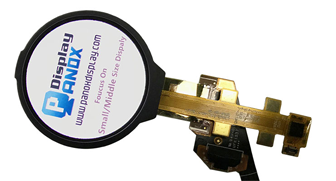
For smartwatch and bracelet products, a 1.5 inch Flexible OLED for Wearable Smart Watch can be used where a slim form factor and modern visual quality are important. A flexible OLED structure gives product designers more freedom when creating compact wearable devices, especially when the screen area needs to follow a curved surface or fit into a narrow housing.
OLED is also useful for wearable interfaces because many screens show dark UI backgrounds, icons, time, fitness data and short notifications. The self-emissive structure allows deep blacks and high contrast, which helps the interface look clear even on a small screen.
For ultra-low-power wearable or outdoor devices, a 1.06 inch Memory LCD or 1.26 inch Memory LCD can also be considered. Memory LCD technology is suitable for static or semi-static information such as time, sensor values, battery level, simple maps or status icons. When the content does not need full-motion graphics, Memory LCD can reduce power consumption and improve battery life.
Typical applications include smartwatches, wearable bracelets, sports sensors, compact medical wearables, outdoor meters and battery-powered status displays.
Handheld Instruments: Fast Response OLED and Low-Power Memory LCD
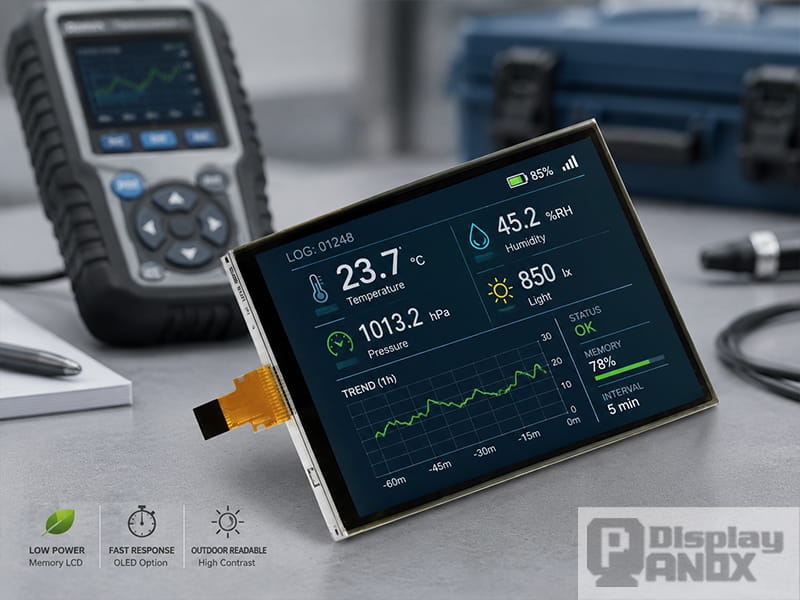
Handheld devices often move between indoor and outdoor environments. A technician may use one terminal inside a factory, then take it outside for field service. A portable instrument may need to start quickly in cold weather, show readings clearly under sunlight, and continue working for hours on battery power.
For high-quality color interfaces, the 2.7 inch Full Color OLED Display 1ms Response Time MIPI DSI 2 Lanes is suitable for compact handheld products. Its 800x600 resolution, MIPI interface and fast response make it a good option for devices that need detailed graphics, smooth UI transitions and strong image contrast. It can be considered for portable industrial devices, GPS units, security terminals, smart home controllers and dynamic information displays.
When the device mainly shows data instead of rich graphics, the 3.2 inch Memory LCD 336x536 SPI becomes a practical alternative. Its reflective display structure and low-power design are useful for outdoor handheld products, electronic price tags, PDAs and field data terminals. In sunlight-heavy environments, a reflective or memory display can sometimes provide a more efficient solution than pushing more backlight power into a standard LCD.
The decision here depends on content. If the product needs rich color, fast interaction and a premium screen feel, OLED is a strong choice. If the product needs long battery life, simple data and outdoor readability, Memory LCD may be more efficient.
Industrial HMIs and Equipment Panels: Stable LCD Modules for Long Operation
Industrial displays are expected to work for long hours. They may be installed in control cabinets, production machines, test equipment, access terminals, automation panels or small HMIs. In these applications, engineers usually care about stability, interface compatibility, viewing angle, backlight lifetime, touch integration and supply continuity.
A 4.3 inch 800x480 IPS-TFT Industrial LCD Display Parallel RGB 24 Bits is a good example of a compact industrial display choice. The 4.3 inch size is large enough for menus, values, icons and simple control pages, while still being easy to integrate into embedded equipment. Its RGB interface can be suitable for MCU-driven products, and the IPS viewing performance helps operators read the screen from different angles.
For industrial products, wide temperature operation should be considered at the module level. The LCD panel, backlight, touch sensor, cover glass, adhesive, FPC, connector and driver board all need to support the final operating conditions. A display may meet the temperature requirement on paper, while the complete device still fails if the enclosure traps heat or the touch panel is not selected correctly.
Typical applications include machine controllers, PLC panels, factory test equipment, navigation units, smart home control panels, security devices and embedded industrial terminals.
Vehicle and Transportation Displays: High Brightness and Environmental Stability
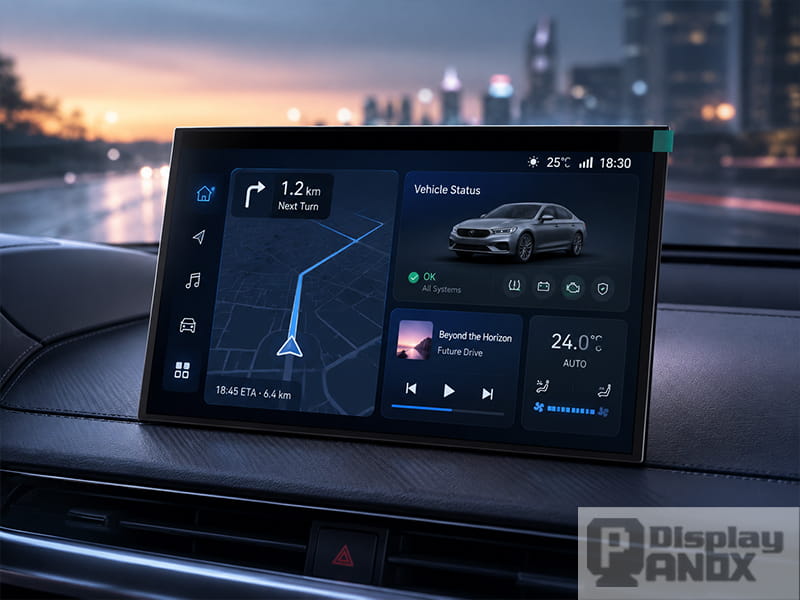
Vehicle displays face cold start, sunlight, vibration and high cabin temperature. A display may be frozen in the morning and heated by sunlight in the afternoon. This makes wide temperature operation especially important for automotive and transportation systems.
The 10.1 inch LCD 1920x1200 for Automobile Console HDMI Board is suitable for larger vehicle and public equipment interfaces. With a 1920x1200 resolution, PCAP touch support and LVDS interface, it can be used in automobile consoles, navigation systems, ATMs, vending machines, trains, subway systems and other public machines. For these products, brightness and thermal stability are closely connected. A screen needs enough luminance for readability, while the module design must also manage the heat created by the backlight and surrounding electronics.
Vehicle applications also require careful mechanical design. The display should be mounted securely, protected against vibration, and tested under the expected temperature range. For dashboard or console products, the user experience depends on fast startup, stable touch response and clear visibility under changing light conditions.
Flexible AMOLED for Mobile and Advanced Handheld Products
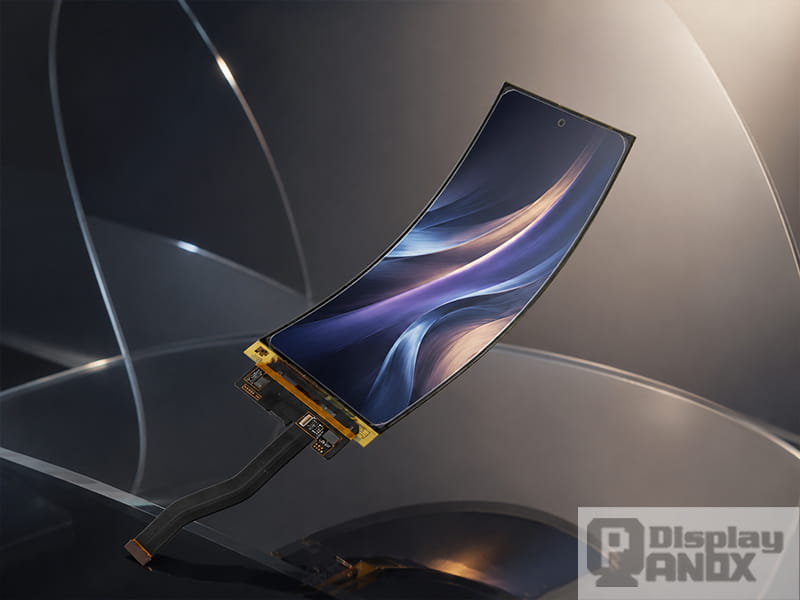
Flexible AMOLED is attractive for mobile devices, curved products, advanced handheld terminals and experimental hardware designs. It can support thin structures, high contrast, wide viewing angles and modern industrial design.
A product such as the 6.67 inch Flexible AMOLED 2K for Smartphone can be used in smartphone projects, curved handheld devices and custom mobile terminals. It offers 1080x2400 resolution, MIPI interface, in-cell PCAP touch and a slim flexible structure. For wide temperature applications, this type of display is useful when the product needs a premium full-screen visual experience while still facing outdoor use or variable operating environments.
Flexible AMOLED should be handled carefully during integration. The bending direction, FPC position, IC area, cover glass, housing support and bonding process all affect reliability. A flexible display can open new design possibilities, but the mechanical design must respect the actual structure of the panel.
Typical applications include smartphones, curved mobile devices, portable multimedia terminals, premium handheld instruments and custom consumer electronics.
High-Resolution Touch Displays for Industrial Tablets and Development Systems
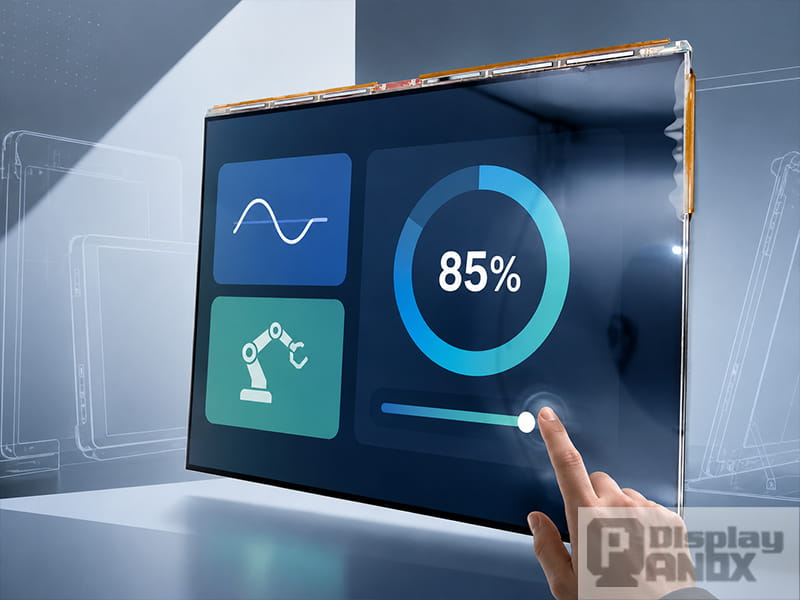
Some products need a larger screen with high resolution and touch input. This includes industrial tablets, control terminals, medical equipment, navigation systems, acoustic equipment, test platforms and high-end development devices.
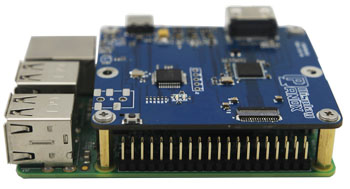
The 10.5 inch OLED 2K Resolution Touch Screen MIPI is suitable for projects that need a large, high-quality OLED display with touch integration. Its 2560x1600 resolution and on-cell PCAP touch structure make it suitable for detailed UI, image preview, data visualization and interactive control panels. With a matching HDMI-to-MIPI controller board, it can also become easier to evaluate with PCs, Raspberry Pi or other development platforms.
For large OLED modules, engineers should pay attention to power, heat, image retention, brightness strategy and content design. A clean UI with reasonable brightness control can help improve the overall product experience and support longer service life.
Matching Application Needs to Display Type
A wide temperature display should be selected according to the real use case. The table below gives a practical starting point.
| Application | Recommended Display Direction | Example Panox Product |
|---|---|---|
| AR, VR, viewfinder, optical engine | High-PPI Micro OLED with compact size and fast response | 0.5 inch 1600x1200 Micro OLED 1000 cd luminance 120 Hz |
| Smartwatch and wearable bracelet | Small flexible OLED or low-power Memory LCD | 1.5 inch Flexible OLED for Wearable Smart Watch |
| Portable industrial terminal | Fast-response full-color OLED or low-power Memory LCD | 2.7 inch Full Color OLED Display 1ms Response Time MIPI |
| Outdoor data display | Reflective / Memory LCD for sunlight readability and low power | 3.2 inch Memory LCD 336x536 SPI |
| Compact industrial HMI | IPS-TFT LCD with RGB interface and stable viewing angle | 4.3 inch 800x480 IPS-TFT Industrial LCD |
| Smartphone or curved mobile product | Flexible AMOLED with MIPI and touch integration | 6.67 inch Flexible AMOLED 2K for Smartphone |
| Vehicle console and public machine | High-brightness LCD with touch and controller board support | 10.1 inch LCD 1920x1200 for Automobile Console |
| Industrial tablet or high-end control panel | Large OLED touch display with high resolution | 10.5 inch OLED 2K Resolution Touch Screen MIPI |
This comparison is only the beginning. The final choice should also consider brightness, interface, power consumption, operating temperature, touch panel, cover lens, mounting structure, driver board and product lifetime.
Why Customization Matters in Wide Temperature Applications
Many wide temperature projects cannot use a bare display panel directly. The display usually needs to become a complete module or semi-finished system before it can be integrated into the final product.
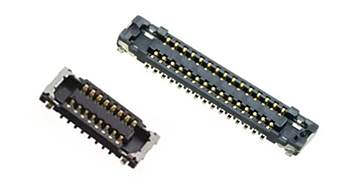
For example, an outdoor handheld terminal may need a cover glass with better surface treatment. A vehicle display may need a PCAP touch panel, stronger mechanical mounting and a controller board. A Micro OLED project may need a compact Type-C or HDMI board for development. An industrial HMI may require a specific connector, FPC length or interface conversion from RGB, LVDS, eDP, MIPI or HDMI.
This is where display customization becomes important. Panox Display can support cover glass, touch panel integration, connectors and controller/driver boards. For application-based selection, these services help engineers move from a panel specification to a working display solution.
Final Thoughts
Wide temperature display applications are diverse. A 0.5 inch Micro OLED for AR has very different requirements from a 10.1 inch vehicle LCD or a 6.67 inch flexible AMOLED. The best display is the one that matches the real operating environment, product structure and user experience target.
For near-eye systems, Micro OLED offers compact size and high pixel density. For wearables, small flexible OLED and Memory LCD can support lightweight, low-power products. For handheld devices, fast-response OLED and reflective Memory LCD serve different design goals. For industrial and vehicle systems, IPS-TFT LCD and high-brightness LCD modules remain practical choices. For larger interactive products, high-resolution OLED touch screens can provide a premium visual experience.
When choosing a display for cold, hot, outdoor, vehicle or industrial environments, start from the application. Define where the product will be used, how it will be read, how it will be powered, and how long it needs to operate. Then select the display technology, size, interface and module structure that fit those conditions.
Panox Display can help engineers and product teams select wide temperature OLED, LCD, Micro OLED, Memory LCD and flexible AMOLED modules for real-world applications.
Learn more:Why Is Wide Temperature Operation Important for OLED and LCD Display Products?
Suggested FAQ Section
What applications need wide temperature displays?
Wide temperature displays are commonly used in AR/VR devices, smartwatches, handheld terminals, industrial HMIs, vehicle consoles, outdoor meters, public machines, medical equipment and rugged electronic products.
Which display is suitable for AR and near-eye applications?
Micro OLED is often suitable for AR, VR, electronic viewfinders and optical engines because it offers compact size, high pixel density, fast response and good image quality in near-eye systems.
Which display is better for outdoor low-power devices?
Memory LCD can be a good option for outdoor low-power devices that mainly show static or simple information. It is useful for meters, handheld terminals, sensor devices and electronic labels.
Can OLED displays be used in industrial or outdoor products?
Yes, OLED and AMOLED displays can be used in selected industrial and outdoor products, especially where high contrast, fast response, thin structure and vivid image quality are important. The final design should also consider heat, lifetime, brightness control and image retention.
Why is a controller board important for display development?
A controller board can make it easier to test and integrate a display with PCs, Raspberry Pi, embedded platforms or development systems. It can also provide functions such as HDMI, Type-C, MIPI, RGB, LVDS or eDP conversion, brightness adjustment and touch support.