



The evolution of display technology has been a relentless pursuit of visual perfection. From the bulky Cathode Ray Tubes (CRTs) of the 20th century to the energy-efficient Liquid Crystal Displays (LCDs), each leap has brought us closer to lifelike imagery. However, the modern era is defined by a fierce rivalry between two self-emissive heavyweights: the established champion, OLED, and the rising challenger, MicroLED.
As consumers demand devices that function as long-term investments rather than disposable commodities, longevity has jumped from the fifth most important purchasing factor in 2018 to the second most important in 2023. This report dives deep into the technical battle for endurance, analyzing why "burn-in" might soon be a thing of the past.
The Core Conflict: Organic vs. Inorganic
To understand longevity, we must first understand the fundamental composition of these displays.
OLED: The Organic Standard
Organic Light-Emitting Diode (OLED) technology revolutionized the industry in the late 1990s by eliminating the need for backlighting. OLED pixels emit their own light, allowing for perfect blacks, thinner form factors, and superior flexibility. This technology currently dominates the premium smartphone and TV markets.
However, OLED relies on organic compounds. Like all organic matter, these materials degrade over time. The primary technical weakness is the differential aging of subpixels; blue organic materials degrade faster than red and green ones, leading to color shifts and reduced brightness.
MicroLED: The Inorganic Evolution
MicroLED represents the next evolutionary step. It utilizes microscopic arrays of inorganic LEDs that are also self-emissive. Because it swaps organic compounds for robust inorganic semiconductor materials, MicroLED offers theoretical advantages that address OLED's Achilles' heel: stability.
Longevity Analysis: The 100,000-Hour Benchmark
The disparity in lifespan is the most significant differentiator between the two technologies.
-
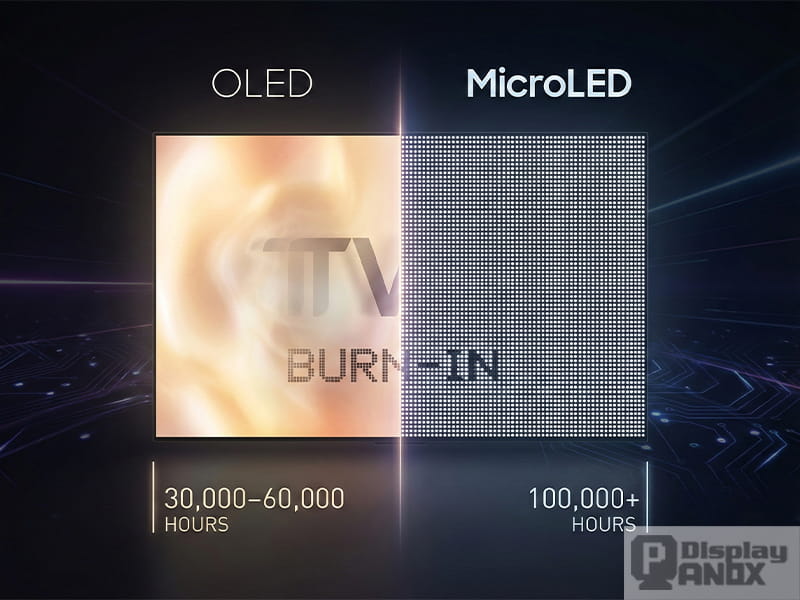
Operational Lifespan: Standard OLED displays typically offer an operational lifespan of 30,000 to 60,000 hours. In contrast, MicroLED technology boasts a theoretical lifespan exceeding 100,000 hours.
-
Burn-in Resistance: "Burn-in," or permanent image retention, occurs in OLEDs when static content (like logos or HUDs) is displayed for extended periods. MicroLED’s inorganic structure is inherently resistant to this effect, making it ideal for always-on displays and commercial signage.
- Brightness Stability:While OLED brightness can fade as the organic material degrades, MicroLED maintains high brightness stability over time, even under intense environmental conditions.
Bridging the Gap: Micro OLED and Technical Innovations
While MicroLED represents the future of longevity, the industry has not stood still. Innovations in Micro OLED (OLED on Silicon) and standard OLED manufacturing have significantly closed the gap, offering viable high-end solutions for today's market.
Enhancing OLED Durability
Modern high-performance displays, such as those found in VR and AR applications, utilize advanced lifespan enhancement techniques:
-
Encapsulation: Improved barrier films protect sensitive organic layers from moisture and oxygen, which are primary accelerators of degradation.
-
Smart Algorithms: Advanced pixel driving circuits now use compensation algorithms. These systems monitor pixel usage and dynamically adjust voltage to maintain uniform brightness, effectively masking aging effects.
-
Thermal Management: Innovations in heat dissipation structures prevent overheating, which is a major cause of premature aging in high-density displays like Micro OLEDs.
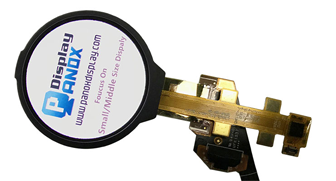
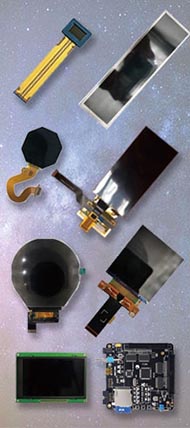
For applications requiring high pixel density, such as Micro OLED displays used in near-eye devices, these advancements ensure that users enjoy a premium visual experience with respectable longevity, bridging the wait until MicroLED becomes mass-market viable.
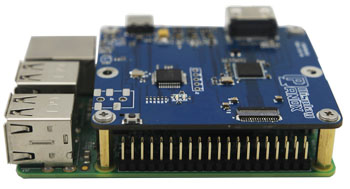
Explore our Micro-OLED display modules and evaluation kits here: [Micro-OLED Products].
The Economic and Environmental Case for Longevity
The shift toward longer-lasting displays is not just about technical specs; it is an economic and environmental imperative.
Sustainable Technology
Electronic waste is a growing global concern. Because MicroLED and advanced Micro OLED devices last longer, they reduce the frequency of device replacement. A display that lasts 100,000 hours significantly lowers the environmental footprint compared to one that requires replacement every few years. Furthermore, MicroLED consumes approximately 30% less power than comparable OLEDs, reducing energy usage throughout the device's life.
Cost-Benefit Analysis
Although MicroLED currently commands a production cost premium of 20-30% over OLED due to manufacturing complexities like mass transfer, the Total Cost of Ownership (TCO) often favors the newer technology.
-
Maintenance: Commercial buyers see a value in paying a premium for displays that do not suffer from burn-in, reducing maintenance and replacement costs.
-
Resale Value: Devices that maintain peak brightness and color accuracy for longer retain higher value.
Conclusion: The Future is Bright (and Long-Lasting)
The display industry is at a pivotal junction. While OLED and Micro OLED remain the go-to choices for current premium applications due to their maturity and superior color reproduction, MicroLED is poised to redefine our expectations of device longevity.
For consumers and businesses alike, the message is clear: the era of worrying about screen burn-in is ending. Whether through the robust inorganic structure of MicroLED or the sophisticated engineering of modern Micro OLEDs, the displays of tomorrow are built to last a decade, not just a contract cycle.
Learn more: Sony Micro OLED (OLEDoS) Explained: Technology, Applications, and AR/VR Advantages
| Panel model | Interface | Type | Size (inch) | Resolution | P.S |
| S032WEM01 | MIPI/RGB | Micro OLED | 0.32 | 800x600 | |
| PMOF039XGAM | RGB | Micro OLED | 0.39 | 1024x768 | Full Color/Monochrome |
| BO039M1920M | MIPI | Micro OLED | 0.39 | 1920x1080 | Highest PPI =5644 |
| EP047M800T | TTL | LCOS | 0.47 | 800x600 | |
| BO049FHPMO | SPI,MIPI | Micro OLED | 0.49 | 1920x1080 | |
| S050M1600M | MIPI | Micro OLED | 0.5 | 1600x1200 | |
| ECX331DB-6 | Mini LVDS | Micro OLED | 0.5 | 1024x768 | |
| S060LDM01 | MIPI | Micro OLED | 0.6 | 1920x1080 | |
| ECX335AF | Mini LVDS | Micro OLED | 0.71 | 1920x1080 | 200 nits brightness version |
| ECX335B | Mini LVDS | Micro OLED | 0.71 | 1920x1080 | 500 nits brightness version |
| ECX335SN | Mini LVDS | Micro OLED | 0.71 | 1920x1080 | 3000 nits brightness version |
| BO071M1920M | MIPI | Micro OLED | 0.71 | 1920x1080 | |
| S072WCM04 | MIPI | Micro OLED | 0.72 | 1920x1080 | |
| S103WAM01 | MIPI | Micro OLED | 1.03 | 2560x2560 |