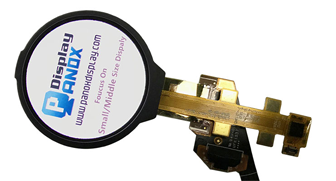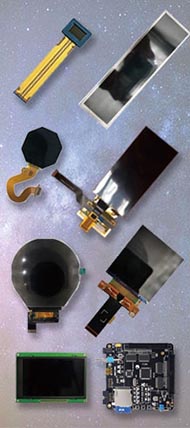




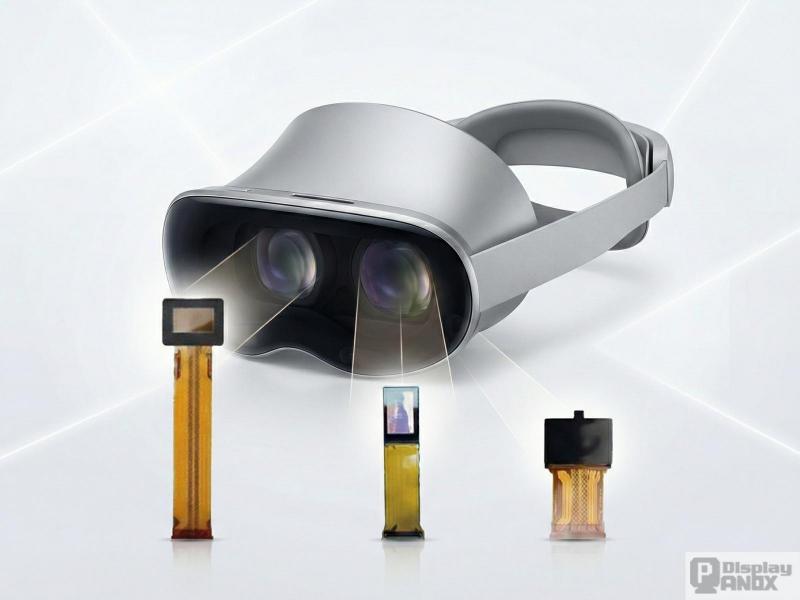
Samsung has reportedly begun mass-producing OLEDoS display panels for Samsung Electronics’ Galaxy XR headset, marking a key step in scaling Micro OLED technology for next-generation AR/XR devices.
According to Korean media, the new OLEDoS panels will be used in Samsung’s Galaxy XR mixed-reality headset. The device, unveiled last month, previously relied on Sony-supplied OLEDoS displays but will now also adopt panels from Samsung Display.
The Galaxy XR features two OLEDoS panels that each support 4K resolution. A notable highlight is that 4K resolution is achieved on a compact 1.3-inch screen, demonstrating the high pixel density and integration level of OLEDoS / Micro OLED microdisplays.
This is the first time Samsung Display has reached mass production for OLEDoS. With companies such as Meta, Apple and Samsung Electronics all actively developing XR hardware, Samsung Display has been preparing for the OLEDoS market in anticipation of strong growth and is now delivering its first commercial batches.
Smart Ring Gestures Hint at New AR/XR Interaction
Code discovered in the latest Galaxy Ring Manager app contains gesture-control strings targeting glasses-type devices. This suggests that Samsung is exploring the use of a smart ring to change how users interact with XR and AR hardware, offering a new direction for human–computer interaction.
From a technology perspective, this concept is considered achievable:
On the hardware side, Galaxy Ring combined with the Galaxy XR’s Snapdragon XR2+ Gen 2 platform can enable low-latency gesture data transmission and processing.
On the software side, Google’s customized Android XR operating system for Samsung already provides multi-device collaboration interfaces, giving ring-based gesture control system-level support.
The reference to “glasses” in the code indicates that this function may not be designed specifically for the current 545-gram Galaxy XR headset, but rather aimed at future, lighter smart glasses. By building up technology first and launching products later, Samsung avoids direct competition in today’s crowded XR headset segment while reserving an interaction advantage for the next generation of AR/XR devices.
Smart Glasses Race Heats Up
Alibaba: Quark AI Glasses
Baidu’s Xiaodu AI Glasses feature a 16-megapixel ultra-wide camera paired with in-house AI stabilization to support first-person shooting. The audio system uses a four-microphone array for sound source recognition and noise suppression, combined with customized open speakers designed to reduce sound leakage, balancing audio clarity with privacy.
Baidu: Xiaodu AI Glasses
As a new class of intelligent terminal that fuses augmented reality, artificial intelligence and mobile connectivity, smart glasses are increasingly viewed as a key interaction gateway after the smartphone. Under this shared vision, major tech companies are accelerating their strategies to seize the initiative in AR and AI platform evolution and avoid falling behind in the future computing race.
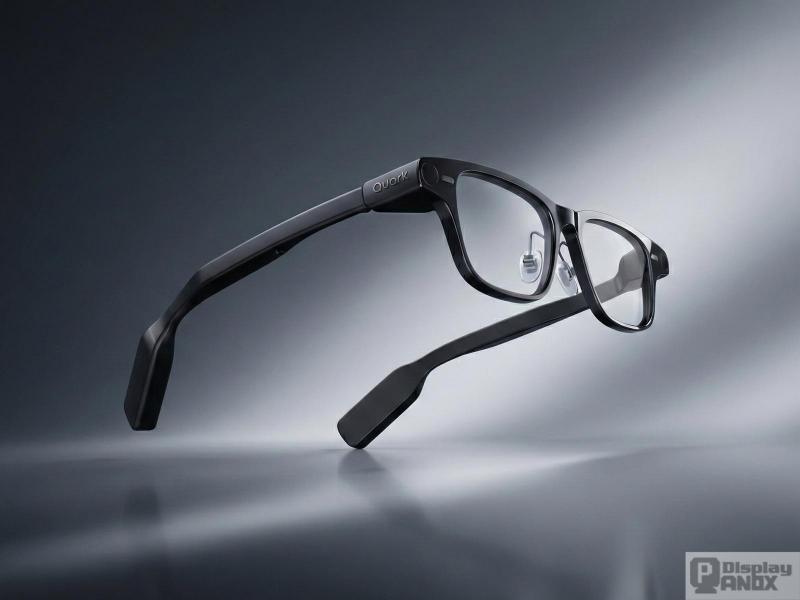
Alibaba’s first in-house flagship dual-display AI glasses, Quark AI Glasses, will be officially launched at a 2025 event scheduled for November 27 at Alibaba’s Beijing Chaoyang campus. The glasses adopt a dual-chip architecture featuring Qualcomm’s Snapdragon AR1 SoC and the BES2800 low-power co-processor from Hengxuan, and are already available for pre-order across major e-commerce platforms.
WiMi Hologram Positions Early for “AI + AR”
WiMi Hologram is emerging as an early mover in smart glasses, leveraging its technology accumulation in holographic display, AI interaction and multi-scenario deployment. The company has built a differentiated advantage in core technology R&D and vertical industry applications and is actively advancing “AI + AR” integration and ecosystem building to deliver new user experiences.
WiMi now offers an end-to-end solution that closes the loop from hardware modules to AI algorithms, covering display, interaction and compute in a unified architecture.
On the ecosystem side, WiMi collaborates with major internet platforms and hardware manufacturers to build out the industry value chain and help push smart glasses from lab prototypes to mass-market products. Through the dual engine of technology supply and ecosystem development, WiMi is deepening its presence in smart wearables—using smart glasses as a bridge between advanced technology and end users.
Outlook: “Hundred-Glasses Battle” Begins
This year is widely seen as the opening round of a “hundred-glasses battle” in the smart glasses market, and the momentum is clearly visible in major shopping festivals such as Double 11.
According to IDC, global smart glasses shipments reached 4.065 million units in the first half of 2025, up 64.2% year-on-year. This growth trend was further unleashed during the Double 11 period, when transaction volume for smart glasses surged 25-fold year-on-year, offering consumers a new wave of high-quality products, experiences and usage scenarios in the AR and XR space.