
Specialist LCD/OLED Supplier
|
|







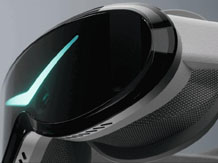
New High-End Micro OLED VR Headset Launches at USD 1900
On December 24, 2024, Pimax held a new product launch event introducing their new generation VR headset, the Dream Air, priced at USD 1,900

RayNeo Air 2s AR Glasses with Sony Micro OLED: 201-Inch Giant Screen Effect
Discover the new RayNeo Air 2s AR glasses featuring a high-resolution 1920x1080 Micro OLED display. Experience vivid colors, exceptional clarity, and smooth visuals with these advanced AR glasses. Perfect for immersive entertainment and detailed work
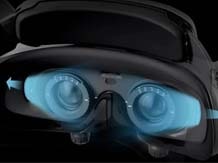
DJI Announces DJI Flight Glasses 3: Equipped with 1080p Micro-OLED Screen
Discover DJI Flight Glasses 3 with a 1080p Micro-OLED screen, and advanced ergonomic design for an immersive aerial experience.
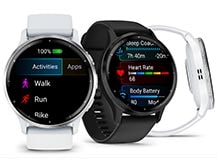
New OLED devices: Garmin Venu 3 Watch (Sports & Fitness Category)
Garmin Venu 3 utilizes a 1.39-inch round OLED display with a resolution of 454x454 pixels. OLED technology enables low power consumption, allowing the Venu 3 watch to function for up to 26 days
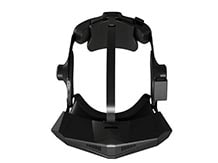
New VR Application: Pimax Crystal by Pie Technology
The Pimax Crystal has the highest clarity of any consumer VR headset available: the first VR headset with glass aspherical lenses (which is why it's named Crysta)
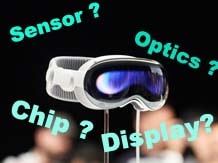
The consumer electronics MR industry: An in-depth report of Apple’s Vision Pro
Detail of components parts of Vision Pro, chips, sensors, displays, camera, Optics. Apple’s Vision Pro is a revolutionary spatial computing device that seamlessly integrates digital content with the real world.
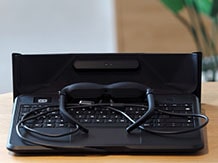
Micro OLED Application: First AR Laptop
Sightful has unveiled what it claims is the world’s first augmented reality (AR) laptop. It use two 1920x1280 micro OLED.
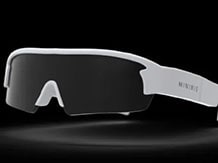
New Micro OLED Application: Minimis Glass
Australian startup Minimis has unveiled an AR glasses designed for fitness tracking, health monitoring and navigation Minimis Glass. It use 0.71 inch Micro OLED with 500 nits brightness.
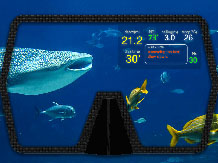
AR Diving Mask With High Brightness Micro OLED
AR diving mask could be the future of all types of divers, AR display on the diving glass will make diving safer. According to feedback from our clients, high brightness is very important for underwater equipment.
Panox Display

Browse Articles by Category
OEM SERVICE
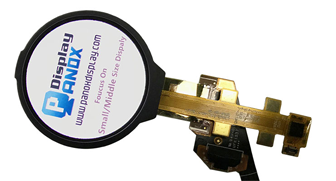
Customized Touch Panel
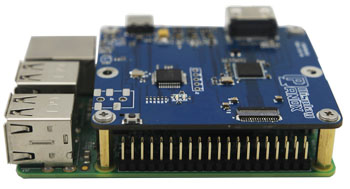
HDMI/Type-C Controller/Driver Board
Custmized LCD/OLED

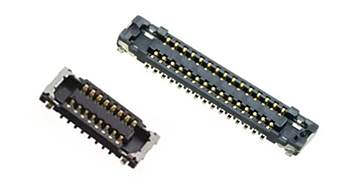
Free Connectors
Find a Display to Fit Your Application
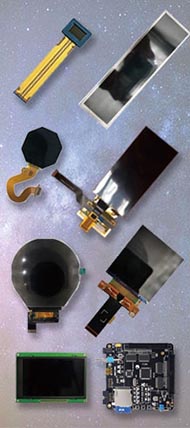
For More OLED/LCD Panels
If our display fit your application, subscrlbe for monthly Insights
Panox Display Professional OLED/LCD Supplier and Manufacturer
- 📍 Shenzhen
- 📞 Phone: 86 755 3396 6409
- 📠 Skype: panoxwesley

If it`s urgent, try to contact
Whatsapp: +86 18665870665
Skype: panoxwesley
QQ: 407417798