



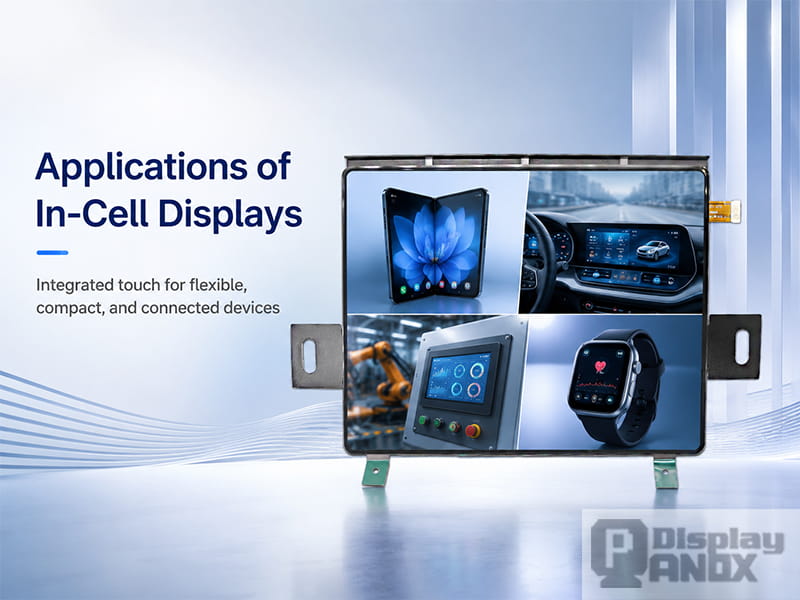
In-Cell display technology is often introduced as a way to make touchscreens thinner. That is true, but it only explains part of its value. In real product development, In-Cell touch is useful because it helps the display, touch sensor, cover glass, FPC layout and mechanical structure work as one compact front module.
For devices that need a thin body, a clean optical path and reliable touch response, this integration can make a visible difference. Smartphones, foldable displays, smartwatches, AR/MR devices, automotive interfaces and industrial terminals all use displays in different ways, yet they share one common pressure: the front module has to become thinner, lighter and easier to integrate.
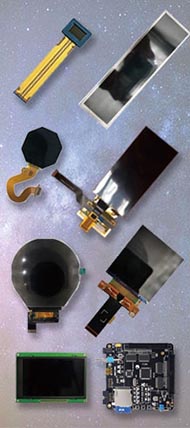
Panox Display’s In-Cell product range reflects this direction, covering flexible AMOLED modules, foldable OLED displays, long-strip touch panels and small round OLED modules for wearable applications. The In-Cell tag page describes In-Cell as a structure that embeds touch functions into the display, reducing touchscreen thickness and making the module lighter and simpler.
Why Application Context Matters
An In-Cell display should be selected according to the product environment, not only by screen size or resolution. A smartwatch cares about compactness and low power. A foldable device cares about bending structure and stack thickness. A vehicle display cares about reliability, visibility and noise immunity. A handheld industrial device may care about cover glass, sunlight readability and stable touch under electrical interference.
The technical reason is simple: integrating touch into the display changes the whole module stack. Synaptics explains that touch sensors were historically added as a separate overlay above the display, while more advanced integration places touch sensors directly into one or more display stack layers. The same white paper notes that separate touch overlays can make the panel stack thicker, dimmer and more expensive, while Full In-Cell designs can reduce interface complexity by using a single FPC for display and touch in smartphone/tablet architectures.
That is why In-Cell technology is especially relevant in applications where space, optical performance and assembly simplicity are important. It is less about a single “best” display type and more about matching the display architecture to the product’s real design constraints.
1. Smartphones and Premium Handheld Devices
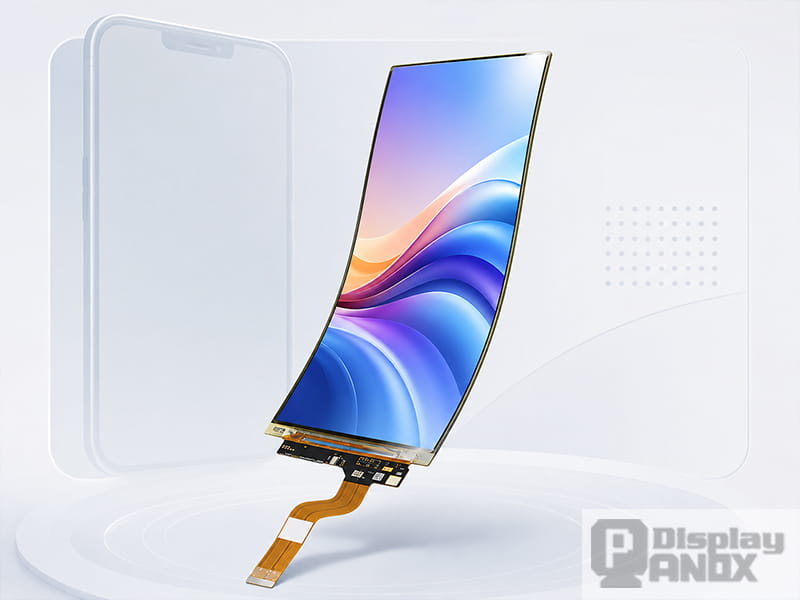
Smartphones are one of the most familiar application areas for In-Cell displays. The device body is thin, the front surface is almost entirely screen, and the touch response has to feel instant. A separate touch sensor layer can add thickness and optical interfaces, while an integrated structure helps keep the module compact.
In mobile products, In-Cell touch can support a slimmer display stack, better light transmission and simpler connection design. Synaptics reported that its In-Cell touchscreen solution for a flagship smartphone integrated touch directly into the LCD display and helped enable thinner, lighter, brighter and more responsive touchscreens.
For flexible AMOLED smartphone projects, the same design logic becomes even more important. Panox’s 6.67-inch flexible AMOLED module is listed with 1080 × 2400 resolution, MIPI interface, 700 cd/m² typical luminance, 80,000:1 contrast ratio, 5.5 g mass and In-Cell PCAP touch. The product page also notes that the display can be bent while working, while the IC area at the bottom should be handled carefully.
The 5.99-inch BOE flexible AMOLED module is another mobile-oriented example, with 1440 × 2880 resolution, MIPI DSI 4-lane interface, 495 cd/m² brightness and a high-contrast AMOLED structure. Panox positions it for smartphones and advanced flexible OLED applications.
For smartphone developers, In-Cell touch is most useful when the design goal is a thin module, high visual quality, tight FPC routing and a front surface that feels integrated rather than assembled from too many separate layers.
2. Foldable and Flexible OLED Devices
Foldable and flexible devices push display integration harder than traditional smartphones. The screen must bend, the module must remain thin, and the touch system has to keep working across a curved or folded area. Adding a separate touch layer can make the stack more difficult to package and may increase mechanical stress.
An In-Cell flexible OLED module helps reduce the number of layers in the active touch/display area. That can make it easier to design foldable prototypes, flexible tablets, dual-form devices and other products that need a display surface to curve or roll in a controlled way.
Panox’s 8.01-inch flexible/foldable OLED is a good example of this category. The module uses an AMOLED panel with integrated In-Cell touch, supports 2480 × 1860 resolution with a 4:3 aspect ratio, and uses MIPI for display and SPI for touch. The product page also notes that Panox provides a curved version using the same cell and that the module is thin, light and readable under sunlight.
This type of display is suitable for foldable device development, mobile prototype evaluation, portable equipment and compact tablet-like products. In these applications, the key question is not only “Can the display bend?” The more important question is whether the display, touch function, connector position and cover structure can survive the final mechanical design.
3. Wearables and Smartwatch Displays
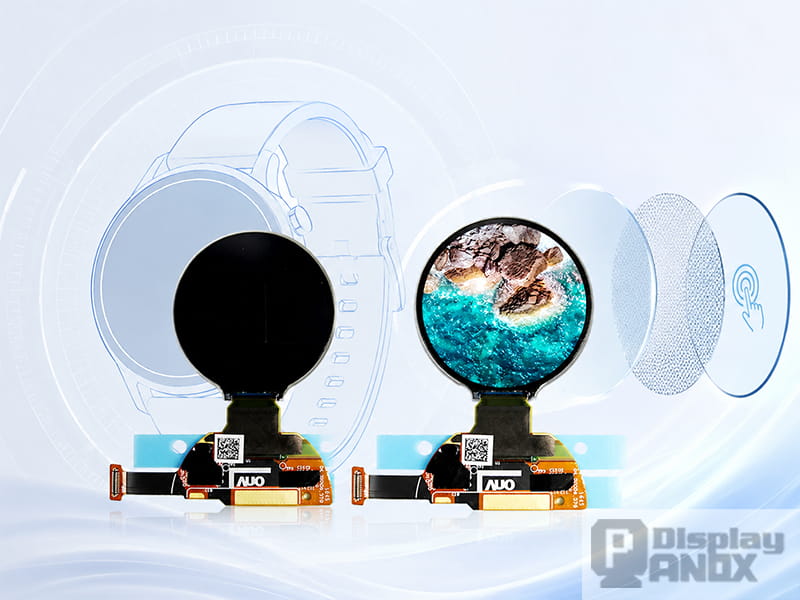
Wearable devices make every millimeter feel expensive. A smartwatch, sports tracker or health monitor has limited internal space for the display, battery, sensors, antenna, waterproof structure and enclosure. A separate touch layer may look small on paper, but inside a wearable product it can affect thickness, comfort and assembly.
In-Cell or integrated touch display modules help wearable designers keep the front module compact. A round AMOLED display can become the visual and interactive center of the device while leaving more room for battery and sensor packaging.
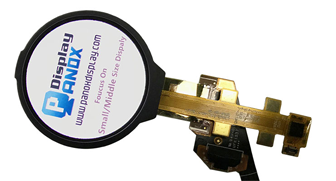
Panox’s 1.2-inch round/circular AMOLED module is designed for smartwatch use, with 390 × 390 resolution, SPI/MIPI interface, AUO panel and a compact circular form. The product description lists applications including smartwatches, vehicles, smart home devices, instruments, industrial devices, security products and dynamic information displays. It also highlights wide operating temperature, sunlight readability, high PPI, thin structure, high contrast, vivid image and low consumption.
For wearable displays, the application value of In-Cell touch is practical: fewer layers, a thinner front module and less mechanical complexity. The final product still needs careful cover glass design, waterproof sealing and firmware tuning, but the display module starts from a more integrated foundation.
4. AR/MR Auxiliary Displays and Compact Visual Interfaces
AR/MR products often need small, bright and high-resolution display modules, but not every display in an AR/MR system is a near-eye microdisplay. Many devices also use auxiliary screens for menus, status feedback, debugging, gesture interaction, external control surfaces or handheld companion modules.
In-Cell displays can be useful in these compact interfaces because they combine visual output and touch input without requiring a bulky separate touch panel. This is especially relevant for flexible OLED and long-strip OLED modules that may be placed along a curved product surface or integrated into a slim controller.
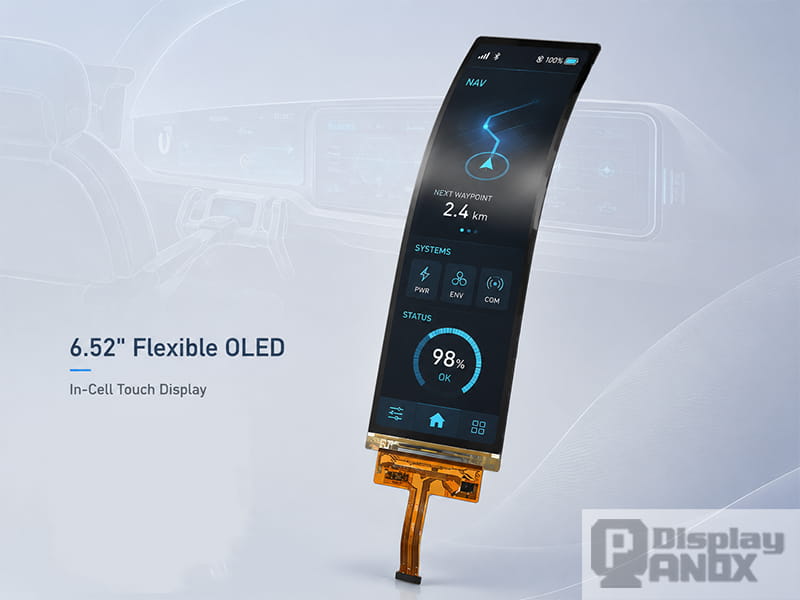
Panox’s 6.52-inch flexible OLED touch panel is listed with 2520 × 840 resolution, a 3:1 aspect ratio, 407 PPI, MIPI interface, 430 cd/m² luminance, 90 Hz refresh rate and In-Cell touch panel. Its product page identifies use cases including smart phone, MR, AR and vehicle applications.
A long-strip In-Cell OLED module can support curved dashboards, device handles, secondary interaction areas or panoramic status displays. The narrow aspect ratio is not a typical phone format, which makes it more interesting for custom product design. In those cases, integrated touch reduces the need to develop a separate touch sensor for an unusual display shape.
5. Automotive Interfaces and Smart Cockpit Displays
Automotive applications have different priorities from consumer electronics. A vehicle display must work under vibration, temperature changes, electrical noise, strong sunlight and long product life requirements. The interface also needs to remain responsive and visually clear because drivers rely on it for navigation, climate control, vehicle status and safety-related information.
Integrated touch and display solutions are increasingly relevant for automotive HMI. Synaptics describes its TouchView Automotive TDDI as a solution that combines touch and display on a single die, optimized for large-format automotive displays and demanding in-vehicle environments. The company also highlights touch-display synchronization for fast, accurate and reliable touch response with improved visual clarity.
For curved cockpit surfaces, center control screens and smart interior interfaces, In-Cell or related integrated touch structures can help reduce stack complexity and support a cleaner front design. The challenge is higher than in consumer electronics: automotive projects must verify EMI, ESD, temperature range, cover lens thickness, optical bonding, glove operation and sunlight readability.
This is where product selection becomes more system-driven. A display with strong resolution and brightness numbers still needs to be validated with the actual vehicle electronics, cover glass, mechanical mounting and grounding design.
6. Industrial and Embedded Touch Displays
Industrial products are not always thin in the same way as smartphones, but they often need robust integration. Handheld terminals, portable testers, medical instruments, small control panels, smart home interfaces and embedded HMIs may all benefit from a display module that already combines image output and touch input.
Panox’s In-Cell/On-Cell solution article notes that flexible AMOLED touch modules are suitable for smart wearables, mobile devices and industrial equipment. It also recommends In-Cell when the application needs the thinnest possible display module with high integration and minimal interface complexity.
For industrial devices, In-Cell touch can reduce front-module part count and simplify procurement. The project still needs application-specific checks: cover glass strength, operating temperature, wet touch, glove touch, EMI, connector reliability and firmware support. If the product needs a very thick protective glass or special touch zones, an external PCAP touch panel may still be a better option. If thinness, optical clarity and a simple integrated module matter more, In-Cell is often worth considering.
7. Product Selection by Application
The table below shows how different In-Cell display modules can match different application directions. It is not a replacement for datasheet review, but it helps narrow the first round of product selection.
| Application direction | Display requirements | Suitable Panox module examples | Why In-Cell matters |
|---|---|---|---|
| Premium smartphone or handheld device | High resolution, slim profile, bright AMOLED image, compact FPC routing | 6.67-inch flexible AMOLED; 5.99-inch flexible AMOLED | Helps keep the front module thin while supporting integrated touch and high visual quality. |
| Foldable or flexible prototype | Bendable OLED structure, thin stack, integrated touch, large active area | 8.01-inch flexible/foldable OLED | Reduces the burden of adding a separate touch layer to a flexible display stack. |
| Wearable and smartwatch product | Compact circular display, low power, high contrast, small interface area | 1.2-inch round AMOLED | Supports compact wearable module design with a thinner front structure. |
| AR/MR auxiliary interface | High PPI, unusual aspect ratio, compact touch input, curved or narrow layout | 6.52-inch flexible OLED 2520 × 840 | Useful for long-strip or curved interfaces where a separate touch panel would complicate assembly. |
| Automotive HMI and smart cockpit | Reliability, visual clarity, touch accuracy, EMI resistance, cover lens integration | Flexible OLED or automotive-grade integrated touch/display solution | Integrated touch/display architectures can support cleaner front design and synchronized touch-display behavior. |
| Industrial embedded HMI | Stable touch, durable cover glass, easy integration, sample-to-prototype support | In-Cell AMOLED or flexible OLED modules with controller support | Reduces touch module complexity and helps shorten development from sample testing to product design. |
Touch Performance Still Needs System-Level Testing
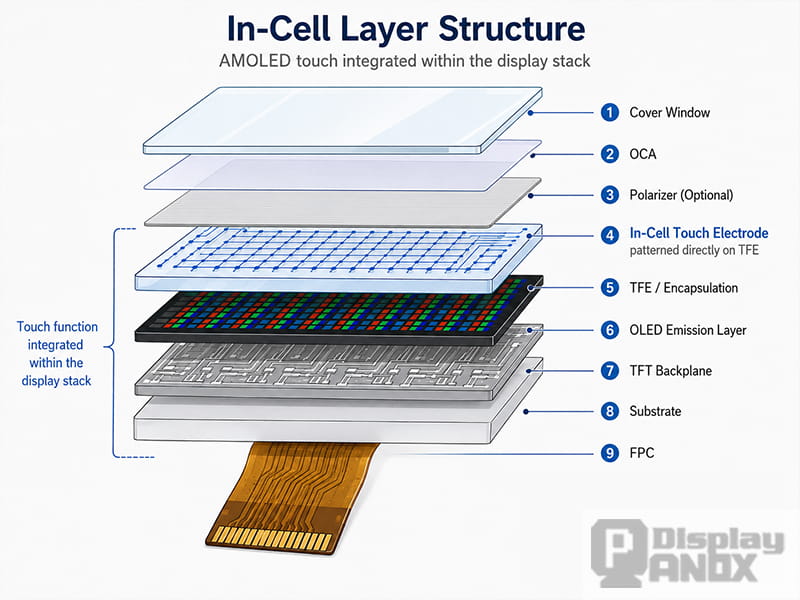
In-Cell integration brings touch closer to the display electronics. This is useful for thickness and optical design, but it also means touch sensing and display driving must be coordinated carefully. Display noise, parasitic capacitance, grounding, cover glass, FPC routing and firmware all influence the final touch experience.
Research on high-refresh-rate AMOLED touch systems shows why this matters. A 2021 Micromachines paper explains that in 120 Hz high-refresh-rate AMOLED panels, pixel updates can amplify display noise on touch screen panel electrodes, and the proposed architecture mitigates the issue by synchronizing touch and AMOLED pixel driving.
Synaptics also discusses display-induced noise in smartphones and tablets, noting that noise can interfere with touch sensing and lead to missed touches or ghost touches if not properly mitigated. Its TDsync approach coordinates touch sensing and display updating so sensing occurs when the display is idle.
For buyers, this means In-Cell display selection should go beyond the product title. The sample should be tested with the actual cover glass, enclosure, charger, main board, grounding structure and operating environment. A display that performs well on a demo board still needs validation inside the final product.
Application Checklist Before Choosing an In-Cell Display
Before selecting an In-Cell display module, start with the application rather than the panel size.
For a smartphone or handheld device, check brightness, color performance, connector position, cover glass thickness and software support. For a foldable or curved product, confirm bending direction, bending area, IC location, FPC stress and cover material. For a wearable, check power consumption, round or custom shape support, sealing structure and interface compatibility. For automotive or industrial devices, test EMI, ESD, temperature range, glove touch, wet touch and sunlight readability.
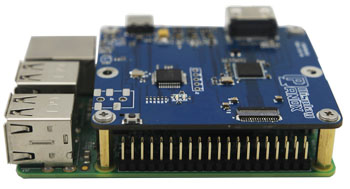
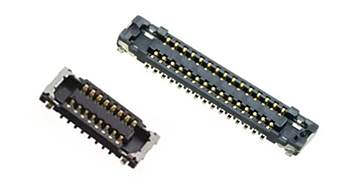
It is also important to check whether the touch interface is routed through SPI, I²C, shared FPC or a separate path. Panox’s 8.01-inch flexible/foldable OLED, for example, uses MIPI for display and SPI for touch, while other modules may use different touch routing depending on the panel and controller design.
The cover glass decision should come early. In-Cell touch reduces the need for a separate touch sensor, but the cover lens still affects sensitivity and user experience. Thickness, coating, black border printing, curved edges, bonding quality and grounding all matter.
Conclusion
In-Cell displays are used where product teams need a thinner, cleaner and more integrated touch display module. Smartphones use them to save space and improve the front display stack. Foldable devices use them to reduce layer complexity. Wearables use them to keep the module compact. AR/MR and long-strip interfaces use them to support unusual shapes. Automotive and industrial devices use integrated touch/display concepts to improve design integration, visual clarity and user interaction.
The best application for In-Cell technology is not defined by one screen size. It is defined by a design problem: limited space, high visual expectations, touch interaction and a need for simpler integration. When those conditions appear together, an In-Cell display becomes more than a display choice. It becomes part of the product architecture.
Panox Display supplies small and medium-size OLED/LCD modules, including flexible AMOLED, foldable OLED, round wearable OLED and long-strip In-Cell touch display options. For product developers, the next step is to match the display module with the real application environment: cover glass, bending structure, touch interface, controller board, firmware and mechanical design.
Learn more: Why Is In-Cell Touch Important for Flexible OLED Displays?