
Specialist LCD/OLED Supplier
|
|






Verification Code*

Knowledge
2026-03-20 14:45:57
How Bright Does Micro OLED Need to Be for AR/VR? Understanding the 1000–3000 Nits Range
How bright does a Micro OLED really need to be for AR/VR? This article explains what the 1000–3000 nits range means in real applications, and why brightness must be evaluated together with contrast, optical efficiency, power consumption, and viewing environment.
2026-03-20 10:00:36
Micro OLED vs Micro LED for AR/VR: Key Differences and Which Technology Wins in 2026
Micro OLED and Micro LED are two of the most discussed near-eye display technologies in 2026. This article compares their differences in brightness, pixel density, contrast, manufacturing maturity, and AR/VR suitability, and explains why Micro OLED remains the more practical choice for many premium XR projects today.
2026-03-19 16:19:07
AMOLED for Smartwatch & Wearables: Why It Remains the Best Display Choice in 2026
Explore why AMOLED remains the leading display choice for smartwatches and wearables in 2026, from always-on display and outdoor readability to battery efficiency, premium design, and health-focused user experience.
2026-03-19 14:23:33
AMOLED Power Consumption & Battery Life: What Really Affects Battery Performance?
AMOLED battery life is not just about display type. It depends on brightness, dark mode, content type, refresh rate, and panel design. This article explains how AMOLED power consumption works, when it can save more battery than LCD, and what product teams should consider when choosing a power-efficient display solution.
2026-03-19 10:16:24
AMOLED vs LCD for Gaming Monitors in 2026: Which Gaming Display Is Better?
AMOLED vs LCD for gaming monitors is no longer a simple premium-versus-budget debate. This guide compares contrast, response time, HDR, brightness, burn-in risk, and real-world gaming experience to help players choose the right gaming display in 2026.
2026-03-18 15:25:38
Tandem OLED Technology 2026: How Stacked Architecture Enables Brighter, Longer-Lasting Displays
Tandem OLED is emerging as one of the most important display technologies in 2026. By using a stacked architecture, it helps deliver higher brightness, better power efficiency, and longer display life than traditional single-stack OLED, making it highly relevant for tablets, laptops, automotive displays, and premium monitors.
2026-03-18 14:18:22
2026 AI Glasses Display Solutions: How Micro OLED Powers Next-Gen Smart Glasses
Explore why Micro OLED is becoming a key display solution for next-generation AI smart glasses in 2026, from sharp text rendering and high contrast to compact near-eye integration.
2026-03-16 15:56:36
2026 Automotive Center Display Trends: Why Flexible OLED Is Becoming the New Standard for Smart Cockpits
An in-depth look at 2026 automotive center display trends, explaining why Flexible OLED is becoming a key technology for smart cockpits. The article covers display technology comparisons, core in-car application scenarios, automotive-grade technical requirements, market trends, and sourcing guidance for brands developing next-generation cockpit display solutions.
2026-03-16 14:37:33
How to Choose the Right Display Solution for AI Glasses in 2026: Why Micro OLED Is Becoming the Mainstream Choice
AI glasses are moving fast in 2026, but choosing the right display solution is still one of the hardest product decisions. This article explains the differences between Micro OLED, Micro LED, LCoS, DLP, and LBS, and shows why Micro OLED is becoming the mainstream choice for many AI glasses with display.
Panox Display

Browse Articles by Category
OEM SERVICE
Customized Touch Panel
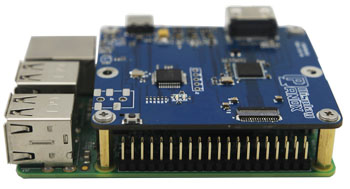
HDMI/Type-C Controller/Driver Board
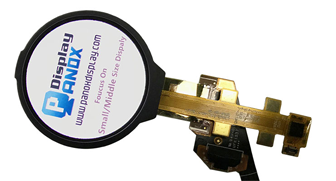
Custmized LCD/OLED
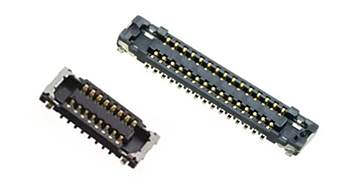
Free Connectors
Find a Display to Fit Your Application
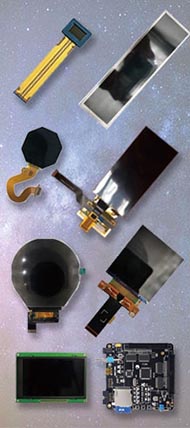
For More OLED/LCD Panels
Get the Latest Displays
If our display fit your application, subscrlbe for monthly Insights
Panox Display Professional OLED/LCD Supplier and Manufacturer
- 📍 Shenzhen
- 📞 Phone: 86 755 3396 6409
- 📠 Skype: panoxwesley
COPYRIGHT © 2015-2025 Panox Electronics Co.,Ltd. ONE-STOP DISPLAY SYSTEM SOLUTION

We got your inquiry and will contact you within one work day.
If it`s urgent, try to contact
Whatsapp: +86 18665870665
Skype: panoxwesley
QQ: 407417798
If it`s urgent, try to contact
Whatsapp: +86 18665870665
Skype: panoxwesley
QQ: 407417798