



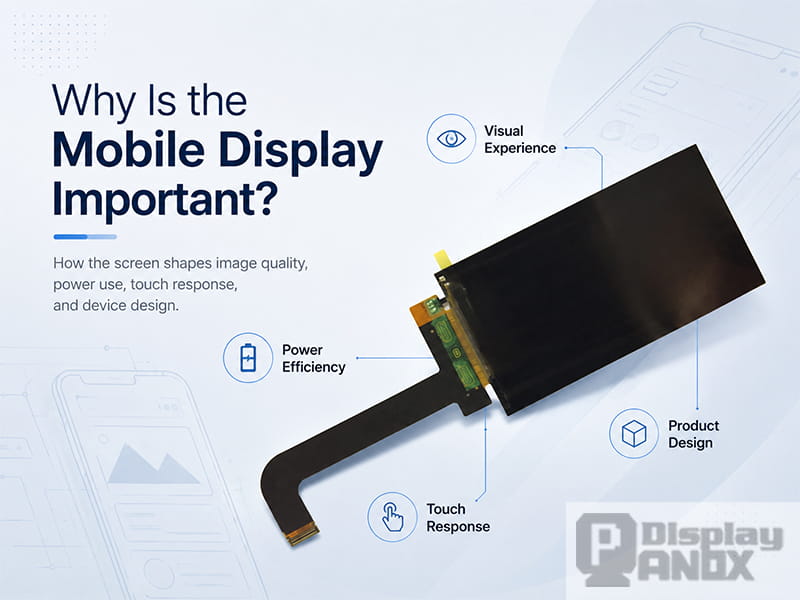
In any smartphone, handheld terminal, portable controller, or compact smart device, the display is the part users see, touch, judge, and rely on every day. A processor can be powerful, a camera can be advanced, and the software can be well designed, but the product still feels weak if the screen is dim, slow, reflective, fragile, or poorly matched to the device structure.
That is why the mobile display is one of the most important decisions in product development. It affects the visual impression of the product, the way users interact with the interface, the battery life, the mechanical design, and even the difficulty of hardware integration.
For display buyers and product engineers, “mobile display” should not be treated as a simple size selection. A good mobilephone display panel has to balance resolution, brightness, contrast, refresh rate, touch structure, interface, FPC position, thickness, flexibility, and supply stability. The right panel helps the product feel premium and reliable. The wrong panel can create problems that are expensive to fix later.
1. The Display Defines the First User Impression
The screen is usually the first part of a mobile device that users notice. Before they test performance or understand the product’s internal hardware, they react to brightness, color, sharpness, contrast, and viewing angle.
This is especially true for smartphone-like products and handheld devices used for maps, control interfaces, gaming, medical equipment, industrial inspection, and smart terminals. In these applications, the display is not just a visual output part. It becomes the main communication surface between the device and the user.
AMOLED and OLED mobile displays are widely used in premium devices because each pixel emits light by itself. This allows strong contrast, deep black levels, fast response, and a thinner structure compared with many traditional backlit display designs. For mobile products that need a modern visual experience, this difference can be immediately visible.
2. Mobile Displays Directly Affect Battery Life
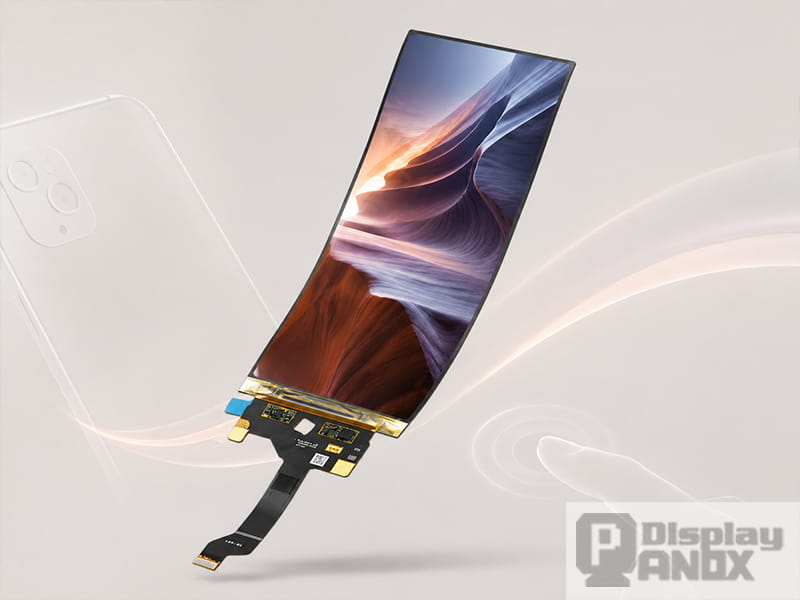
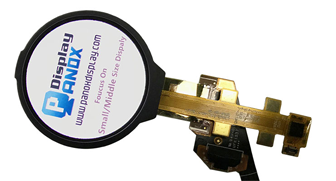
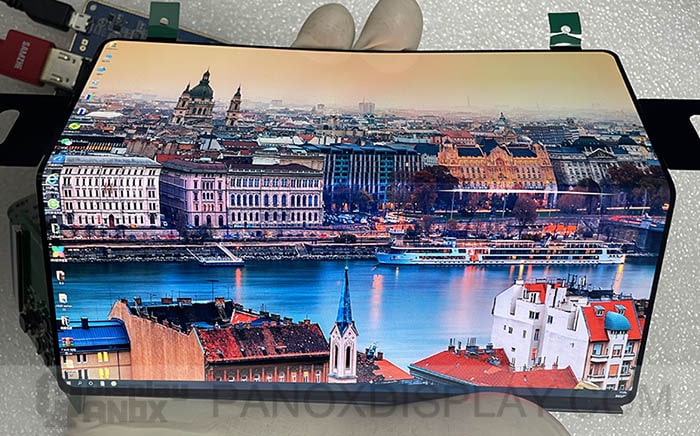
6.67inch Flexible AMOLED 2K for Smartphone
Battery life is one of the most practical reasons why mobile display selection matters. The display often becomes one of the major power-consuming parts in a mobile device, especially when brightness is high or the product is used outdoors for long periods.
For AMOLED screens, power consumption is closely related to the displayed content. Research on smartphone AMOLED power behavior shows that AMOLED screen power is highly content dependent, meaning that image brightness, color composition, and screen content can change real power use. Bright white pages and high-luminance UI designs usually consume more power than darker interfaces.
This does not mean AMOLED automatically saves power in every situation. It means the display technology, UI color strategy, brightness setting, and usage environment should be considered together. A mobile device used mainly indoors may have a very different power profile from a handheld outdoor terminal that stays at high brightness all day.
For product development, this makes the display choice part of the battery strategy. Panel luminance, refresh rate, content style, and thermal design all need to be evaluated before mass production.
3. Outdoor Readability Depends on More Than Brightness
A mobile display may look excellent indoors and still become hard to read outside. Outdoor readability is affected by brightness, surface reflection, contrast, viewing angle, cover glass, optical bonding, and ambient light.
Academic research on ambient contrast ratio for LCD and OLED displays emphasizes that readability in bright environments depends on how the display performs under ambient light, not only on its dark-room contrast value. The study specifically discusses mobile displays as one of the key application areas.
In practical terms, this means buyers should not choose a mobile display based on luminance alone. A higher-nit panel can help, but reflection control is also important. Cover glass treatment, anti-reflective coating, optical bonding, and UI color design can all improve real-world visibility.
For smartphones, portable GPS devices, handheld game consoles, outdoor controllers, and industrial terminals, outdoor readability can become a core user experience factor. A screen that cannot be read under sunlight makes the device feel unreliable, even if the internal hardware is strong.
4. Touch Response Changes the Feeling of the Whole Device
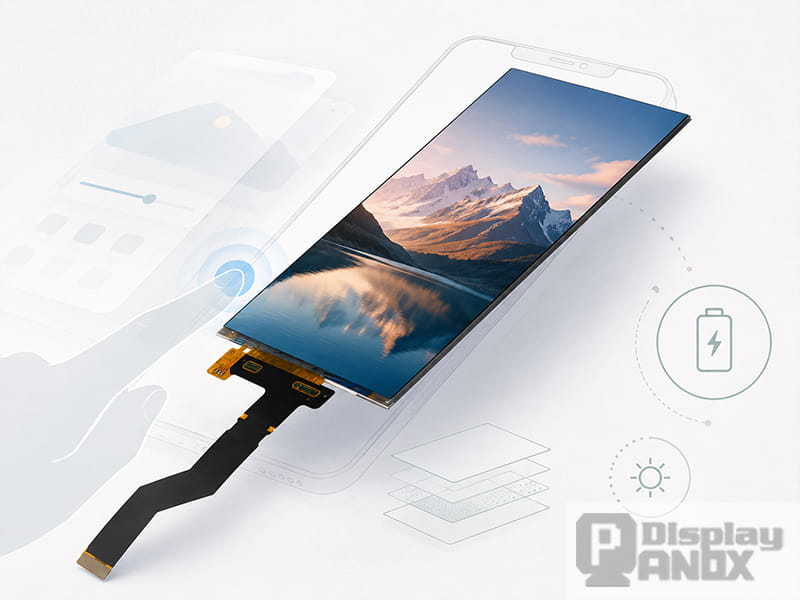
6.0 inch LCD For Cellphone/3D Printing
For mobile products, the display is usually also the touch interface. When users swipe, scroll, tap, draw, or control a device, they expect the visual response to feel immediate.
Research on direct-touch interaction shows that touchscreen latency affects user performance and perception. In touch-based systems, delay between finger movement and visual feedback can make the interface feel less responsive, especially in tasks involving dragging, drawing, or fast interaction.
This is why touch structure matters. In-cell and on-cell touch displays can help reduce module complexity and support slim product design. A well-integrated touch display can improve the feeling of precision, while poor touch response can make even a high-resolution screen feel cheap.
For mobile display projects, engineers should check not only the display panel, but also the touch IC, cover glass, bonding method, signal interface, firmware, and controller support. The final touch experience is created by the full system.
5. The Display Influences Mechanical Design
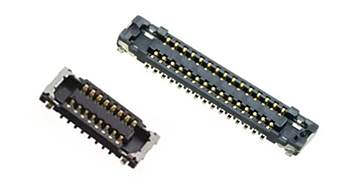
A mobile display panel also affects the physical shape of the final product. Thickness, active area, border design, FPC position, connector type, IC location, and bending limitations all influence the device structure.
Flexible OLED makes this especially important. A flexible display can support curved surfaces, edge designs, special aspect ratios, and thinner product concepts. However, it also requires careful mechanical planning. The bending direction, bending radius, adhesive design, support structure, and FPC routing must be considered early.
For example, a flexible mobile display may be suitable for curved handheld devices, special-shaped control panels, smart wearable concepts, or custom mobile terminals. A standard rigid panel may be enough for a flat rectangular device, while a Flexible/Bendable OLED panel gives designers more freedom when the product form is part of the selling point.
This is one reason display selection should happen early in product development. If the housing is designed before the display is confirmed, the project may later face problems with fit, connector position, cover glass, or touch panel alignment.
6. Interface Choice Affects Development Difficulty
Most modern mobile display panels use high-speed interfaces such as MIPI. The MIPI Display Serial Interface defines a high-speed serial connection between a host processor and a display module, helping support high performance, low power, low EMI, and reduced pin count.
For product engineers, this matters because the display panel cannot be selected separately from the mainboard. The processor, bridge IC, signal output, connector, power sequence, initialization code, and driver support all need to match.
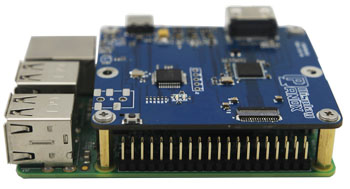
During early development, a suitable controller board can help engineers test the display before the final mainboard is ready. For production, the system design usually needs a stable MIPI solution, correct timing, and reliable touch integration.
A display with excellent optical performance can still slow down a project if the interface and driver support are unclear. This is why datasheets, initialization code, interface documents, and engineering support are valuable when choosing a mobile display supplier.
7. Refresh Rate and Motion Quality Matter for Modern Devices
Mobile users are now more sensitive to motion quality than before. Scrolling, gaming, camera preview, gesture control, video playback, and map navigation all benefit from smooth screen updates.
A 60 Hz display may be enough for many standard products, but high-refresh AMOLED panels can improve the experience in gaming handhelds, premium controllers, and interactive devices. At the same time, higher refresh rates can increase power demand, so the product needs to balance smoothness with battery life.
Recent research on LTPO AMOLED and variable refresh rate technologies shows that AMOLED driving schemes continue to evolve toward better power control and image quality. Variable refresh rate allows the display system to use different refresh rates depending on content, which can help reduce unnecessary power use during static scenes while keeping high refresh performance for fast motion.
For mobile display buyers, the key point is simple: refresh rate should match the application. A handheld gaming product, a portable monitoring device, and a basic control terminal do not need the same display configuration.
8. Mobile Display Selection Affects Product Positioning
A display panel also sends a message about the product’s market level. A bright AMOLED screen with high contrast and slim structure can make a product feel premium. A flexible OLED panel can make a device feel more advanced or design-driven. A high-refresh display can suggest performance and responsiveness.
This is why display selection is not only an engineering decision. It also affects branding, product value, customer perception, and competitive positioning.
For B2B display buyers, the best choice is usually not the most expensive panel or the highest specification on paper. The best choice is the panel that fits the product’s real use case, mechanical structure, target price, development schedule, and long-term supply plan.
9. Panox Display Mobile Display Options for Different Design Needs
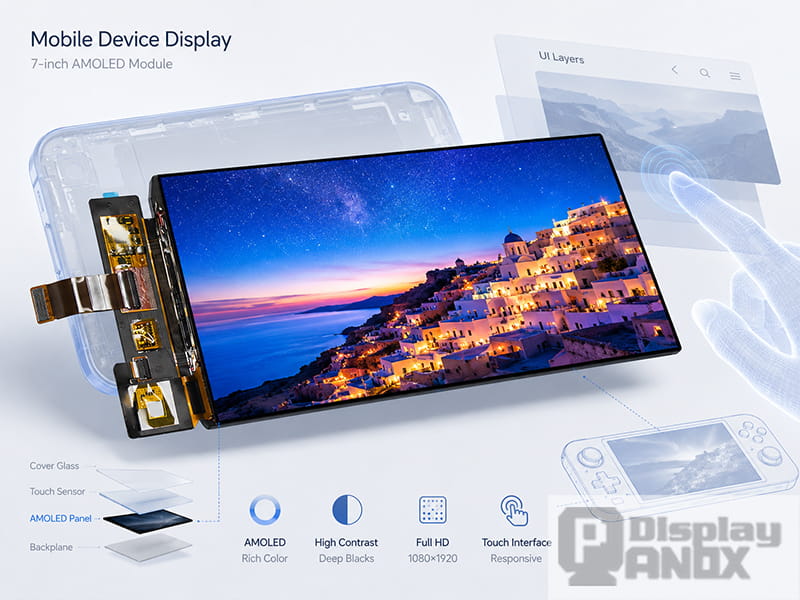
7 inch AMOLED OLED 1920X1080 Mipi
Panox Display provides mobilephone display panels for smartphone-like products, handheld devices, portable terminals, gaming devices, and custom mobile electronics. The following models are especially useful for mobile display projects that need OLED or AMOLED performance.
| Product | Key Features | Best Fit |
|---|---|---|
| 6.52 inch Flexible OLED 2520×840 Touch Panel | Flexible OLED structure, 2520×840 resolution, 407 PPI, 3:1 aspect ratio, MIPI interface, 430 cd/m² luminance | Curved mobile designs, special aspect-ratio interfaces, custom handheld devices, flexible display concepts |
| 6.67 inch Flexible AMOLED 2K for Smartphone | 1080×2400 resolution, 394 PPI, MIPI interface, 700 cd/m² luminance, flexible OLED structure | Smartphone-style projects, slim mobile terminals, curved handheld devices, premium full-screen designs |
| 7 inch AMOLED OLED 1920×1080 MIPI | 1080×1920 FHD resolution, 315 PPI, 800 cd/m² luminance, 100000:1 contrast ratio, MIPI interface | Large mobile screens, handheld game consoles, portable GPS devices, high-contrast touch display applications |
These three options show different mobile display directions. The 6.52 inch flexible OLED is suitable for special curved or long-format designs. The 6.67 inch flexible AMOLED is closer to a modern smartphone display format. The 7 inch AMOLED is a stronger choice when the product needs a larger display area, vivid color, and high visibility.
10. How to Choose the Right Mobile Display Panel
When selecting a mobile display panel, start with the application rather than the display size alone. A smartphone-style product usually needs a slim AMOLED or flexible AMOLED panel with high pixel density, integrated touch, and MIPI interface. A handheld game console may need a larger screen, higher refresh rate, strong color, and low-latency touch. An outdoor terminal may need higher luminance, stronger cover glass, good reflection control, and stable operation under changing light.
The next step is checking mechanical compatibility. Confirm the active area, outline dimensions, FPC direction, connector position, touch structure, cover glass plan, and mounting method. These details decide whether the display can actually fit into the product.
Then check development support. A useful display solution should provide more than a panel photo. Datasheets, drawings, interface details, power sequence information, touch support, and controller board options can reduce risk during development.
Finally, consider supply and customization. Mobile display projects often need cover glass customization, touch panel adjustment, optical bonding, connector matching, or driver board support. Choosing a supplier that understands both panel sourcing and integration can save time later.
11. Why the Mobile Display Matters More Than It Looks
A mobile display may look like one component in the BOM, but it affects almost every part of the final product. It changes how the device looks, how it feels, how much power it uses, how easy it is to read outdoors, how the housing is designed, and how quickly the development team can bring the product to market.
For customers, the screen is the product experience. For engineers, it is a technical system. For brands, it is part of the product identity.
That is why choosing a suitable mobile display panel should be treated as a core design decision, not a late-stage purchasing task.
Conclusion
The mobile display is one of the most important parts of any smartphone, handheld terminal, portable controller, or compact smart device. It decides how the product looks, how users interact with it, how readable it is outdoors, how much energy it needs, and how easily it can be integrated into the final design.
For projects that need a compact, high-quality display, Panox Display offers mobilephone display panel options including flexible OLED, flexible AMOLED, and 7 inch AMOLED display modules. With the right panel and proper technical support, a mobile device can achieve better visual quality, smoother interaction, and a more reliable user experience.
Learn more: Mobile Display: What It Is and How to Choose a Mobilephone Display Panel
FAQs:
Why is the mobile display important?
The mobile display is important because it controls the main visual and touch experience of a device. It affects image quality, power consumption, outdoor readability, touch response, mechanical design, and user perception.
Is AMOLED better for mobile devices?
AMOLED is often preferred for premium mobile devices because it offers high contrast, deep blacks, fast response, slim structure, and vivid color. However, the best choice depends on brightness needs, power strategy, cost target, and application.
Does a higher resolution always mean a better mobile display?
Higher resolution can improve sharpness, but it is not the only factor. Brightness, contrast, color, refresh rate, touch response, power consumption, and mechanical compatibility are also important.
Why is MIPI common in mobile display panels?
MIPI is common because it supports high-speed display data transmission between a host processor and a display module, while helping reduce pin count, power consumption, and EMI in compact devices.
What should I check before buying a mobilephone display panel?
Check size, resolution, brightness, interface, touch structure, active area, outline dimensions, FPC direction, connector type, operating environment, and available technical support.