
Specialist LCD/OLED Supplier
|
|






low-consumption display panel
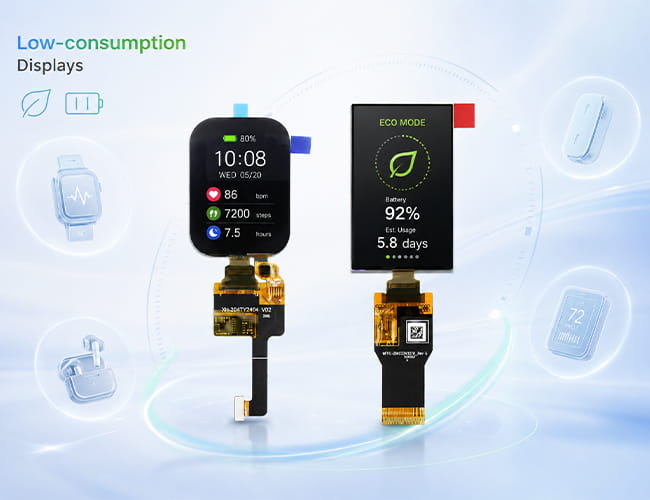
What Does “Low Consumption Display” Mean?
A low consumption display is a screen solution designed to reduce power use during real operation. Its power performance depends on more than the panel itself, including brightness, screen content, refresh rate, driver design, standby mode, and user interface behavior. The best low consumption display should match the device’s actual usage, whether it shows simple static data, a vivid color interface, or always-on information.-
Size(inch)
- 0.39~1.0
- 1.0~1.9
- 2.0~2.9
- 3.0~3.9
- 4.0~4.9
- 5.0~5.9
- 6.0~6.9
- 7.0~7.9
- 8.0~9.9
- 10~20
-
Interface
- I2C
- SPI
- Parallal
- MCU
- CPU
- RGB
- MIPI
- LVDS
- eDP
- HDMI
-
Display Color
- Monochrome
- Double Color
- Full Color
-
Orientation
- Landscape
- Portrait
| Model | Size | Display Type | Resolution | Interface | Display Brand | Image | ||||||||||
|---|---|---|---|---|---|---|---|---|---|---|---|---|---|---|---|---|
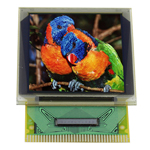
1.77 inch Full Color OLED Display
|
1.77 | PMOLED | 160(RGB)×128 | SPI,Parallal | Ritdisplay |
|
||||||||||
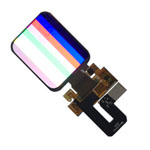
1.78 inch OLED On-cell PACP TP For Wearable Smart Watch
|
1.78 | AMOLED | 368 RGB X 448 | SPI,MIPI | EDO |
|
||||||||||
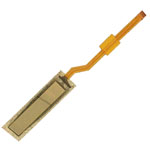
1.8 inch Flexible PMOLED For Wearable Bracelet
|
1.8 | PMOLED | 160×32 | SPI | Futaba |
|
||||||||||
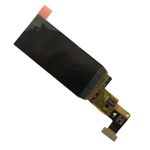
1.91 inch OLED For Wearable Smartwatch
|
1.91 | AMOLED | 240(RGB)x536 | MIPI | EDO |
|
||||||||||
/2inchOLEDico.jpg)
2.04 inch AM-OLED Full Color On-cell PCAP Touch
|
2.04 inch | AMOLED | 368x448 | SPI | Truly |
|
||||||||||
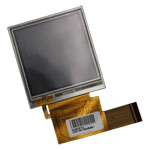
2.2 inch LCD Transflective For Handheld
|
2.2 | TFT-LCD | 320(RGB)×320 | RGB | LG |
|
||||||||||
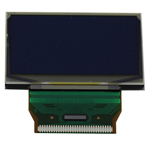
2.23 inch PMOLED SPI/I2C For Instrument
|
2.23 | PMOLED | 128×32 | I2C,SPI,Parallal | WiseChip |
|
||||||||||
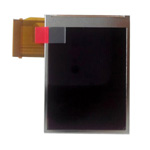
2.4 inch OLED For Handheld/Wearable
|
2.4 | AMOLED | 240(RGB)×320 , QVGA | SPI,Parallal,RGB | CMEL |
|
||||||||||
|
2.4 inch Graphic OLED Display For Instrument
|
2.4 | PMOLED | 128×64 | I2C,SPI,Parallal | Ritdisplay |
|
||||||||||
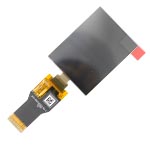
2.4 inch Color OLED 450x600 MIPI SPI MCU
|
2.4 inch | AMOLED | 450x600 | SPI,MCU,MIPI | BOE |
|
||||||||||
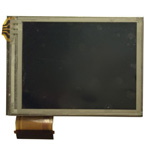
2.6 inch OLED RGB MCU Interface For Handheld
|
2.6 | AMOLED | 240(RGB)×320 , QVGA | SPI,RGB | Samsung |
|
||||||||||
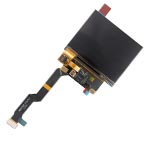
2.7 inch Full Color OLED Display 1ms Response Time MIPI DSI 2 Lanes
|
2.69 | OLED , AM-OLED | 800x600 | MIPI | BOE |
|
Why Low Consumption Matters for Portable Electronics
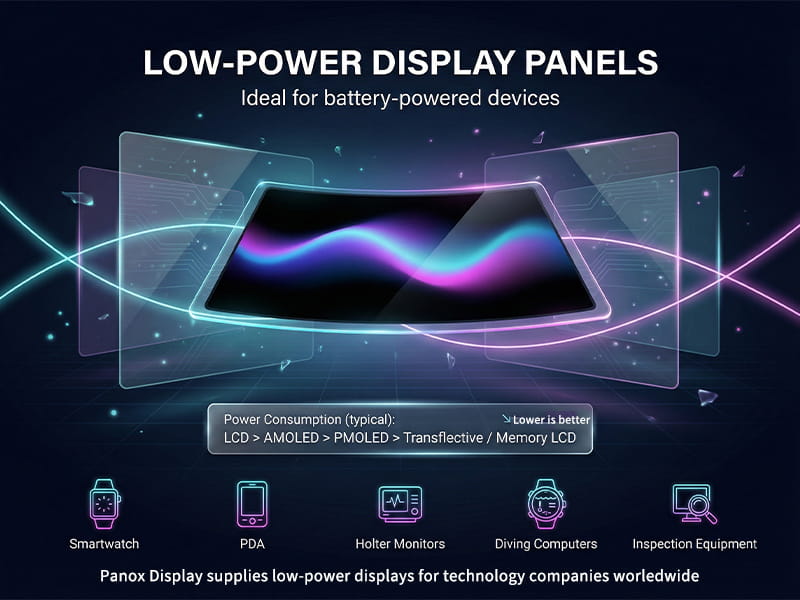
For battery-powered products, display power directly affects runtime, heat, product size, and user experience. A more efficient display can help reduce charging frequency, support thinner product design, and keep important information visible for longer periods.
This is especially important for smartwatches, medical monitors, handheld instruments, outdoor devices, and compact smart products where battery space is limited. Regarding the display consumption, LCD>AMOLED>PMOLED>Transflective display(or Memory LCD).
Common Applications for Low Consumption Displays
Low-consumption displays are commonly used in wearable devices, health monitoring products, diving computers, PDA devices, inspection equipment, IoT terminals, e-cigarettes, AR/VR viewers, FPV systems, and portable industrial electronics.
Different applications need different display solutions. A smartwatch may need a vivid full-color OLED interface, while an outdoor instrument may need sunlight readability and long standby time. A compact indicator may only need a small PMOLED screen, while AR or FPV products may require high-density Micro OLED displays.
Explore Low Consumption Display Solutions from Panox Display
Panox Display provides low-consumption display panels for wearable devices, medical electronics, outdoor instruments, handheld equipment, AR/VR systems, smart devices, and compact embedded products.
Browse our low-consumption display selection to find suitable OLED, PMOLED, Micro OLED, Memory LCD, TFT-LCD, and Flexible OLED solutions for your next project.
More About Low Consumption Display
Low Consumption Displays Explained: AMOLED and Memory LCD for Battery-Powered Devices
Why Low Consumption Displays Matter for Wearables, Medical Devices, and Outdoor Electronics
Low Consumption Display Applications: Choosing the Right Screen for Battery-Powered Products
Customized Service
It`s just a beginning to get display panels from us, then clients need to solve cover glass/touch panel, driving board, connectors on PCB.Fortunately Panox Display provide complete display solutions.
Connectors
Panox Display provides free connectors for clients who purchase more than five products from us. Our product range includes connectors from Molex, Kyocera, AXE, AXG, JAE, Hiros, and more.
Cover Glass/Touch Panels
Panox Display provides a customized cover glass/touch panel service. We supply cover glass from Gorilla, AGC, and Panda, which all have excellent optical performance. We also supply driver ICs from Goodix and Focaltech.
Controller/Driver Boards
If your applications are directly connected to a PC, a cellphone, or Raspberry Pi, and you have enough space to insert a board to input video, Panox Display can provide customized Controller/Driver boards with input connections for VGA, HDMI, DVI, DP, Type-C video input, MIPI, RGB, LVDS, and eDP.
The functions of our boards include, but are not limited to, adjustment of brightness, sound output, touch interface, extra data transmission, and gyroscope.
If our display fit your application, subscrlbe for monthly Insights
Panox Display Professional OLED/LCD Supplier and Manufacturer
- 📍 Shenzhen
- 📞 Phone: 86 755 3396 6409
- 📠 Skype: panoxwesley

If it`s urgent, try to contact
Whatsapp: +86 18665870665
Skype: panoxwesley
QQ: 407417798